An afternoon with Zambian entrepreneurs at Bongohive
mark_kamau1

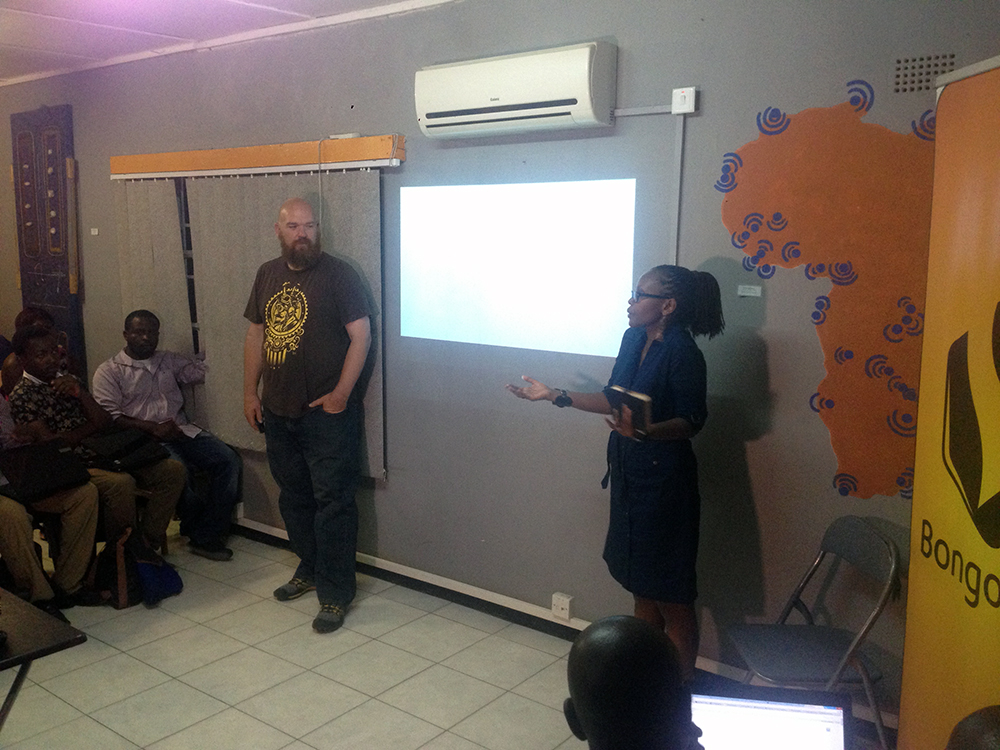
We spend the afternoon at BongoHive today interacting with the tech community in Zambia.

Who was there?

We had product based start ups, some service based start ups, education based programs, some designers and developers. It was cool to meet these young entrepreneurs thinking of hardware

DEMONSTRATING THE BRCK

First Reg Orton and Phil Walton from the BRCK spent some time demonstrating and talking to the community about the BRCK. They spend a quality 45 mins with the community speaking not only of the genesis of the BRCK and why it was awesome, but some of the challenges of building hardware in Africa; from lack of quality human resource to manufacturing and customs challenges. They also spoke of lessons learnt from expeditions and putting the BRCK though tough situations. I for instance learnt the dust proof and secured lighting on the be BRCK was as result of the Turkana expedition which had sand storms, rain and other challenges thrown at the first version BRCK.


HUMAN CENTERED DESIGN

I spent some time sharing some thoughts on Human Centered Designs and some examples of why this makes sense, especially in a resource-constrained environment. It was based on practical methods, pros and cons of each. It was particularly nice to have some of the startups come up to me later and say they have been inspired or learnt from the presentation and will be making efforts to talk to their users.


CREATING A SUCCESSFUL BUSINESS

Erik Hersman has been around the block. He did a really open Q&A with the startups around building a business, securing investment and growing a business. One of the most insightful things that came out of the discussion is that there are people willing to invest in startups, but there far too few startups that are investment ready, speak the right business language and have prepared their business side of their tech. Another insight for me was the fact that having a great idea and a great team is not enough. He emphasized the value of a good network, which is often not well taken care of as people spend time building products and services.

It was quite interesting to me to observe the quality of individuals in the room. While the community is still nascent, the right people seem to be in the space. Hungry, motivated, willing to learn and that is quite refreshing to see. I think BongoHive is heading for big things.

STARTUP WEEKEND

It was the first time I saw Erik Hersman and Juliana Rotich share wisdom with startups about founding companies, building great team among other inspiring stories. While a lot of the startups had come to hear about product, capital and such, most of the talk was insights about people. Erik described people as the most important asset you will have. They also spent time on culture; the culture you build and defend should be unique to you and embody what your collective attitude is. Finally, the courage to do hard things. Doing hard things mean you have less people to compete with and more interesting things to do.

A great  day of sharing and learning happened at BongoHive and I’m grateful to have been there.

Expedition Technology – Part I

Along this trip, we are really putting the BRCK to the test. We are trying as hard as we can to dog-food this thing in the most extreme environments to see where it falls down and where it stands
up. Here is just a snippet of what we’ve learn’t so far. Some of it reinforces what we know and a lot of it, thankfully, is breaking down our preconceptions.

“Pickin’ up good vibrations”

We did a lot to make BRCK robust, we’ve used thicker than normal circuit boards, everything is tied down with multiple methods and in all directions. Hitting these washboards, thowing the BRCKs in
the truck and just plain misusing it has shown a few things. So far its done well, with all our BRCKs behaving flawlessly, other than one small thing. The microUSB cable keeps walking out! We know
we need to move away from this connector, but we really love it for so many reasons. Its one less cable to lose, one less to carry, and I have 20 spares at home.

450km of this. #brckexpedition

A photo posted by Reg (@regorton) on

Dust and Water (Fire and Ice?) 

Dust, its part of what defines Africa and part of what makes working in this continent so hard. The dust here is like nothing I’d seen before moving here, and something that is hard to comprehend.
If you look back in the blog, you may see our trip to Turkana. In this trip, we changed a lot about how V1 was made, specifically we moved the power button from the top to the side, and really
improved its weather sealing. Its these small changes that make a huge difference out here in the bundus. Driving from Arusha to Dodoma in Tanzania reinforced that thought. While the BRCK fared quite
well, it always astounds me where dust can get to.

We’ve often run on the theory that if you have a BRCK, you have a smartphone, laptop or some other high value equipment. Unfortunately this trip has shown that’s just not as valid as we hoped. The
BRCK is your often your only connection, your lifesaver, your redundancy. I have a laptop, a phone and iPad and many more, any one of these can get me online. I think the assumption is not true any more.

“Failure is not an option.”

But it will happen. We have to be realistic here. We are working in environments that are tough, dirty, messy and we must. As above, in order to make the device less complex we purposefully used
the thought pattern that ‘the BRCK will do the hard work for you’, but its frustrating to just wait in the dark. I want to know why it’s failing, and I want to help it get online now. We are activly working on improving the offline experience of the BRCK, like said before, its not going to be a traditional router experience, but conversational, something that gives you the information you need to know, but isn’t just for a networking expert to understand. With us on the trip is Mark Kamau, from the iHub UX lab, Mark is going to help us form a better mechanism for explaining why you damned BRCK isn’t working and how you can get it back online.

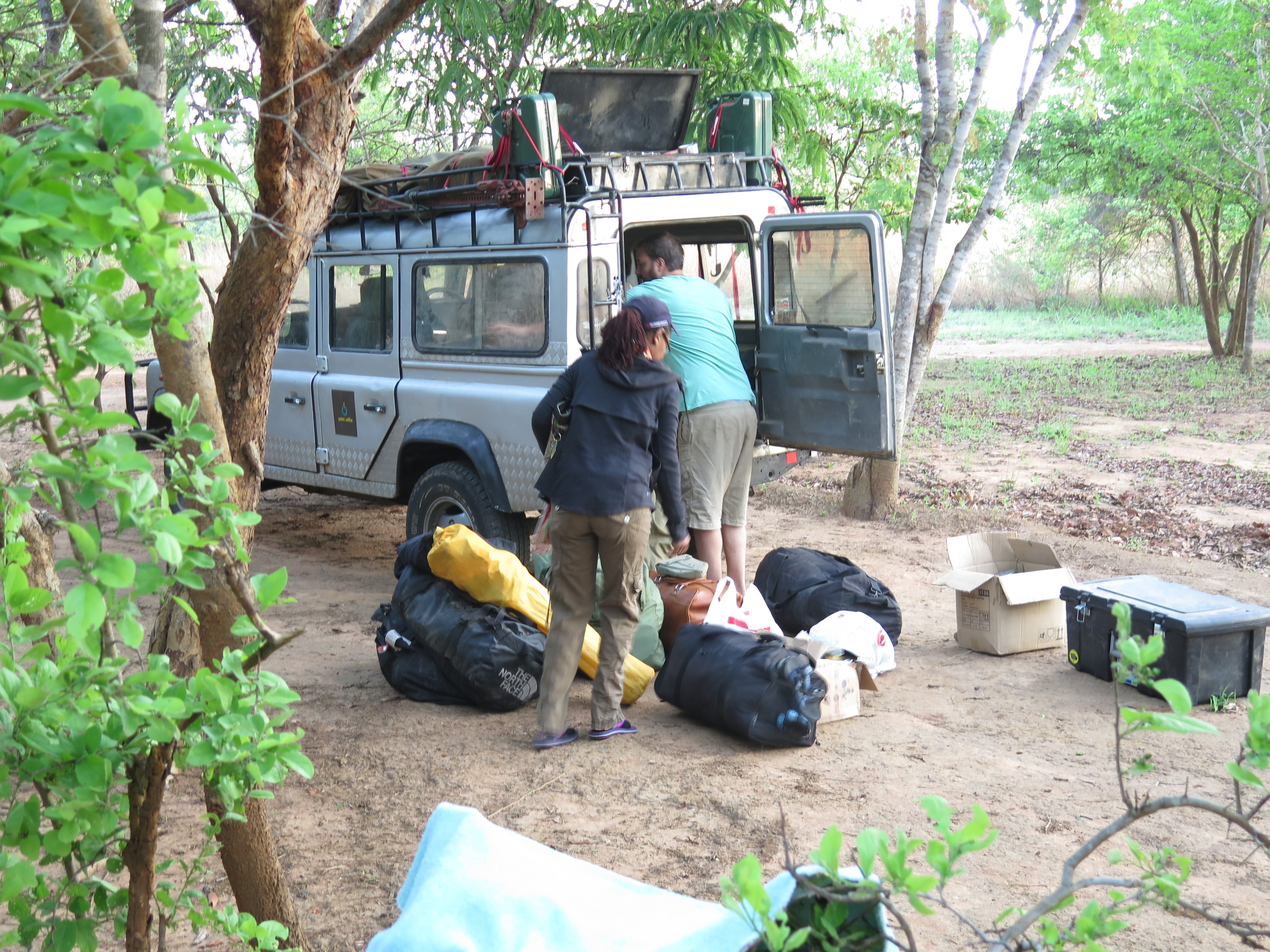
The Land Rover just 48 hrs before departure

The Land Rover just 48 hrs before departure

“Right here, right now”

This trip has been taxing, and we are only half way though. Sometimes in these taxing times when you are tired, dehydrated and hungry the last thing I want to have do is fiddle with tech, all I
wnat to do is make sure things are working, send an email home and get to bed. Right now there are 2 speed hiccups with BRCK. Firstly boot time, the BRCK typically boots in less than 45 seconds,
but then latching a network takes time and if something goes wrong then trying to rectify that with antennas, APN settings, checking the charge level all take time. Also, just doing prechecks in
the morning takes time, there are many things to do. Check the oil, check the tyre pressure, GPS batteries, everything bolted down and . Right now, we are working on the offline functionality to
speed this up and give you more information right there. For V2 we are going to address this, additionally, we are investigating display options so that you can see the status of your BRCK even
when its off, getting you all the information you need instantly.

Experiencing connectivity across African borders

Mark-Kamau

One of the challenges while traveling across Africa is connectivity. The experience of getting connected is often quite slow and unpredictable, especially when you are transiting through countries with places to be before  dark. Yesterday was a case in point. 

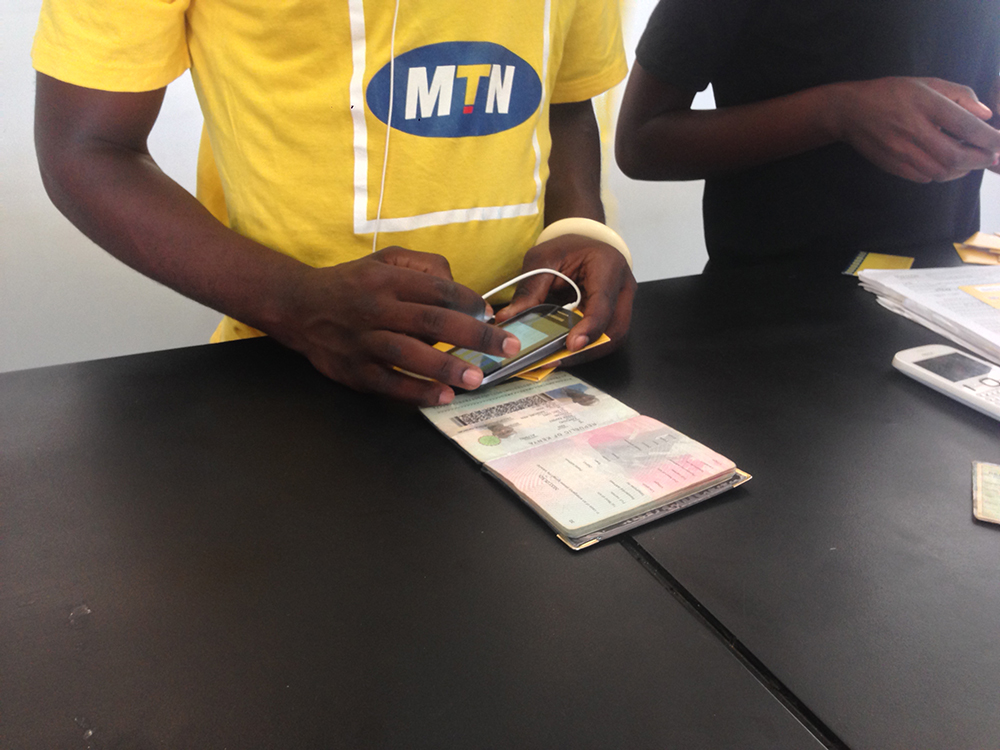
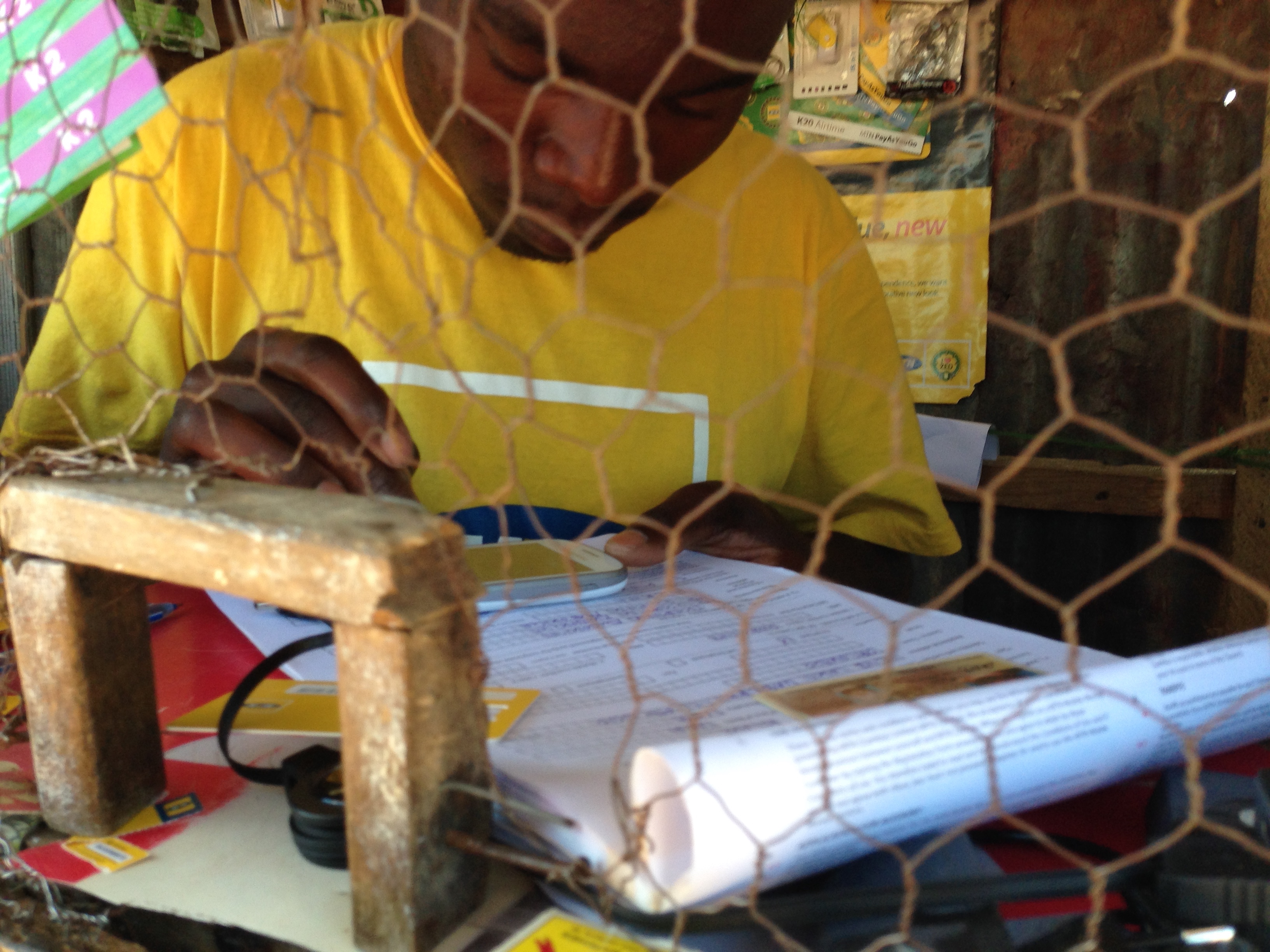
We were trying to get an MTN Line in Zambia so that we could connect the BRCK and test it while on the road across Zambia. It took over an 2 hour to get a SIM, have it registered, activated and ready for use. With over 960KM to cover, it is simply time we couldn’t afford. A the MTN shop, just getting the SIM took over 40 mins,. This took away precious time and even after an hour, we had to drive away without registration, which meant we could use the SIM. The instruction was to dial 111 every 10-20 mins until we were registered. This took another hour before we were good to go. 

The second challenge was the data bundles. We are going to be in Zambia for 2 days. We needed a plan where we could be online, unlimited, for 2 days. This does not exist. We could either buy 1GB each time and do the process all over again when it ran out, or buy a month-long unlimited plan, which was quite expensive. We are having to load 1GB each time. The system doesn’t warn when about to run out, it just cuts off. Its up to you to figure out if you are too far in the bush and therefore with no service, or whether it is your bundles that have run out. The instruction to check are nowhere accessible at the moment. I am sure if I called I would get them, but I shouldn’t have to. There is need for companies to consider not just the ability to connect people, but the experience of doing so to. It is not enough to have branding and cool premises, it is actually the service experience that primarily counts.

Eventually we got it going and I think the BRCK does a remarkable job, especially with the omni-directional Antenna. We steadily got 90+ connectivity whenever there was a signal, even when the signal was pretty weak out in the bush. 

Chasing the Sun (Days 3 and 4)

Catching up on a few updates at once here, you can read about Day 2 of our trip here.

It’s 6am in Lusaka, Zambia as I write this. The last two days have been a blur as we covered over 1,700 kilometers from Dodoma to Lusaka in what can only be considered as marathon sessions from sunup to just after sundown. Fortunately, both Tanzania and Zambia have some of the best roads we’ve seen, and the motorcycles and car all behaved well with only one slow puncture the whole way. We took small breaks every 100-200km in order to rest and move around a bit, but we’re still quite sore and ready for this day to do no travel.

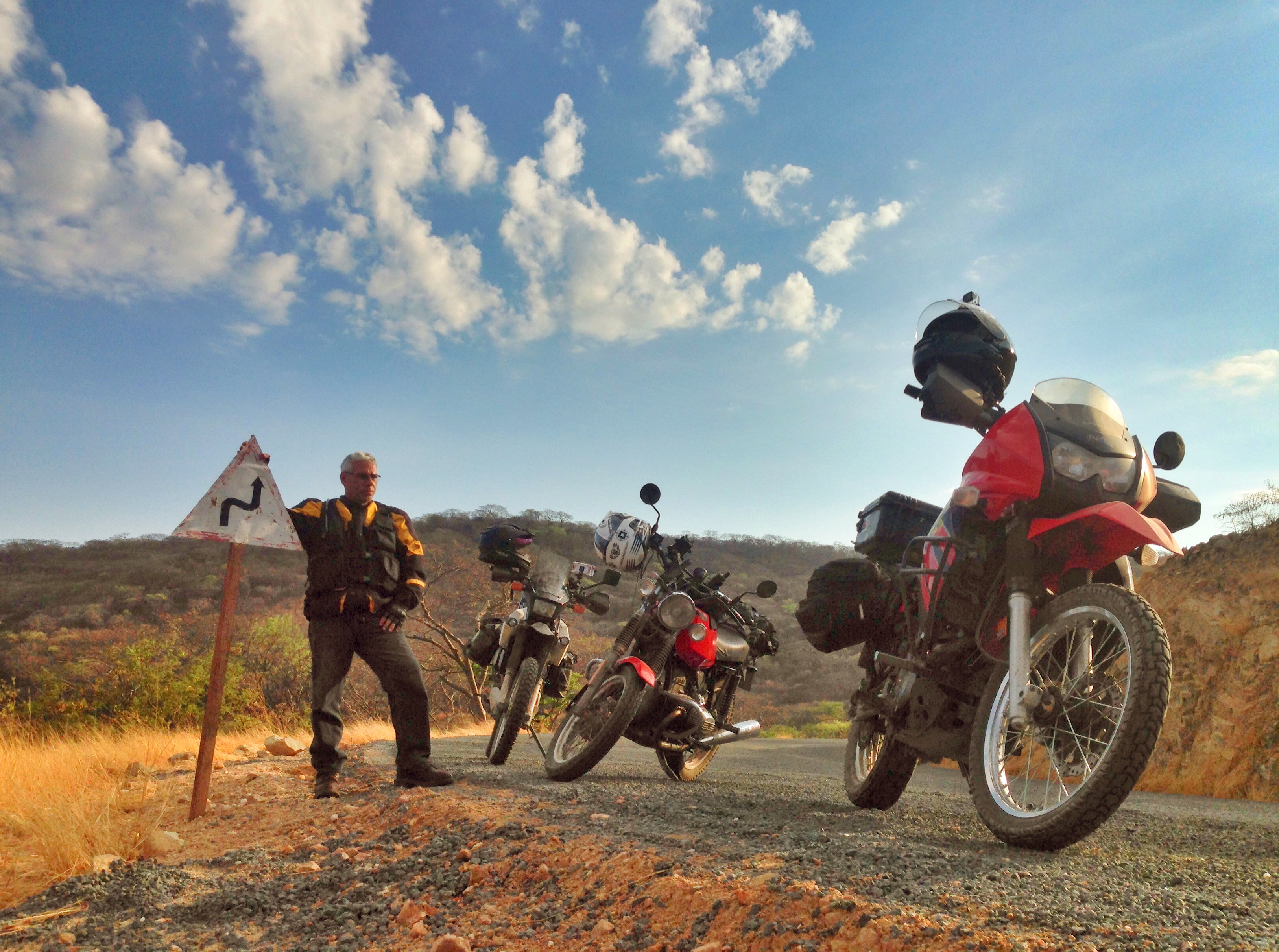
Some twisty's on the road to Iringa

IMG_3803

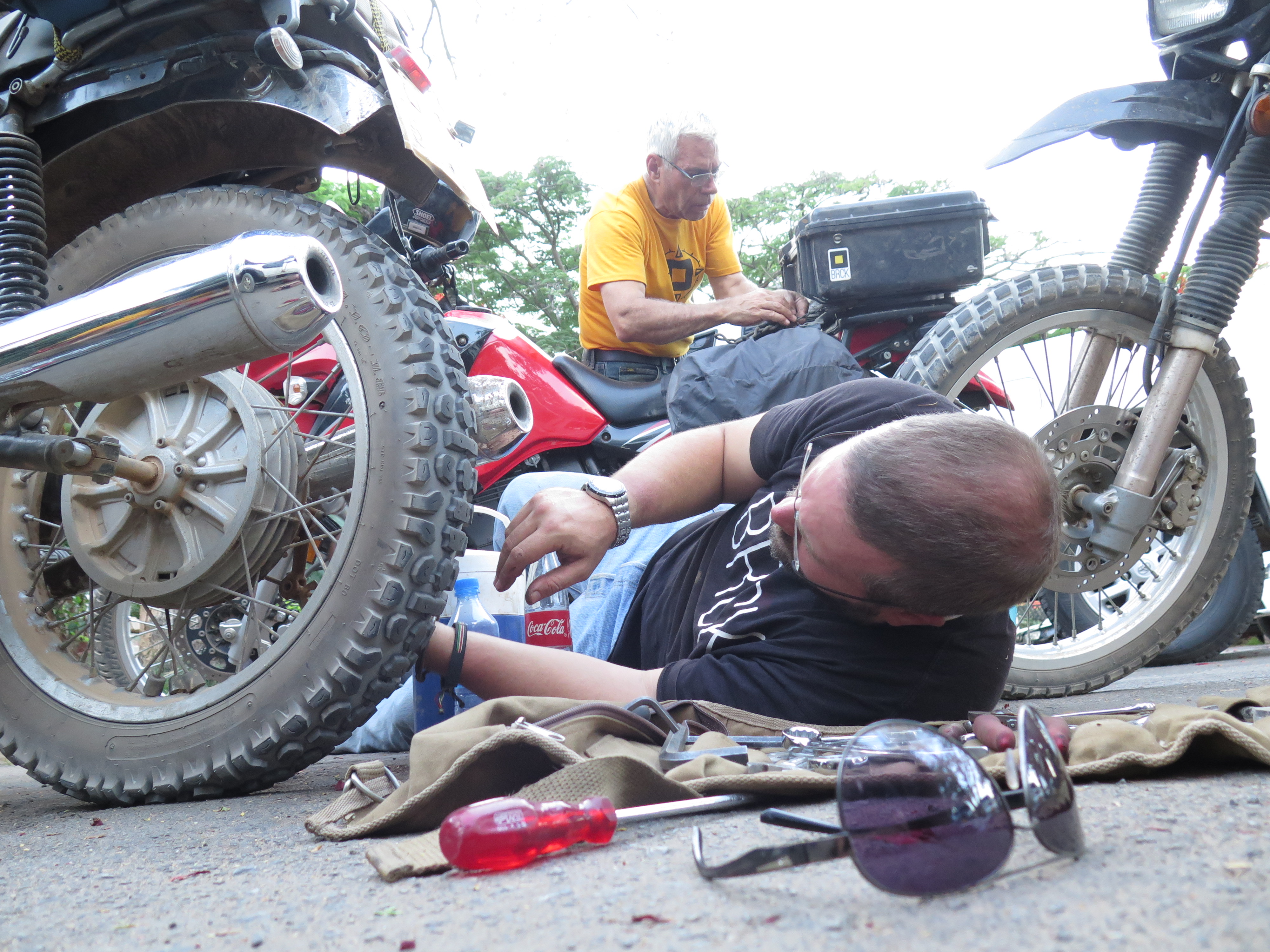
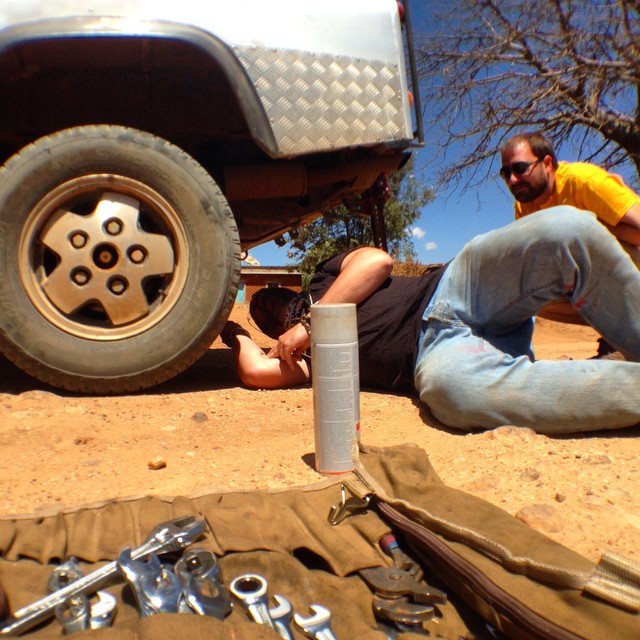
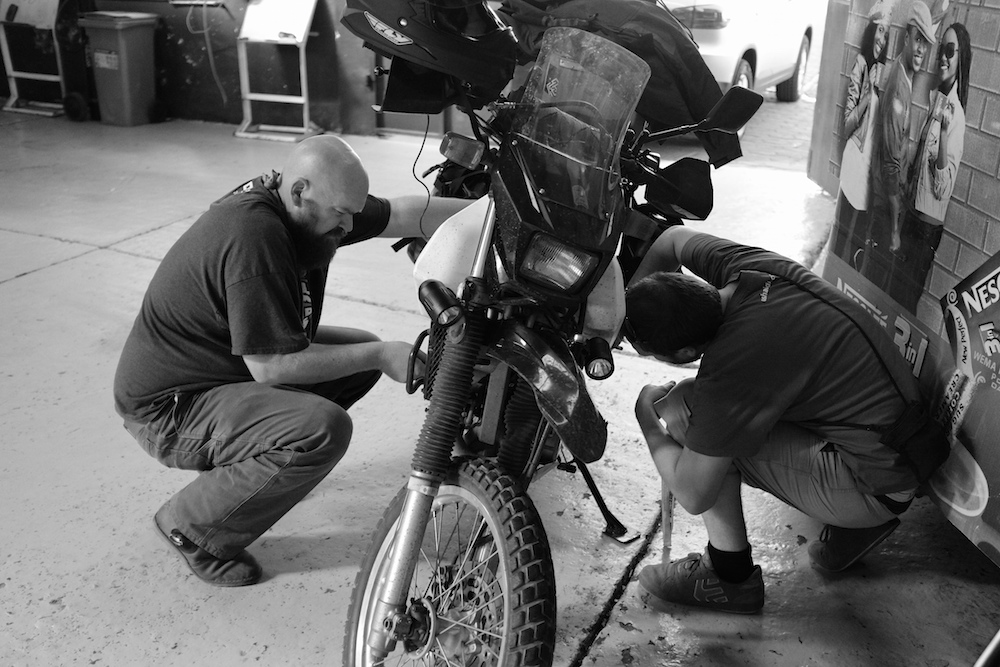
Parking lot mechanics in Dodoma, Tanzania

Parking lot mechanics in Dodoma, Tanzania

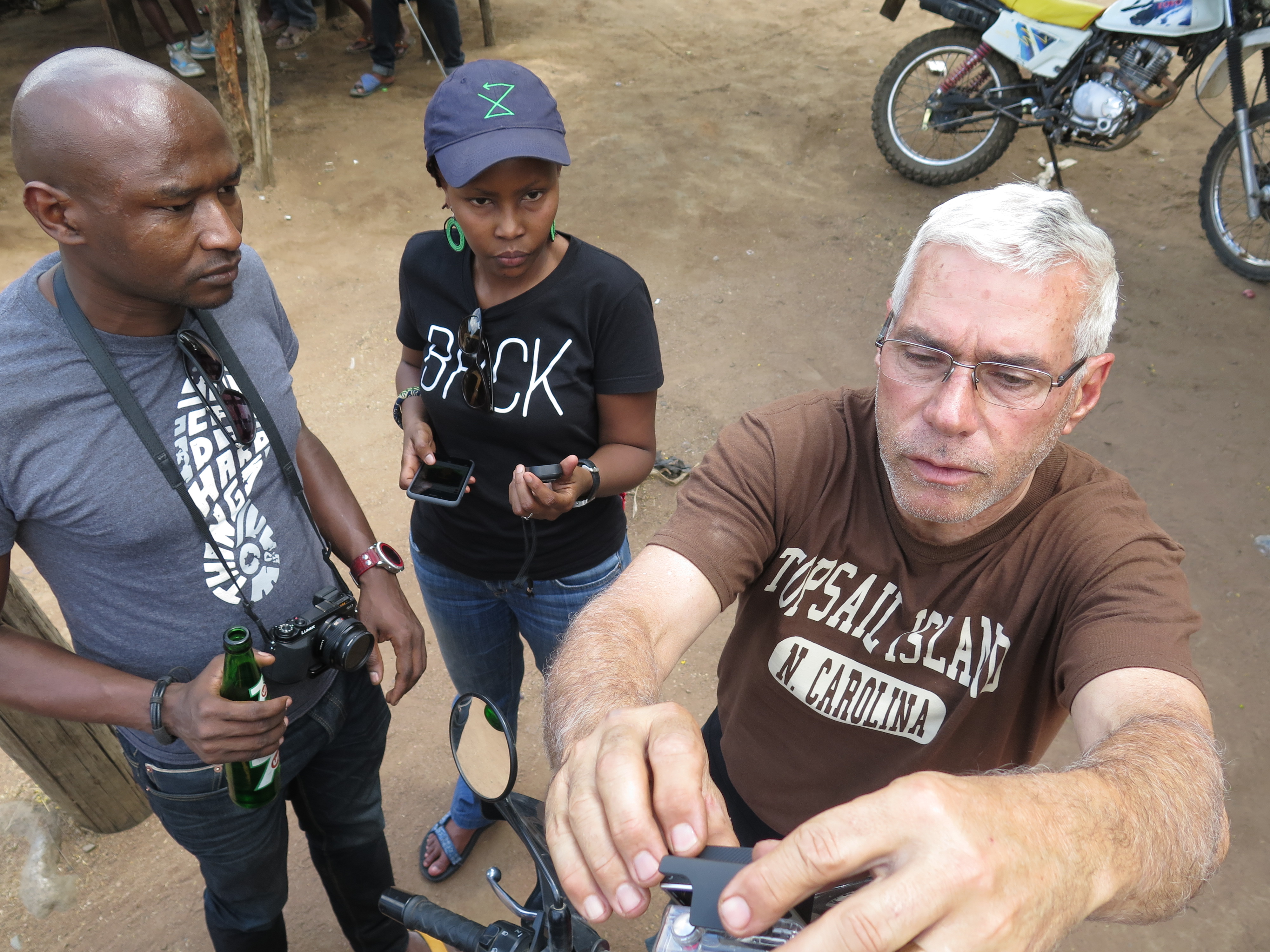
Mark, Juliana and Joel setting up the GoPro

Mark, Juliana and Joel setting up the GoPro

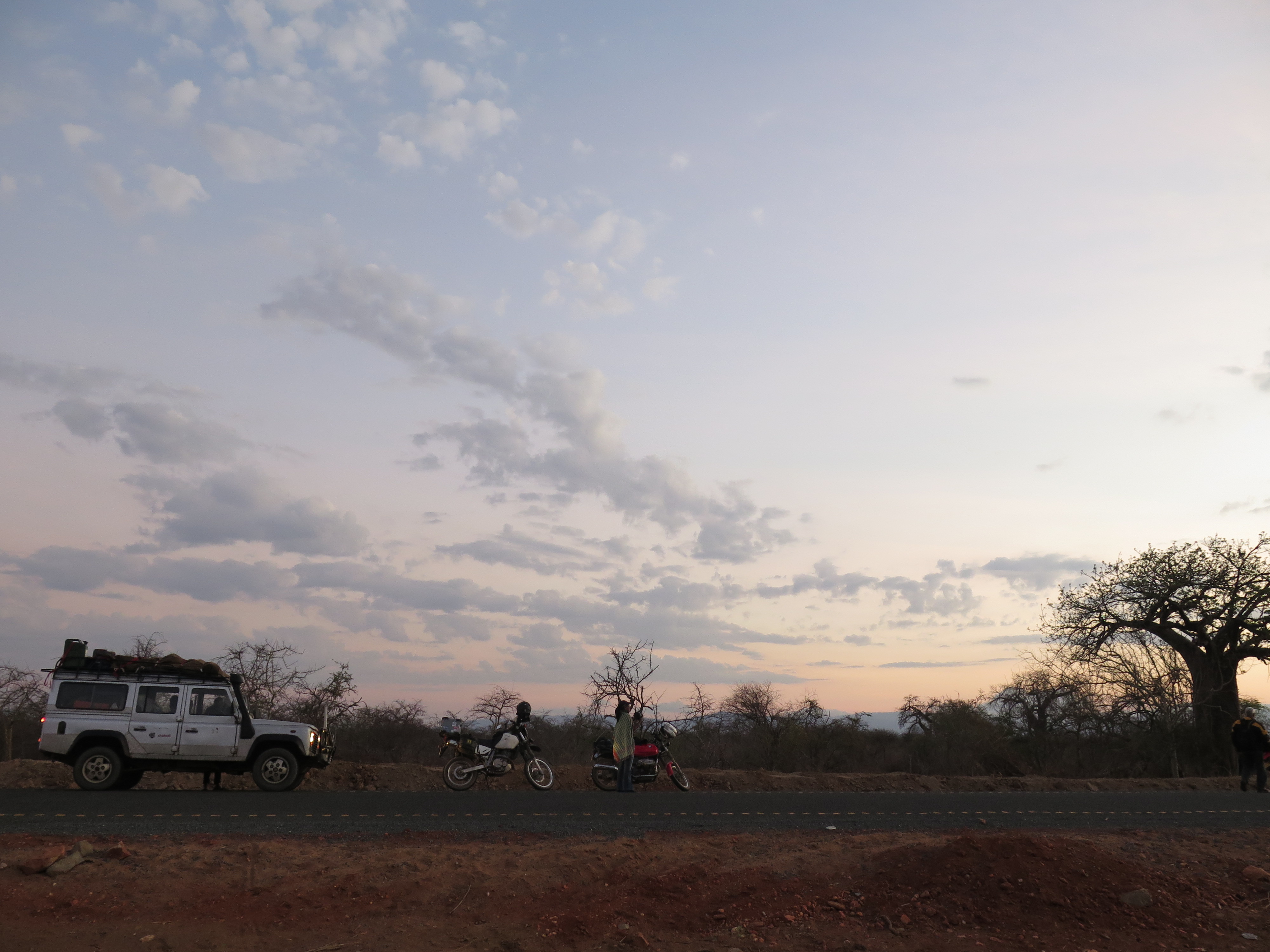
A dawn stop on the way out of Dodoma to Iringa, Tanzania

A dawn stop on the way out of Dodoma to Iringa, Tanzania

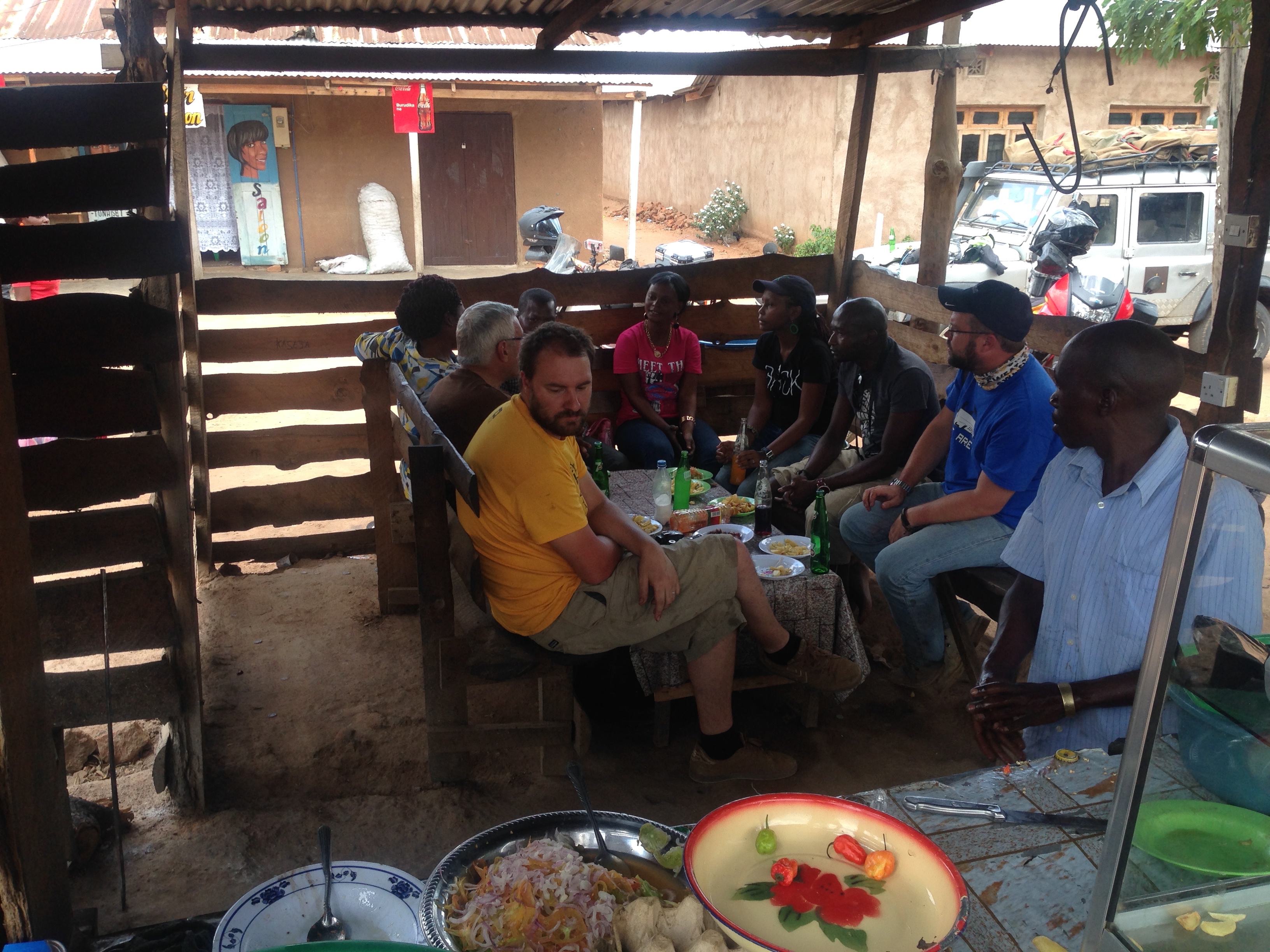
Grabbing lunch somewhere in southern Tanzania

Grabbing lunch somewhere in southern Tanzania

The border crossing from Tanzania into Zambia at Dunduma left a little something to be desired. What felt like it should have taken about 1.5 hours at most, ended up taking 3+ hours, which meant our last 50km into a campsite were done in the dark on the only section of bad road we’ve seen. People did warn us of this, so it wasn’t unexpected. However, the reason wasn’t because of long lines of trucks slowing us down, it was due to inefficiency in the process itself at both immigration and customs.

From here, our days get a little more sane, with a run down through Victoria Falls into Botswana and then finally Johannesburg. As an aside, it turns out that half-way between Nairobi and Jo’burg is almost exactly at a small town called Serenje, Zambia – 2,200km from each.

Time at Bongohive

We pushed so hard to get to Lusaka by now so that we would be here in time for the events at Bongohive, Lusaka’s tech hub, which were all scheduled for today.

1pm – Demo of BRCK (Philip Walton and Reg Orton of the BRCK team)
3pm – Meeting with Startups (Mark Kamauof the iHub UX Lab) – HCD, UX, DT
4:30pm – Meeting with Startups (Erik) – Investment readiness, experiences with Savannah Fund, getting into new markets etc
6pm – Keynote at Startup Weekend Lusaka (Erik and Juliana Rotich)

Lukongo Lindunda is the co-founder of the space, and we’ve known each other for years, since before they got it started back in 2011. I’ve been looking forward to seeing everyone here in the tech space for a while, and I’m interested in hearing what’s brewing in the startup scene.

Some of the startups that I’ve heard about from Zambia include:

  • ShopZed.com
  • Bantu Babel
  • Venivi
  • DotCom Zambia, BusTickets
  • TeleDoctor
  • SCND Genesis

If you’re part of the tech community in Zambia, I hope you can swing by, and we’re all looking forward to seeing you as well.

Lessons From the Trip

Since we’ve started this trip I’ve been thinking a lot about communications, as one would expect with a BRCK expedition, and especially mobile comms. We outfitted the truck with a omni-directional Poynting antenna on the front bumper, hooked up into the car, where we can also connect it to an amplifier if needed. As we drive down the road, we have a pretty good mobile WiFi hotspot, as long as we’re in range of a tower.

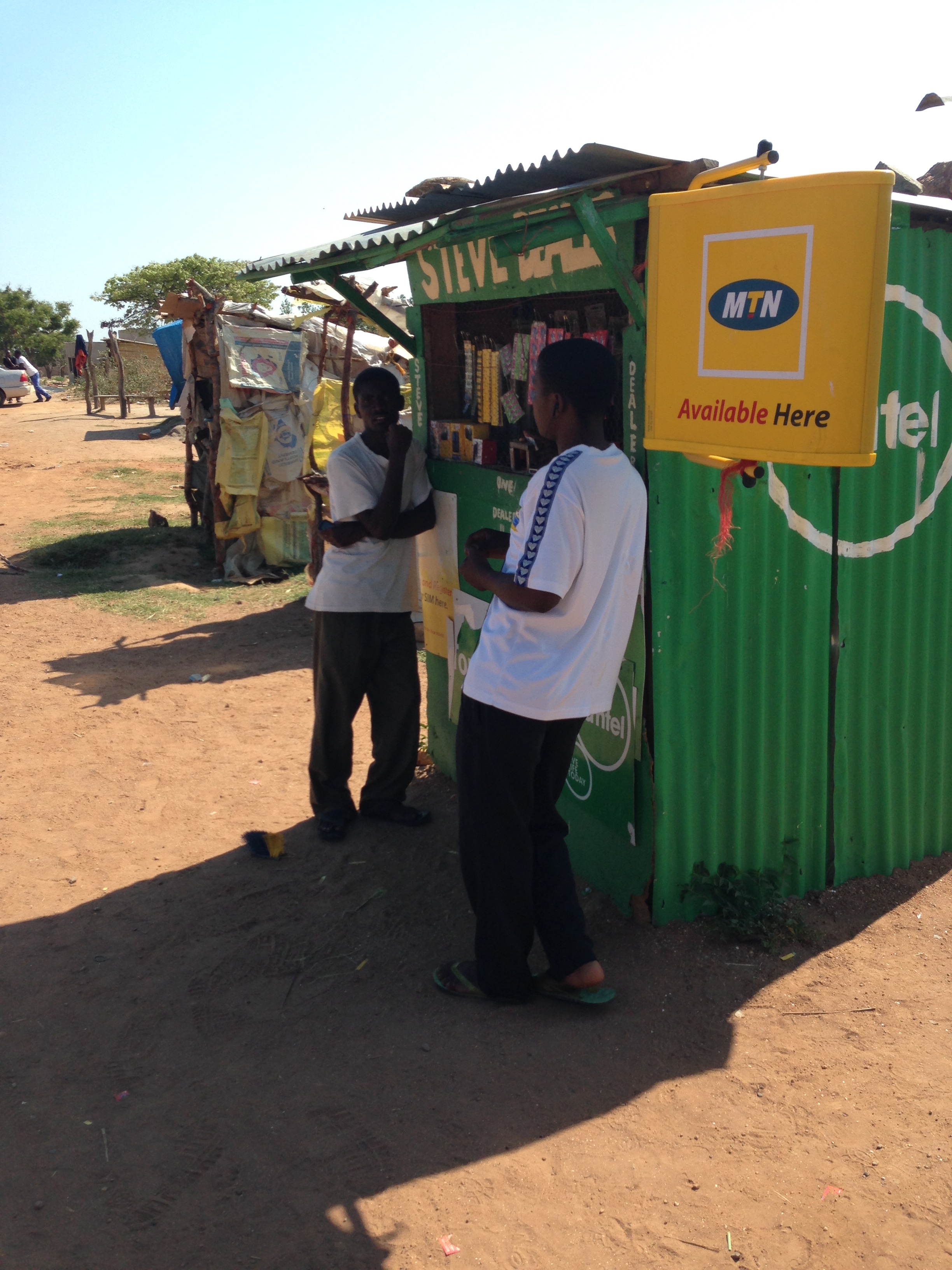
The mobile phone kiosk, a mainstay of rural Africa

The mobile phone kiosk, a mainstay of rural Africa

The last few years have seen a number of countries implement a registration process to buy SIM cards (ostensibly this is for security though it’s not been proven to be useful for anything more than big brother activities by governments). Even buying a SIM card is then a process of identification (usually passport or drivers license), so you have to budget for that 30-60 minutes to get that done, since it’s usually filling out a form by hand.

Registering an MTN SIM card in Zambia

Registering an MTN SIM card in Zambia

You then purchase credit for the SIM card and load it up – this is the easiest part.

Now you get into the “mystery meat” part of the process, which is how do you turn that airtime you just bought into internet credit? Each network in each country has a different way of doing this, some combination of USSD or SMS to get it going.

A couple things come to mind now when we look at the BRCK.

First, we need a terminal screen in the BRCK interface for us to do all of this from the device itself. Right now we find ourselves popping out the SIM card and using a phone (Mozilla’s 3-SIM phone is amazing for this purpose), and then inserting it back into the BRCK when done.

Second, there needs to be a database of this “airtime to internet data” information that we can all use. I’m not sure how best to get this going, but I know it would be immensely useful when you drop into a new country to have this at your fingertips.

We’re already working on the first issue, of USSD/SMS interface, but it’s complicated, so it’s taking longer than we’d like. This trip is about learning, and we’re already finding a lot of things to do better. Look for more posts on the BRCK blog from the others as well.

BRCK Expedition – A Dash South – Day 2

We ended our first day well at an incredible campsite in the middle of Tanzania. We mostly got to bed at a reasonable hour with an agreement to get moving at 6 and wheels rolling by 7. We hit the first but missed the second. It wasn’t that we were wasting time but there is always a bit of effort to get ourselves into high-performance, expedition pace.

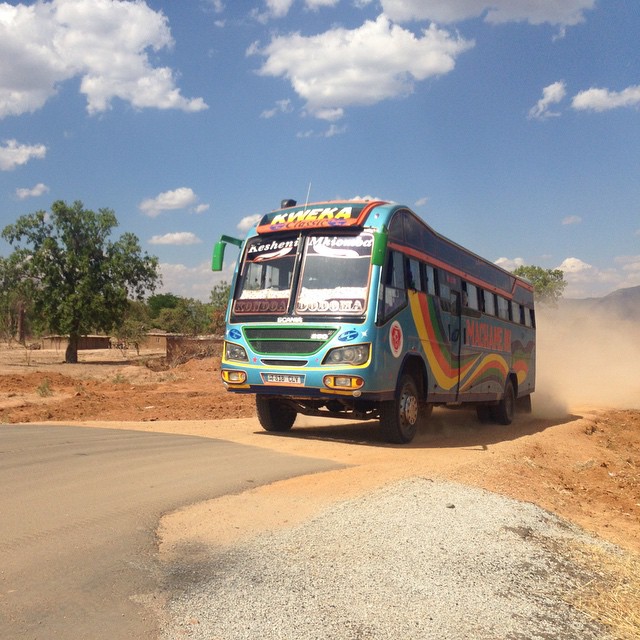
The early part of the morning was spent at a proper speed on some of the best roads in Africa. We would hit towns of various sizes every 40-50 kilometers and we learned to recognize the size/status of the town based upon the number of speed bumps and cell towers. On the bikes it was easy to lift up out of the seats and take the speed bumps at a reasonable speed. The truck on the other hand had to slow down. In addition to the impact of the speed bumps, the truck was a target for every police stop. The bikes just waved as we went flying by. We really were in a zone for a couple of hours as we let the kilometers roll by under our wheels.

And then things changed… A lot!

10706946_1577981059091637_372139915_n

We had a choice this morning to either go the eastern (shorter) route or the western (better) route. Everyone (I literally mean every human we know who has ever even heard of Tanzania) told us to take the western route. We, of course, decided to take the eastern route. They were right. We were wrong.

It started off reasonably ok with a bit of hard packed dirt. Although my bike wasn’t really designed for this kind of stuff, the other vehicles are in their element when the tarmac ends. And then things got worse. The road went from hard pack to fresh-fresh (talcum powder like sand). We would have sections with washboards so bad that our bikes would bounce all over the road. Then we would have sections with huge rocks that did their best to total our vehicles.

Reg had the first incident when he slid the truck in the fresh-fresh and ended up in a ditch. Nothing serious but we found out a few kilometers later that he had bounced the rear spring out of its mounting. We subsequently found out that the spring had rubbed on the sidewall of the tyre. The tyre (and rim) met their end on some very difficult washboard when they disintegrated into many, many pieces. No injury, but it was another delay on an already delayed day.

10808952_882584061774388_1680736984_n

Although the bikes faired better mechanically (the only issue during the day was a broken box mount on Joel’s KLR), the riders suffered greatly. As we watched the remaining distance to Dodoma very slowly trickle down, our bodies were thrashed royally by the terrain. Sore hands, dust filled eyes, and shattered nerves from the many close calls in the loose dirt. When the dirt wasn’t giving us grief the buses that would fly by at uncontrolled speeds would nearly knock us off the road. We would stop frequently but the breaks were always too short and the pressure for pushing on too great.

We had intended to be in Dodoma by 10am where we were going to pick up Mark Kamau and Juliana Rotich. The plan was that we would then keep going to Iringa and spend the night closer to the Zambian border. As the hours ticked along and the kilometers did not we started to realize that our decision was going to have a significant impact on our overall schedule. Instead of making it past Iringa, we were going to have to fight to just make it to Dodoma. With about 70km to go we stopped at a police check to ask how much farther to the tarmac. The cop answered 20km but we are generally suspicious of time and distance responses from people in rural Africa. He was actually spot on and, 20km later, we rolled our bikes onto beautiful a made tarmac road. We had to hang out for a bit as Reg was dealing with his disintegrated wheel but we all breathed a sigh of relief to be back on the good stuff.

As we flew along towards Dodoma we settled into the reality of needing to adjust our schedule slightly for the remainder of the day. As if we had not had enough punishment for our decision, we suddenly found the tarmac ended and we were once again getting pounded on the loose dirt. We knew that we weren’t far from Dodoma and we were confident that the capital city would have only paved roads.

We were wrong again.

The dirt took us all the way into Dodoma – with pavement showing up once we were in the town proper. We found the rest of our team hanging at the New Dodoma Hotel and we used their wifi to search for accommodations south of the city that would put us on our path towards Zambia. We quickly found out that the New Dodoma Hotel was the only option available and so we relented to real showers and a night in real beds. While we still had daylight we did a full round of mechanical checks and fluid top ups on the vehicles. We reworked our route for the next two days going into Lusaka and we enjoyed a nice meal together as a team.

Although today was not anything like we expected when we woke up this morning, we once again validated why we do these expeditions. It is simply impossible to know what Africa can throw at you until you get out there and experience it for yourself. We are learning a lot about what is required to actually be rugged-enough for Africa. We are seeing how critical reliable technology is in remote and difficult situations. We are improving our ability to persist and succeed in the face of insurmountable odds. Finally, we are learning to adapt to our circumstances and not lose sight of the bigger objectives. These aren’t new lessons for us but they are lessons that we need to be continually reminded of as we attempt to build BRCK into the kind of company that can have the kind of impact that we want on our greater community.

10809747_745755318833020_398782994_n

It wasn’t the day that we hoped for but – with all vehicles and riders still in this expedition – it was the kind of day that we will look back on with fond memories. We will tell stories of this day for years to come and, hopefully, somewhere in the dust, oil, sweat, and tears there was the start of an idea that will eventually find its way into a BRCK product. For that one goal, today was well worth it.

BRCK+Pi

It’s funny what causes one to get excited. For some it is the smell of something new. For others the satisfaction of helping someone out. For me, it is the magic of seeing something that we designed come together into a product that is more than the sum of its parts.

In the very early days of BRCK we envisioned this amazing expansion ability. We added USB lines and power connectors. We had some vague ideas of what this might be used for but I don’t think that we could have imagined the device that I am now holding in my hands. This is, simply put, the coolest piece of tech kit that I have yet to experience.

Ok, I hear you saying, but it is your company’s tech so obviously you think it is cool. Sure, I am biased but then it isn’t really the actual device that has me so excited. What really has me excited is the potential of what this device could mean for people across Africa – particularly school children.

Simply put, the BRCK+Pi takes all of the ruggedness, power resilience, and connectivity flexibility of the BRCK and adds incredible application processing capabilities. A BRCK on its own is capable off serving up static content but a BRCK+Pi is capable of rich interactions and locally hosted applications. In our view, this creates the potential for a new computing UX paradigm at the edge of the network. A paradigm where “the” cloud might not be “The” Cloud. Where communities can access the content that is relevant to them without being perpetually connected to the rest of the internet. An opportunity to change the way we think about educating the 400 Million plus school children on the African continent.

This wide reaching potential is what makes the BRCK+Pi such an amazing piece off technology – regardless of who developed it.

I first wanted to write about this new product we are developing when Reg and I actually plugged the two devices together and served up our first web application. It was a cool moment and I really wanted to share it with the world. That was six weeks ago and Reg was frantically preparing to head to Mozfest for the official announcement of BRCK+Pi. As so often happens in a small company with too few resources, I started the post but never finished it.

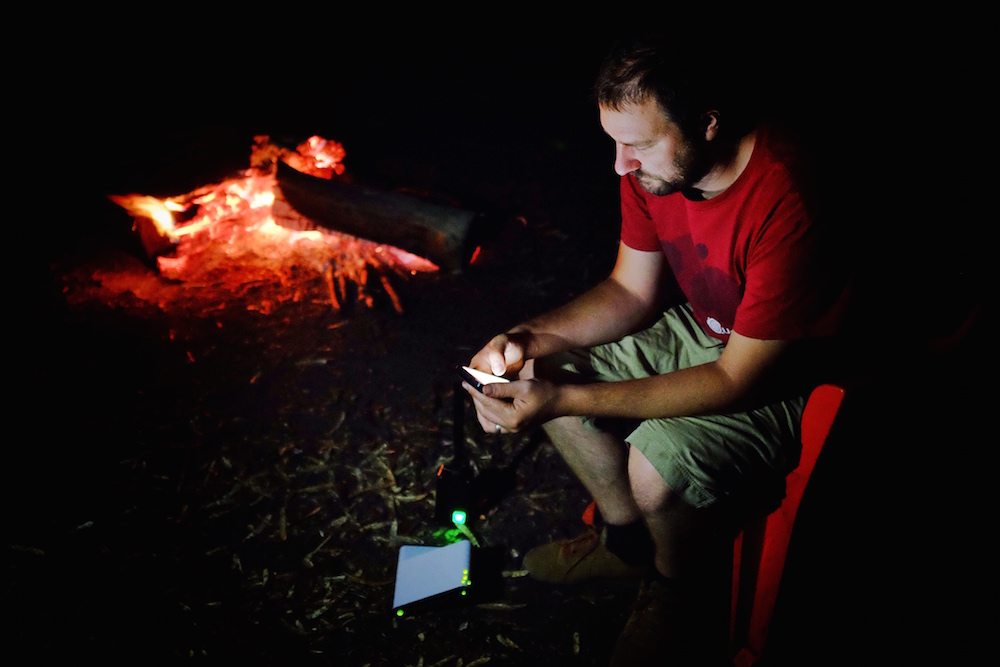
Fast forward to today, Nov 24, and the BRCK team is sitting at a camp next to the Tarangine park in Tanzania on the first day of our epic overland expedition to South Africa. As we sit around the fire warming sore muscles from a long day of riding, Erik and I are uploading and sharing our images on the BRCK+Pi media server that Kurt built for us. Since we are gluttons for eating our own dog food, we wanted to put this amazingly cool device to proper use as we work our way across 9,000km of southern Africa.

As if sitting in camp and having a fully functioning media server running from an integrated BRCK stack wasn’t enough, we just so happen to be in an area with limited backhaul over the cellular lines. We are fortunate enough to have one of the iSavi devices from Inmarsat to provide satellite backhaul from anywhere on the planet.

So as I am typing this, as we sit by the fading fire under the African stars, we have a BRCK getting connectivity through an iSavi connected to a Pi that is providing our media storage as Erik and I are seamlessly exchanging and uploading media so that we can share our latest BRCK story with the world.

While our current use case may not save the planet, there is no doubt that the lessons we are learning this evening will have a lasting impact on our ability to redefine the ideas of computing at the edge of the network and in emerging markets – especially Africa.

Great roads and a bit of engine trouble (NBO2JHB day 1)

(By Erik)

I’m writing this blog post using my Mac, connected to a BRCK which is connected to a satellite internet connection using an Inmarsat iSavi device, somewhere about 100km from Arusha towards Dodoma. Inmarsat gave us this test device, a small unit, made for global travelers, so we could test out what worked and give them feedback on their tools. It also helps us figure out what connecting to the internet looks like when you’re beyond the edge of the mobile phone signal in Africa.

Here’s Reg, using his phone to do the same at our campground this evening:

Reg using the BRCK and iSavi in Tanzania

Reg using the BRCK and iSavi in Tanzania

The Journey

We left at 5:30am from Nairobi to beat the traffic out of the city. With the beautiful new roads, we were at the Namanga border by 8am and cleared by 10am. Before you go on one of these trips, make it easy for yourself and get the following:

  • Carnet de Passage for each vehicle (get this via AA)
  • COMESA insurance (get via your insurance company, or buy at the border)
  • International driver’s license (get via AA)
  • Yellow fever card
  • Passport

By noon we were in Arusha, and took a chance to see the cafe that Pete Owiti (of Pete’s Coffee in Nairobi) set up with some Tanzanians, called Africafe. If you ever find yourself in Arusha, this is the first place you should go. Great food, good coffee, right in the middle of everything.

Knowing we were only going about 100km more today, we set off around 1pm. We got to a roundabout, and I knew which direction the main road was, so even though Philip mentioned we should go right, I went left to the main road. 45 minutes later we realized my mistake when Philip checked his GPS and realized we were further away than we were supposed to be.

Lesson learned: always listen to your cofounders (especially the one with the GPS).

With many sighs, we turned around and went back to Arusha, where Reg had been smart enough to stay with the Land Rover when he realized we went the wrong way. We quickly split off in the correct direction, aiming to get to the camping spot by 4pm latest.

As we were sitting in traffic in Arusha, Joel says, “Erik, your bike is smoking.” I replied that it was likely just the car I was parked next to. Nope. Sure enough, I was leaking oil… For those of you who don’t ride motorcycles, this is the last thing you want to hear when on the front end of a 4,400km trip. I ride a 2007 Suzuki DR650 – they have some of the most bullet-proof engines, and are perfect for Africa’s roads.

Working on the DR650 in Arusha

Working on the DR650 in Arusha

Fortune smiled upon us, and we were pointed towards Arusha Art Limited, which turned out to be an amazing garage (the best I’ve ever seen in Africa). Their director, Hemal Sachdev helped us out by helping to troubleshoot what could be wrong, and even fabricating a high-pressure oil hose, with compression fittings on the spot. There was oil everywhere, so we washed it off and kept going.

Lesson learned: there are a lot of people willing to help you in your journey, especially if you ask nicely.

5 km down the road, I was still smoking… Thanks to Hemal’s help, we knew what the problem wasn’t. It was now that we chanced to notice that the problem seemed to be coming from the timing chain setting hole. We realized this could be filled by a normal M5 screw, so got trucking to the campground where we could let the engine cool down and screw it in.

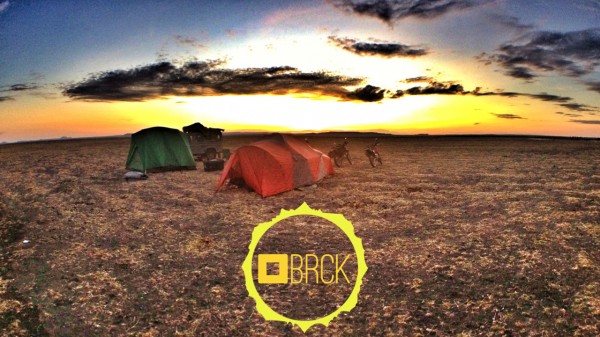
Now, I sit here in Wild Palms Camp, some place we saw on the side of the road near the Tarangiri game reserve. For 10,000 Tanzania Shillings ($6) each, you get a patch of ground to put a tent, there is a banda with table/chairs, and there are even some showers and toilets. Not real camping, but definitely nice after a day on the bike!

A BRCK Expedition Run to South Africa (and back)

(Republished from Erik’s blog)

Two days from now we begin a BRCK overland expedition to South Africa. Like any of our trips, it is meant to be fun and adventurous, while at the same time giving us the opportunity to stress test our product beyond the norm.

BRCK Expedition

In the vein of our past expeditions to Turkana and the Nile, this one is on the edge. We’re taking 3 motorcycles and a Land Rover from Nairobi to Johannesburg in time for Maker Faire Africa on Dec 3-6.

As usual, we’ll have a couple guests, or “shotgun riders” as we call them:

On the way south: Juliana Rotich (Ushahidi, iHub, BRCK), and Mark Kamau (UX Lab lead at iHub).

On the way north: Aaron Marshall (CEO, founder of Over, Africa’s biggest selling IOS app), as well as Matt Schoenholz (head of the Kitchen Studio at Teague which focuses on prototyping and making).

You can keep up with us:

A Dash South

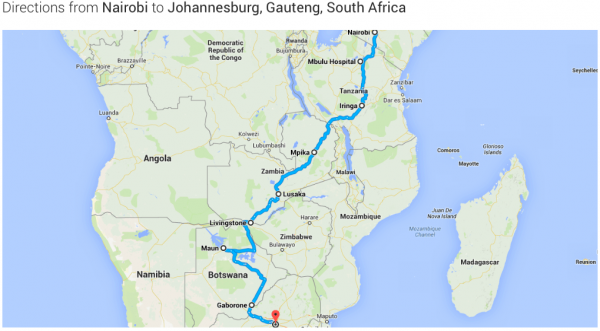
If you do the math, you’ll realize this is more of a mad dash south in time for the event, covering 4,400km in 9 days. Here’s what the route south looks like, from Kenya through Tanzania, Zambia, Botswana and into South Africa.

Nairobi to South Africa - southern leg

Nairobi to South Africa – southern leg

The journey north takes us through Zimbabwe, Mozambique, Malawi, Tanzania and back to Kenya, which we’ll take a little slower.

The People We’ll See & Events We’re At

We do have plans for a day off along the way. We’ll be stopping to visit our friends in the Zambian tech community in Lusaka. The Bongohive has been kind enough to host us, and we’ll be hanging out there, doing BRCK demos for techies and businesses, and I’ll give the keynote that evening for the beginning of Lusaka’s Startup Weekend.

Since I’m a founding organizer for Maker Faire Africa, I’m excited to go back, and this time have a product of our own to show for it. Besides demoing the BRCK and sharing how to build a hardware business in Africa, we’re also going to have some fun hacking on the devices with whoever is around and wants to play with them. We’ll have a couple of our engineers on hand as well.

Gearbox, our new prototyping and making initiative in Kenya, is a supporter of this year’s MFA too, so I’ll be able to speak to that and will have one of the Gearbox team with us at the event.

On the way back North we’re stopping in Harare, Zimbabwe to meet up with the tech community there. We’ll largely spend our time around the Hypercube, though plans are underway to get together with members of multiple tech spaces.
Testing BRCKs and Electronics

There are a couple new things we’re testing on this trip, three of which I’m extremely excited about:

When you add a RaspberryPi, a hard drive and another 8 hours of battery to a BRCK, you get a BRCKpi Microserver

When you add a RaspberryPi, a hard drive and another 8 hours of battery to a BRCK, you get a BRCKpi Microserver

    1. BRCKpi – this is our RaspberryPi + BRCK device – it’s an add-on to the BRCK (we call those MRTR, as in “bricks and mortar”). We launched it last month with Mozilla in London, and are targeting it primarily at schools and clinics in Africa. However, we know there are a lot of other use cases for it, and one of those will be as a media server for our images and video on this trip.
Real off-grid, portable internet in Africa.

Real off-grid, portable internet in Africa.

    1. Satcoms – we’ve been thinking a lot about how we can extend the BRCK beyond the edges of the network, so that it’s the one internet device that’s smart enough to pick the right connectivity type depending on what it can sniff around it. To that end, we’ve been having great conversations with Inmarsat and we’re testing out their newest product, the iSavi (not even on the market yet, first one in Africa). Internet speeds are comparable to cellular networks at up to 384 Kbps down, and 240 Kbps up. It’s much smaller and more portable than a BGAN, so we’re excited to pair it up with the BRCK, stress test it and see how it goes off-grid.
Some of the best antennas on the market, made in Africa

Some of the best antennas on the market, made in Africa

  1. Antennas – We’ve tested some of Poynting’s antennas before, and they’re some of the best we’ve ever found. This time around we’re testing their mobile units, paired with amplifiers which we built into the vehicle, in order to see if we can create quick, deployable units at the edge of the grid. Of course, Poynting is a South African company too, and as one of our partners, we’re going looking forward to seeing them in-person for the first time in Johannesburg.

How the Internet of Things Can Help Save Our Rivers

You’ve been hearing a lot about our recent trip to Uganda, and we’re not through yet! In addition to working with Hackers for Charity, connecting schools around Jinja, and wirelessly controlling underwater robots, we wanted to explore the IoT side of the BRCK, too.

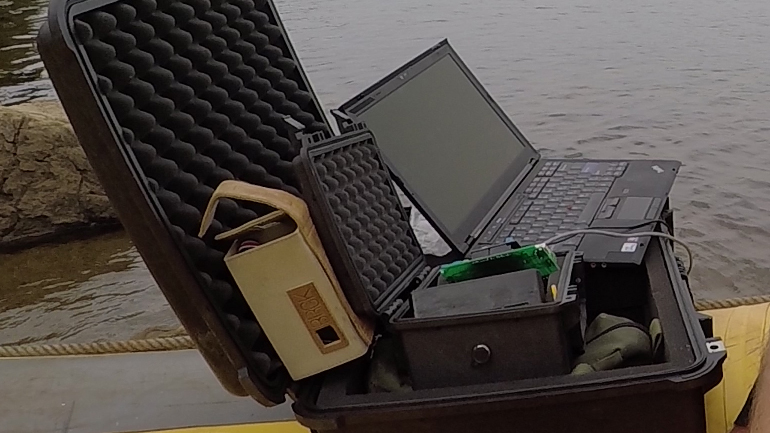
MRTR in Pelican

A number of people we’re working with are keen on using BRCKs to remotely connect sensors and other objects to feed data back over the internet. Some of the uses we get most excited about are around conservation, ranging from tracking vultures to locate poaching kills to remote weather stations in the savannah.

Two projects we know of, Into the Okavango (http://intotheokavango.org) and the Mara Project (http://mara.yale.edu ; http://mamase.unesco-ihe.org), are deploying networks of sensors to monitor entire ecosystems. By tracking water quality throughout the Okavango Delta in Botswana and the Maasai Mara in Kenya, each hopes to improve our understanding of these fragile environments, and by publicly posting the data (as well as pictures of their own expeditions) on their websites, they hope to inspire further appreciation amongst those who may never get a chance to visit these amazing places in person.

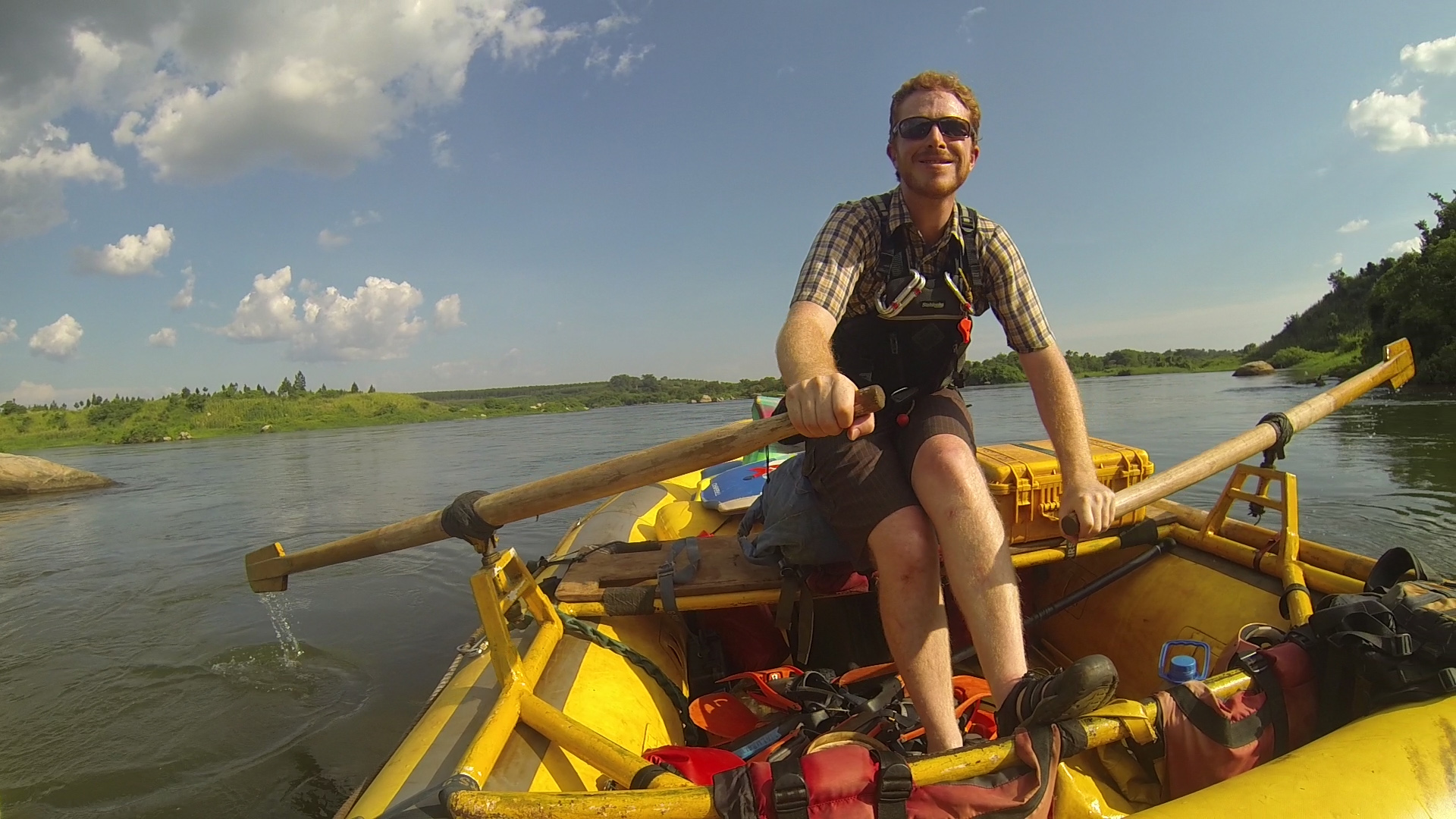
When we first started talking about going to Uganda, home to the source of the White Nile flowing out of Lake Victoria, we knew we had to find a way to get out on the river and try our hand at collecting environmental data via the BRCK ourselves. It just so happens that Paul, one of the expedition team members, was a river guide for seven years in Colorado before coming to Kenya, and had found out about an expedition being planned by Pete Meredith down the Karuma to Murchison Falls stretch of the Nile.

Paul Rowing

This stretch is home to the largest concentrations of hippos and crocodiles anywhere on the Nile, and has been rafted less than 10 times in history, only once commercially. It’s home to some of the biggest, most terrifying whitewater in Uganda – a country known for big, terrifying whitewater. Uganda is also a country that is industrializing fast, with hydroelectric power stations playing a key role in meeting fast growing energy demand.

All these new dams mean that rivers in their natural flow are disappearing quickly. The Bujagali Dam near Jinja covered 388 hectares in reservoir, flooding several miles of pristine whitewater. A new dam under construction near Karuma threatens to seriously affect the wildlife that concentrate downstream, and the Murchison stretch may no longer be runnable after 2018. With almost 85% of Uganda’s population unable to access electricity, the case against building more dams is hardly clear cut, but it does mean the time to learn from, share, and experience some of the most unique ecosystems along the Nile is running out.

As a team of gadget-headed engineers, we figured a good first step would be to have an affordable, reliable platform for collecting and disseminating information about these ecosystems. While the BRCK itself runs on an Arduino compatible microprocessor, we included a blank AVR chip with direct access to the pins through a dedicated GPIO port on the back. In Jinja, our lead RF engineer Jackie quickly soldered up a pH and temperature sensor kit to a GPIO MRTR, and off we went.

Jackie Soldering

After much debate, and despite being a generally adventuresome and outgoing bunch, the Murchison stretch proved to be a bit too much for some of our team, most of whom had never rafted before. (Mention the word “Murchison” around here and even the local guides have to suppress a shudder of anxiety. Pete is still planning an expedition for springtime, for those with a serious bug for adventure and not too tight an attachment to this world – http://www.nalubalerafting.com/expedition.html.)
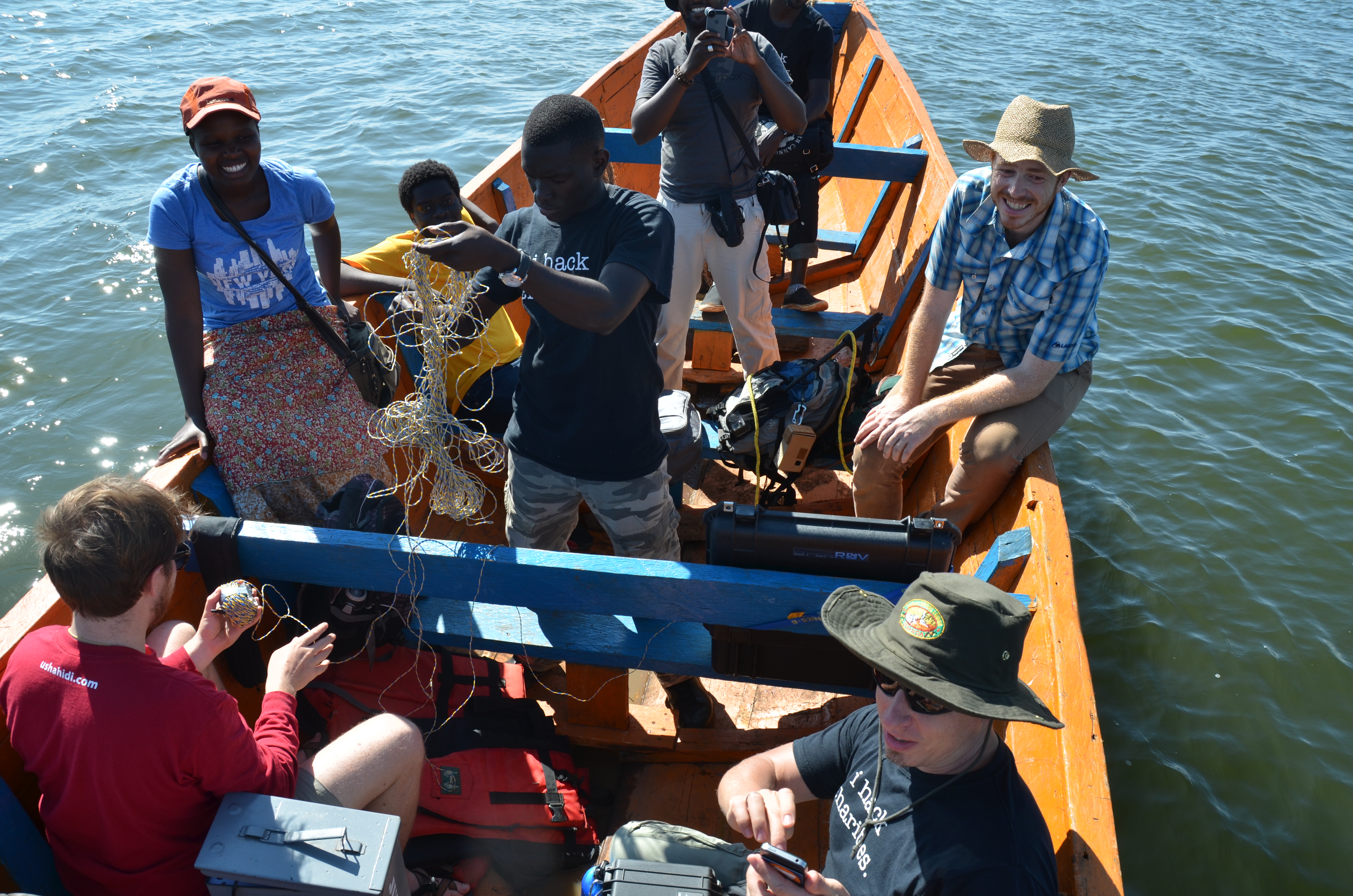
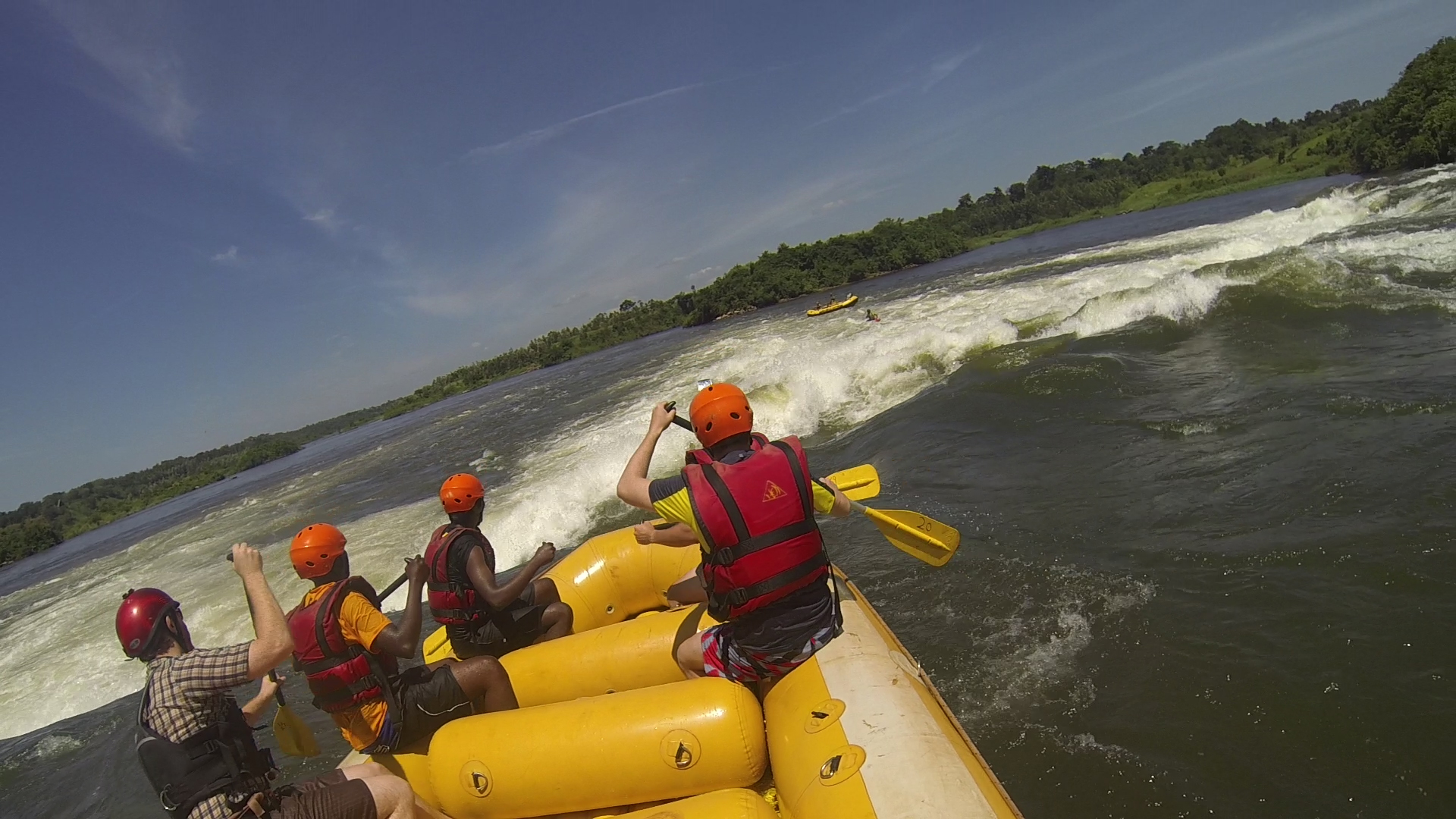
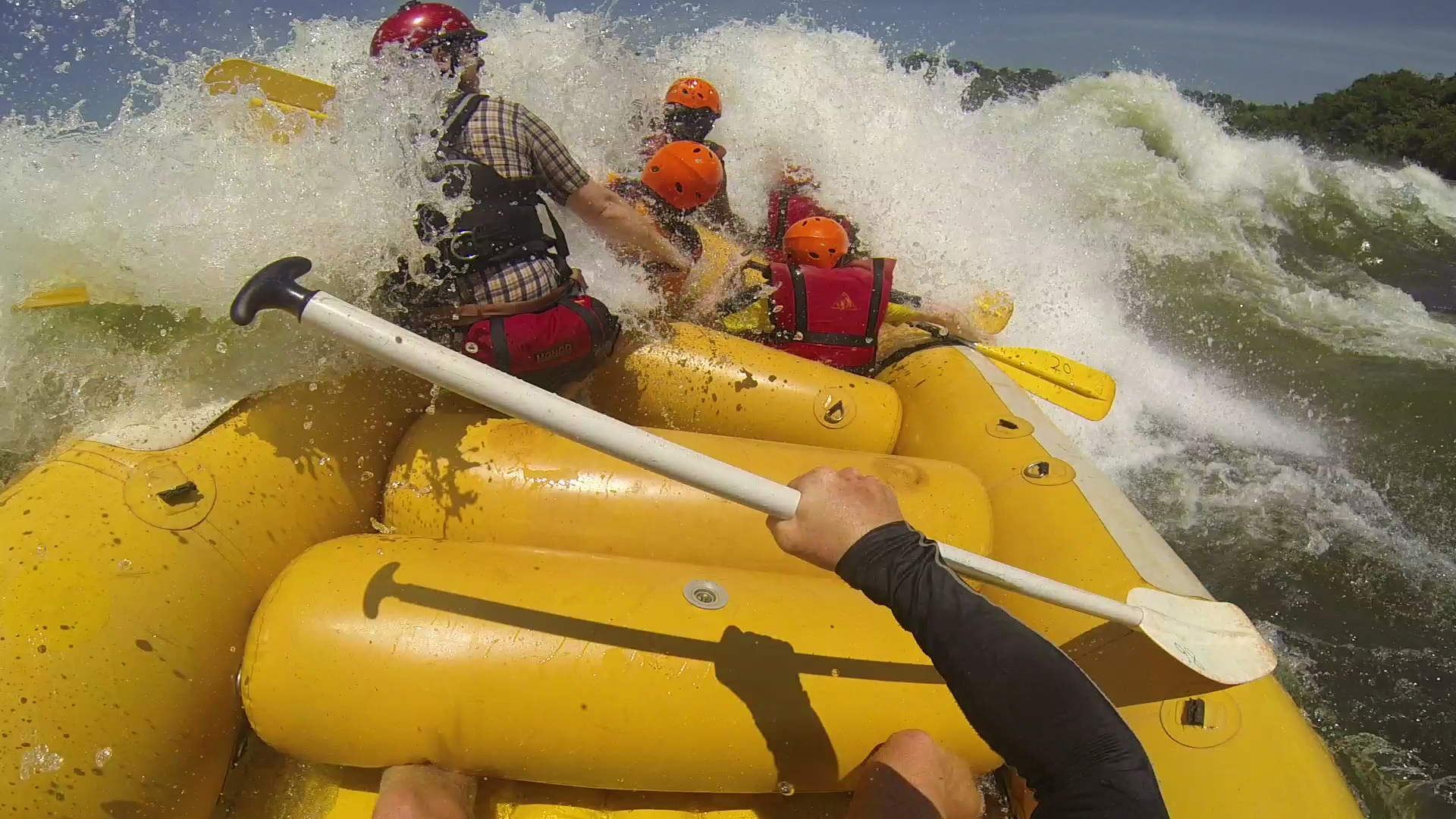
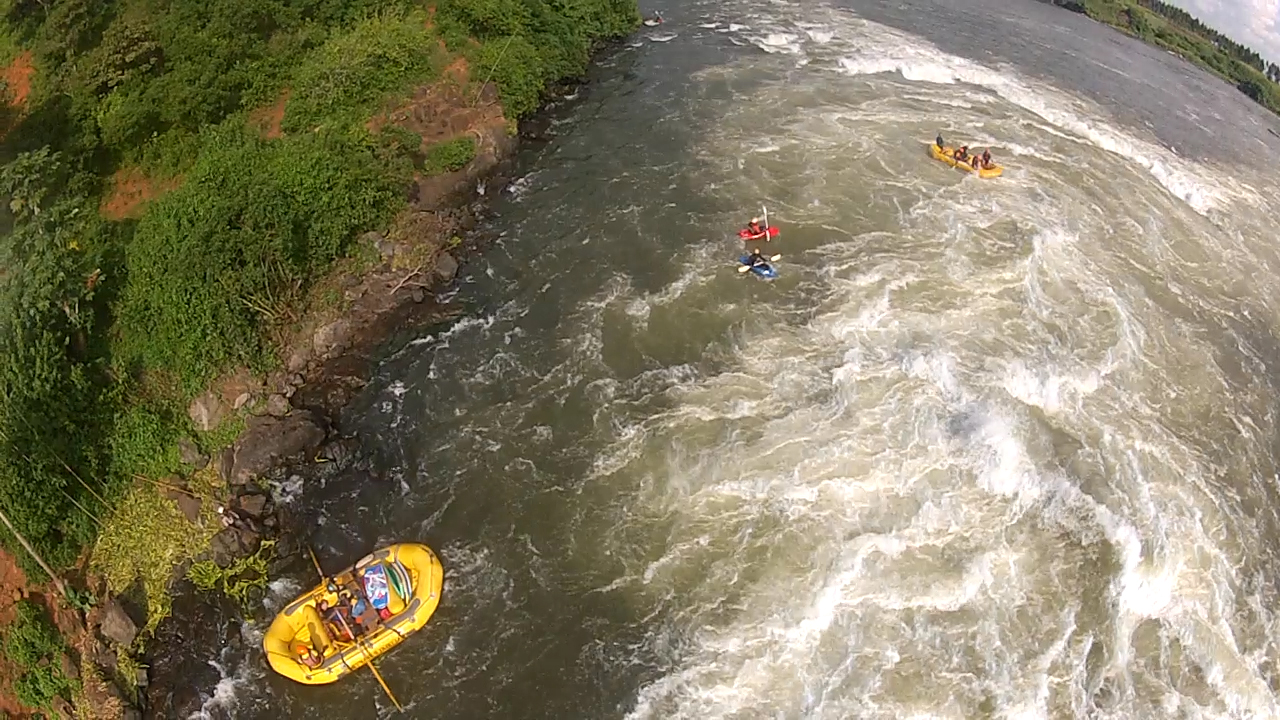
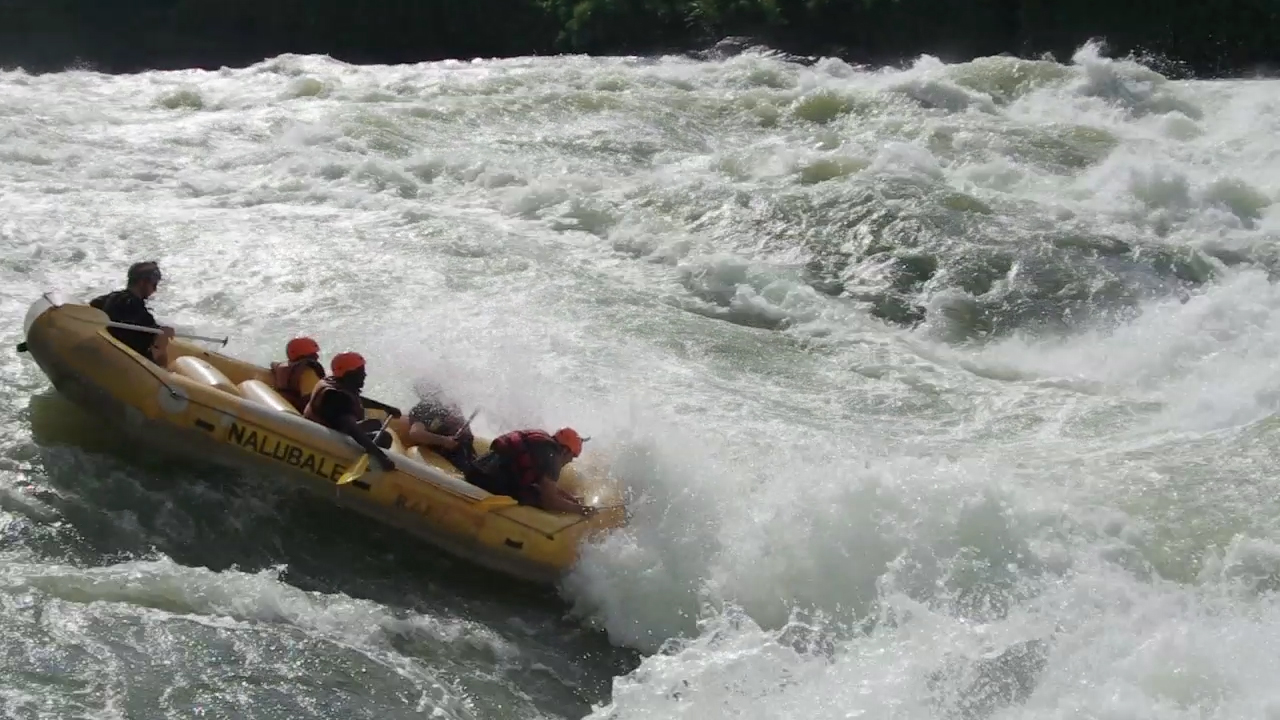
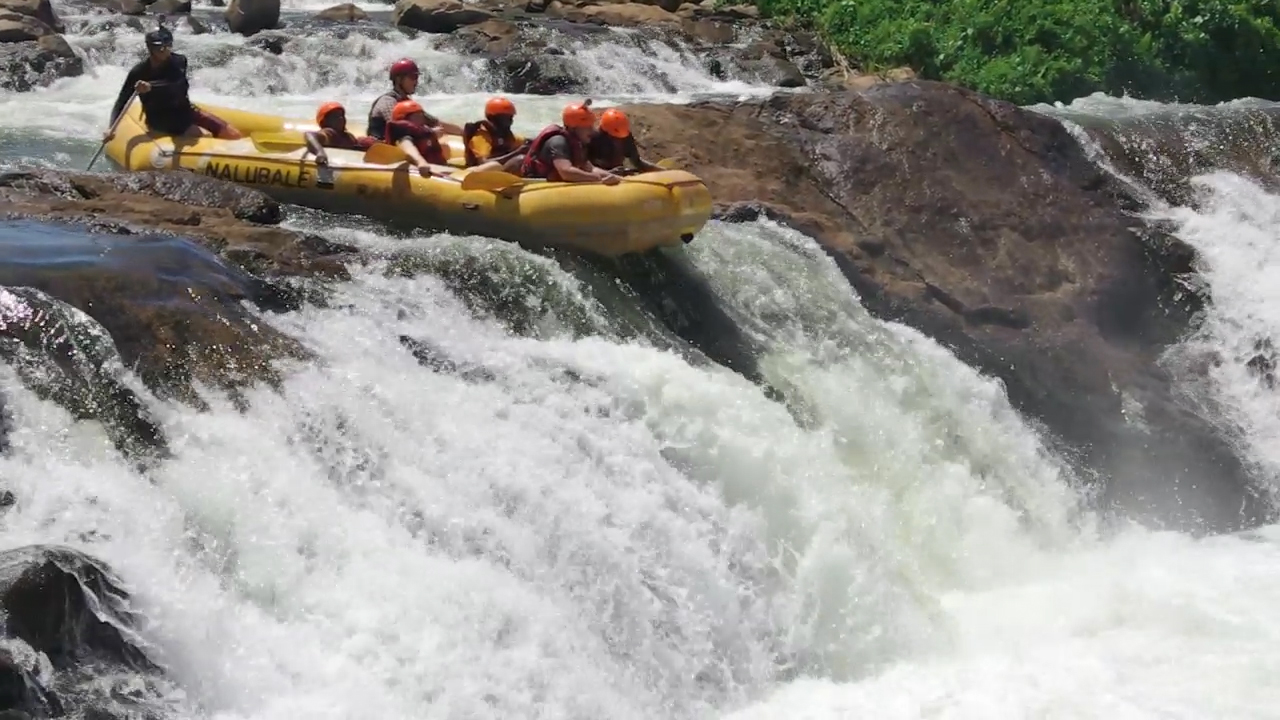
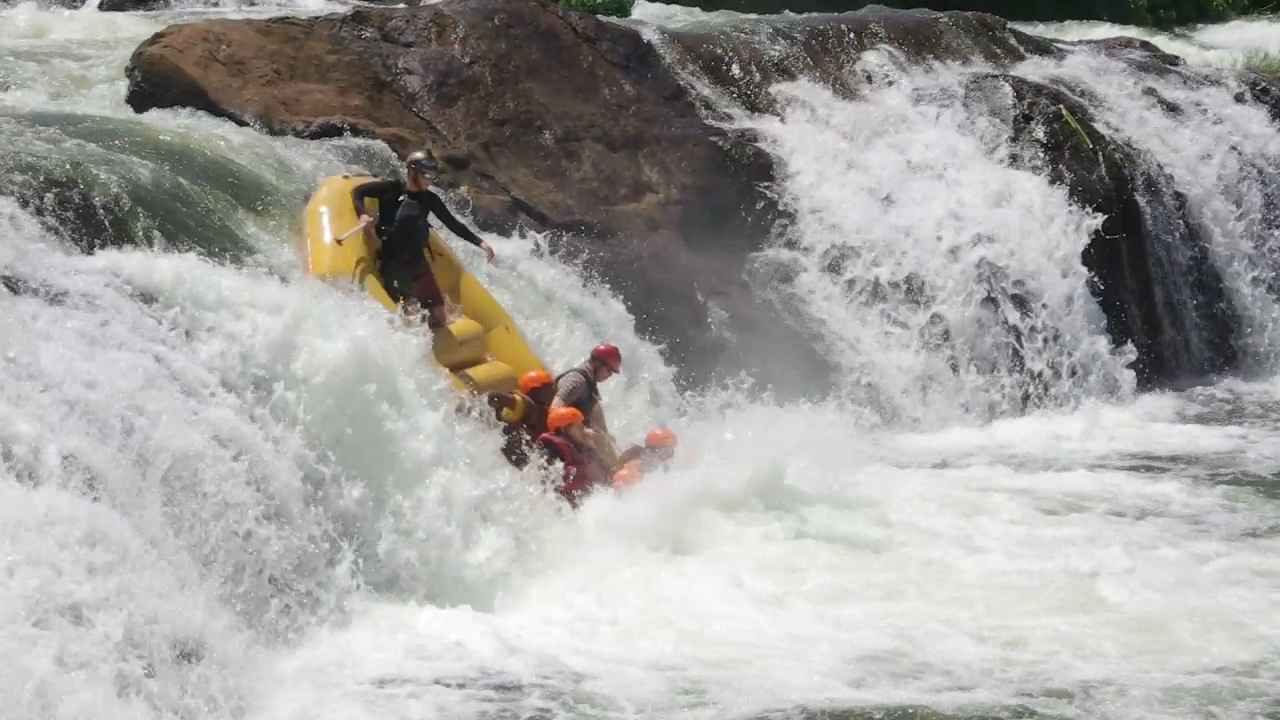
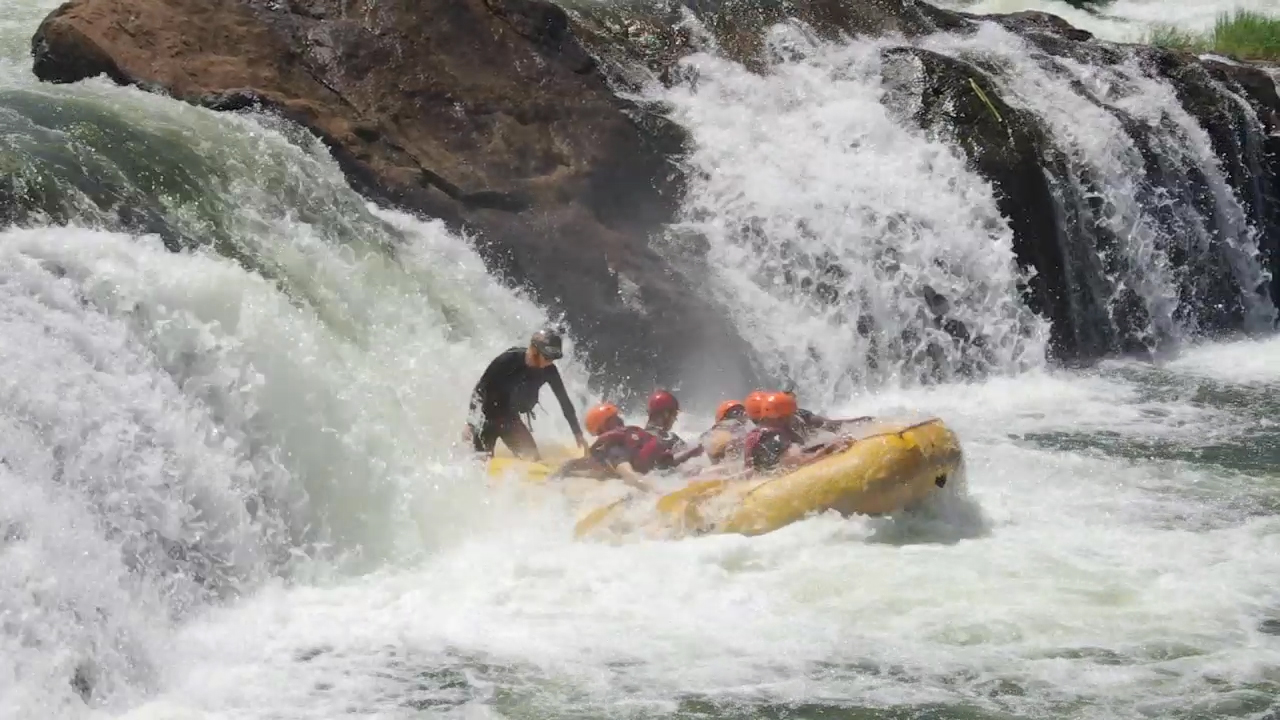
Instead, we opted to run the 30 or so kilometers of the Nile north of Jinja with Nalubale Rafting. Our goal was to get far enough away from “civilization” to test both the BRCK’s connectivity and the GPIO setup. The first day on the water, we hit five major Class IV/V rapids, including a three-meter tall, nearly vertical drop.

Big Hit 1

Big Hit 2

Drone_boats

Drone_hole

BRCK Flag

Big hole

Drop_top

Drop_middle

Drop_bottom

Along the way, we plugged in our MRTR and dipped our sensors into the water. Not being hydrological engineers ourselves, we weren’t quite sure what to do with any data we might collect, but we did learn some valuable design lessons around using the BRCK with the GPIO port (such as the need for a tighter connection between the MRTR case and the BRCK’s body). Ultimately, the hardware worked great, but some work remains on the software side to view our data on the web. We’ll be working on these tweaks and incorporating them, along with a means to visualize data fed through the port, into future updates.

Sensor dip

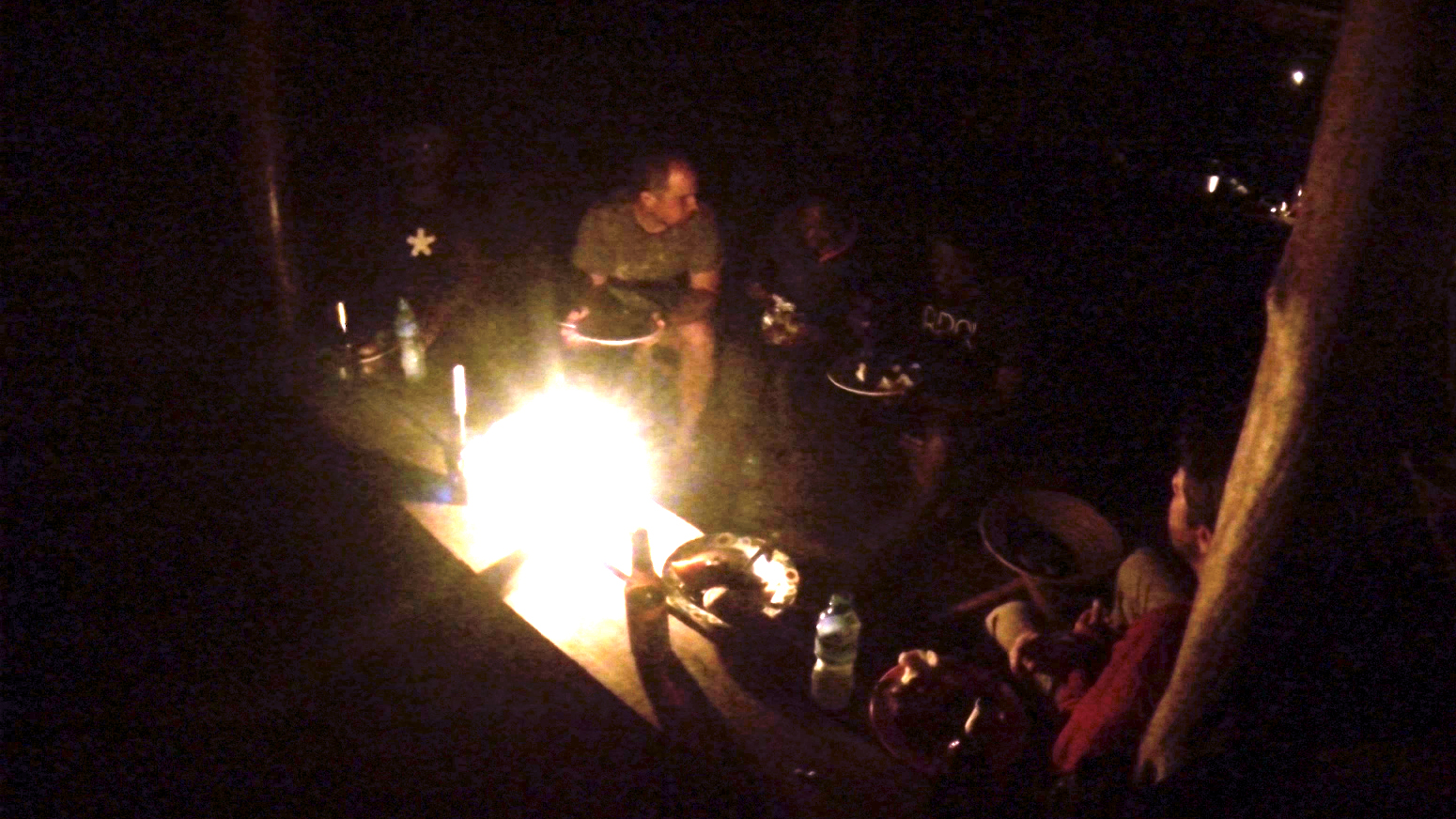
After a hard day of paddling (and no small amount of swimming, only some of which was involuntary) we found ourselves at our campsite overlooking the river. It’s hard to imagine what this place will be like in 10 years. There’s nothing quite like eating dinner around the campfire, away from the constantly connected buzz of the city to make you appreciate the stillness of the wild.

Campfire

As an expedition tech company, believe me, we get the irony. We still believe sharing these places before they disappear is the best chance we have for preserving them. There are far too many people who will never get to raft the source of the Nile, but we hope we can build a platform through which many more can experience it, if only vicariously.

Sunset

Going deep with openROV

BRCK has a great relationship with the folks over at openROV, the creators of underwater exploration robots. They set us up with one of their units and we jumped at the opportunity to test it on our expedition to Uganda.

The openROV is a low cost, open source platform that creates some pretty great opportunities for underwater exploration. Since both the hardware and software are open source it allows all the members of the openROV community to get involved in improving the design. The extra long cable allows for exploring areas deeper than one can scuba dive while the on-board camera provides a first person perspective while operating the openROV. Read more about it at www.openROV.com.

The standard configuration uses an Ethernet and USB cable to connect to a communications module which connects to the openROV via a 100m long pair of wires. The BRCK provides both those connections so that got us wondering if we could WiFi bridge to a BRCK connected to the communications module.
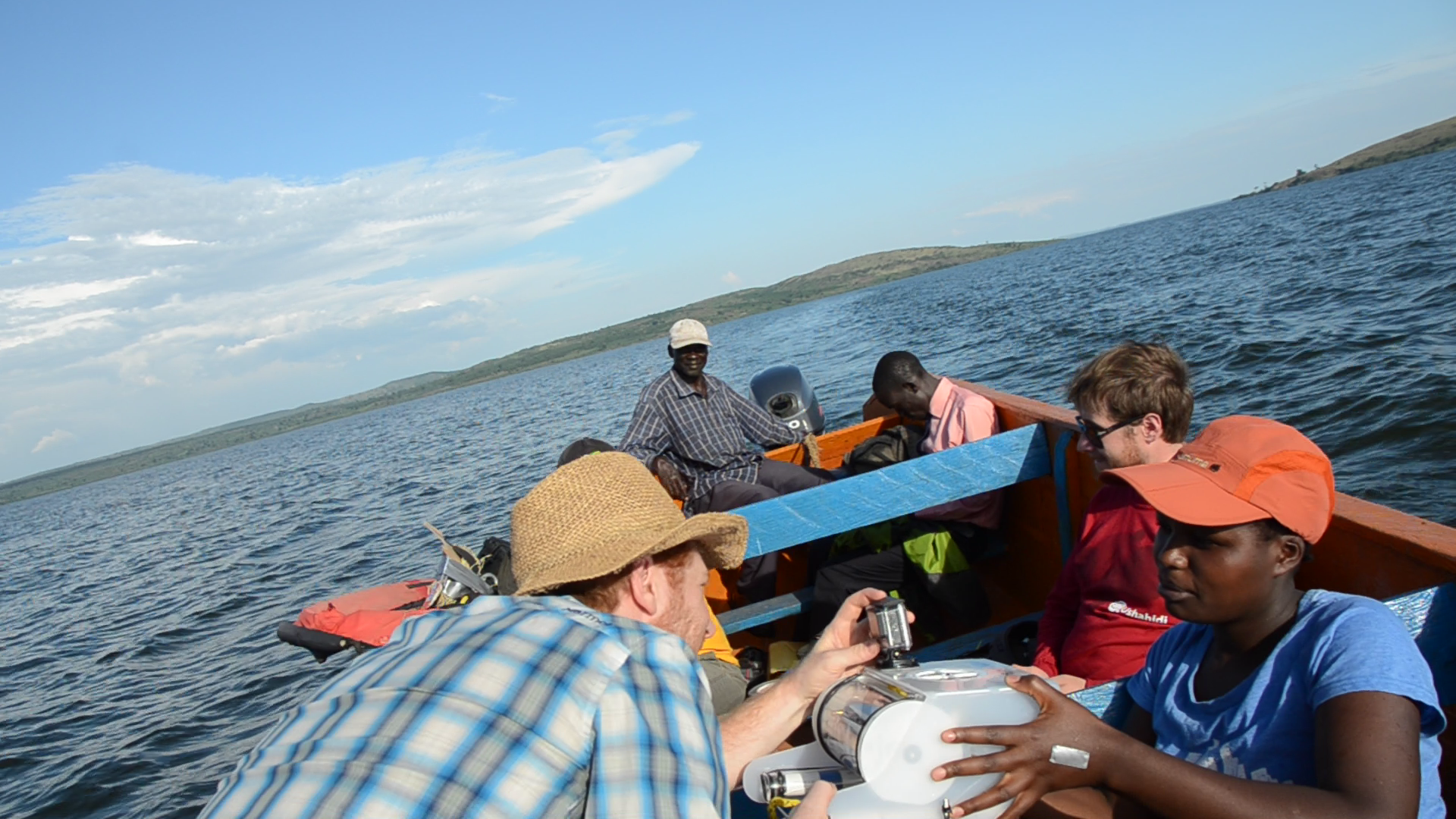
The openROV unit only arrived in Nairobi 48 hours before we left for Uganda so we had to wait until we got to Uganda to start playing around. Unfortunately we did not have any software developers on this expedition. What we did have was Johnny Long, a professional hacker with 15 years of experience and many, many connections to other hackers (in this case Rob Fuller, aka Mubix).  Within an hour of explaining the idea to they had the BRCK reconfigured to be a WiFi bridge to the openROV. We were all smiling like it was Christmas morning as we loaded the openROV Cockpit and saw the first video from the robot’s camera, made the motors spin, lights turn on and flashed the lasers – yes, the openROV comes with lasers!

DSC_0084

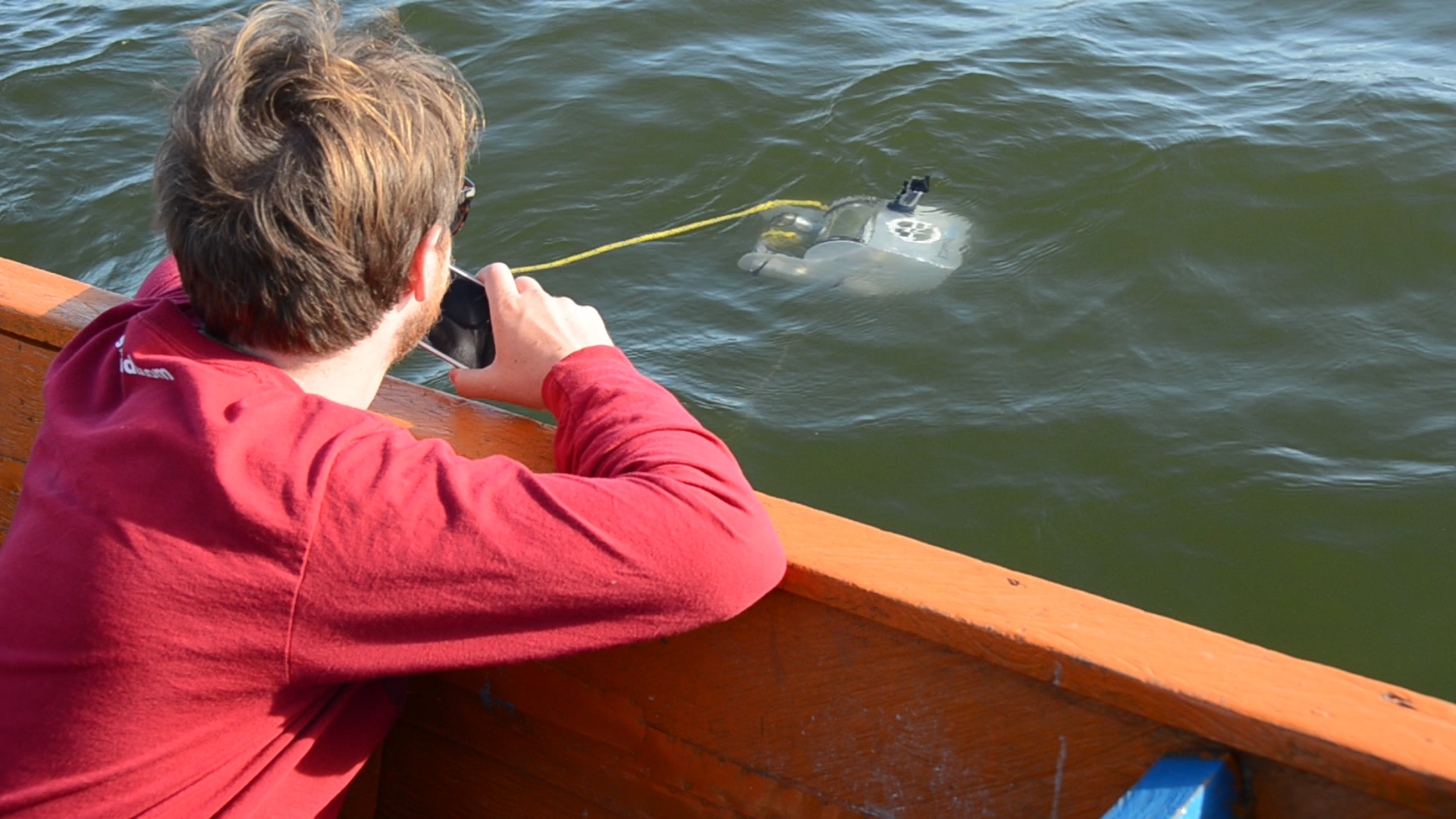
The idea was that the BRCK and the openROV communications module could float in a Pelican box at the surface of the water with the control cable going down to the openROV. With that configuration the laptop simply needed to be anywhere in WiFi range of the BRCK and we would be good to go.

Testing it out on the water was not without its issues. With the late arrival of the unit we did not have enough time to properly ballast our unit ahead of time. The weights we had with us (carabineers and Land Rover lugnuts) were either too light or too heavy but eventually we got it approximately weighted.  And, while the 100m wire potentially allows for some great exploration, it also means that some wire management is required. We spent about 45 minutes bobbing up and down on Lake Victoria dealing with wire and getting it wrapped properly around a piece of cardboard so we could do some testing. However, in the end we did get it sorted out and running in the water.

DSC_0503

vlcsnap-2014-11-10-22h38m27s167

vlcsnap-2014-11-10-22h39m41s165

vlcsnap-2014-11-10-22h40m45s74

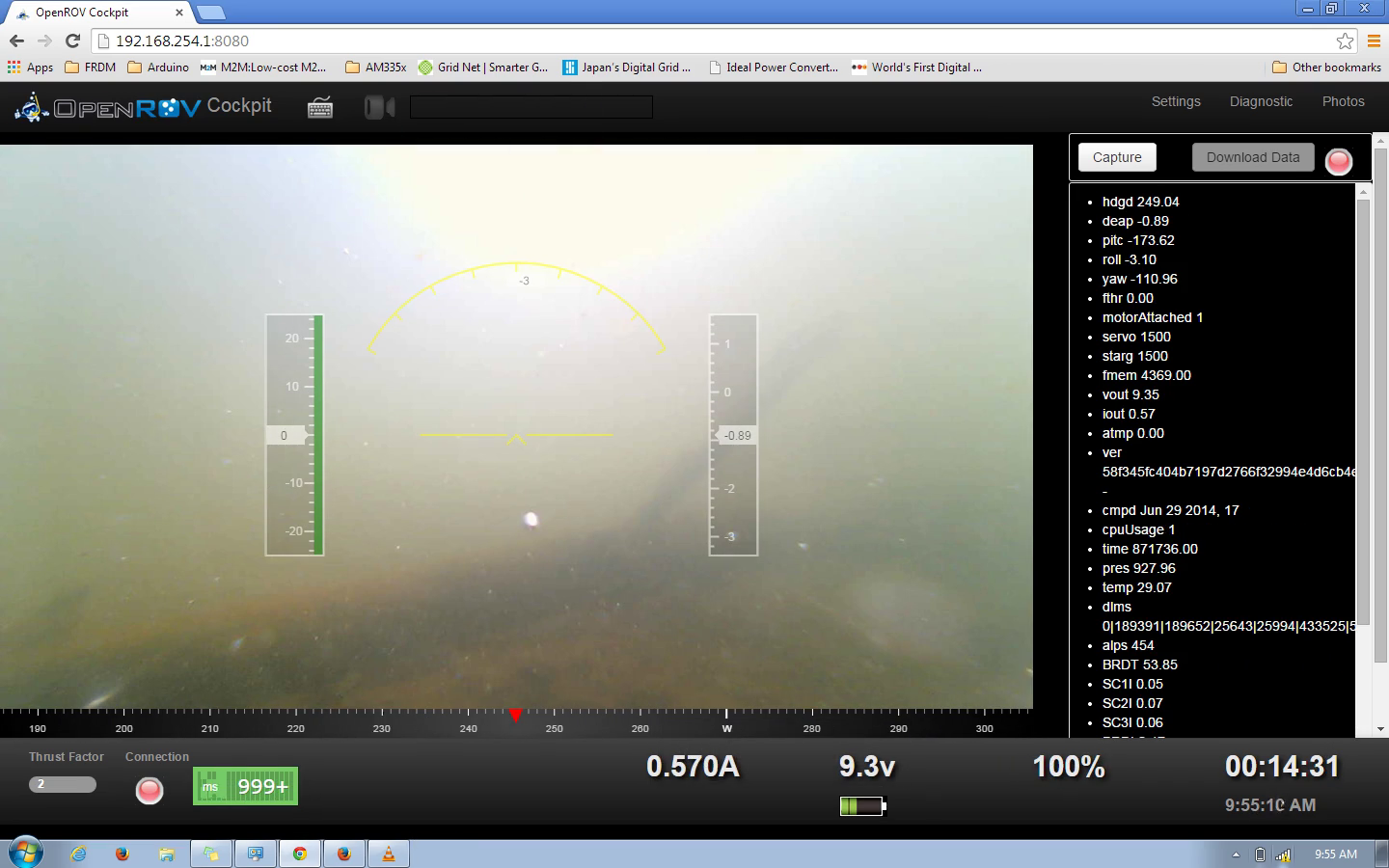
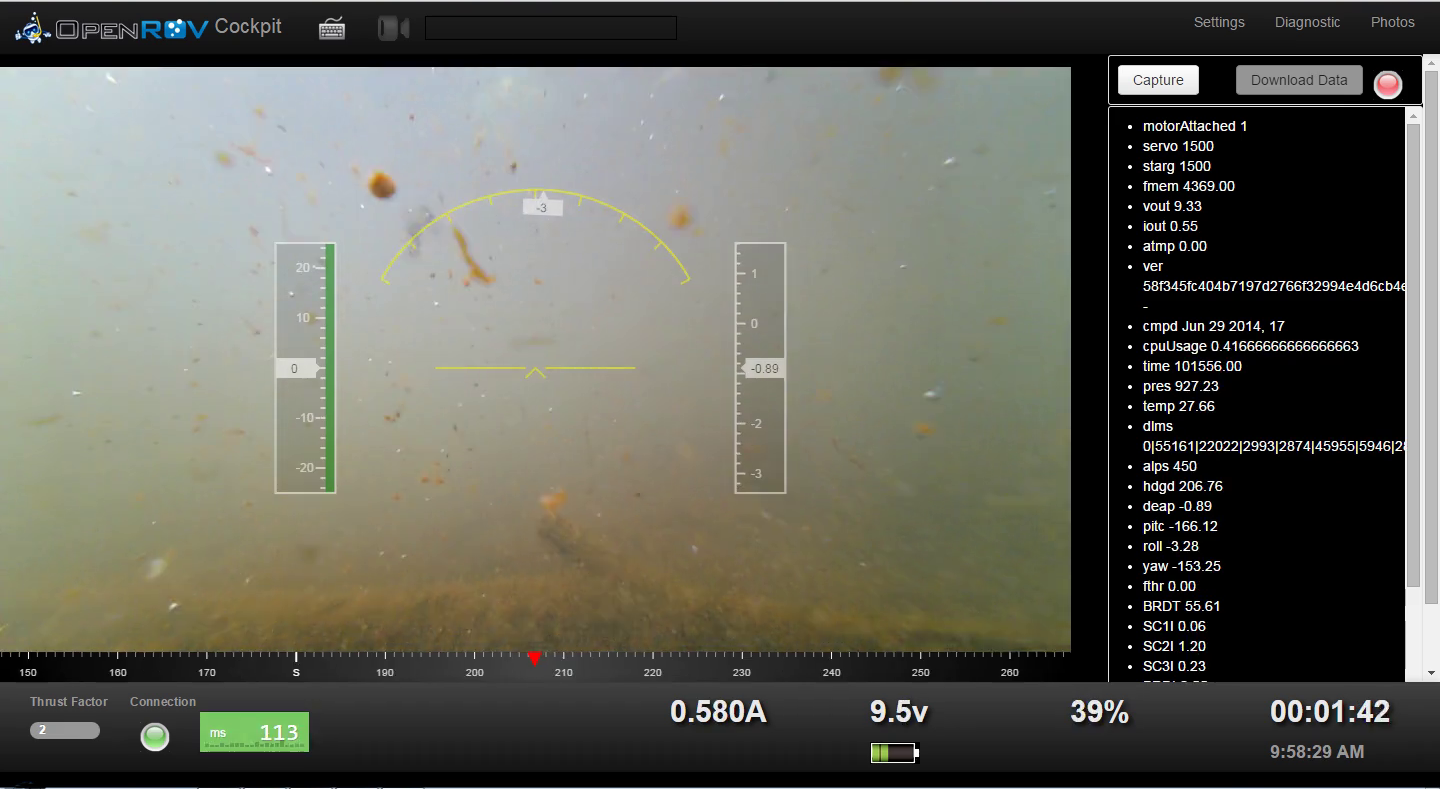
We also were able to test it a bit on some still sections of the Nile; almost certainly the first for an openROV unit!  Here are a few screenshots from the cockpit.

vlcsnap-2014-11-10-21h55m13s163

vlcsnap-2014-11-10-21h52m33s85

We recorded our whole trip with OpenExplorer, an awesome platform for tracking and publishing self-made adventures of any sort.  You can see the whole timeline at https://openexplorer.com/expedition/brckexpedition2014.  OpenExplorer provides a very intuitive interface to publish updates and media generated during trips such as these. So whether you are hiking the West Coast Trail, exploring shipwrecks on the Amazon or rafting the Nile I would highly recommend having a look at OpenExplorer to let others know what you are up to.