It Takes a Village: The Importance of Metis for Metrics

A question we get asked often at BRCK Education is about data supporting the effectiveness of our work. Potential customers, donors and investors want to know what metrics we use and have to verify that the Kio Kit improves learning outcomes.

The truth is that the Kio Kit doesn’t have any impact on learning. The Kio Kit without education content is just really cool hardware. The metrics buck really stops with our digital content partners and teachers. Whether a school/teacher decides to use the Kio Kit to teach literacy using the Tusome, eLimu or Jolly Phonics content is what might determine the learning outcomes at that school.
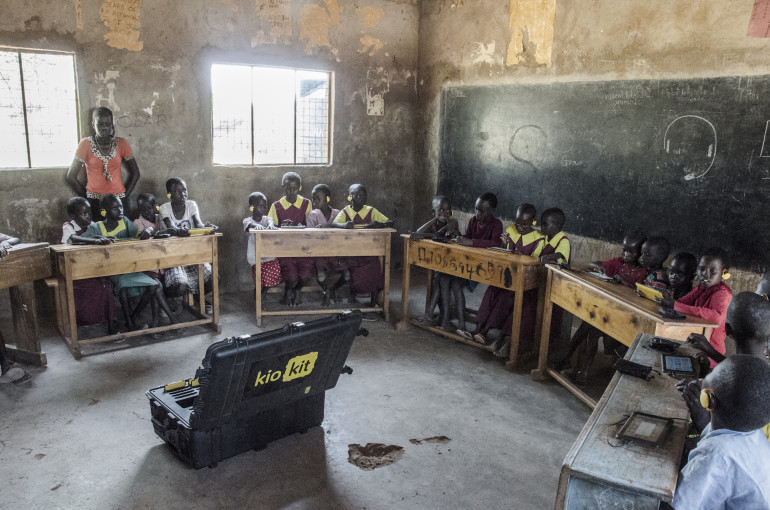
This was taken the first time we were in Kiltamany, Dec 2015

The Kio Kit is not at all prescriptive in how we expect all teachers to use it in class. We believe that the Kio Kit is a toolbox with several tools inside it. Which tool is used, when it is used and how it is used should remain the decision of the person who knows the students best: their teacher. In some cases, we have curated a collection of standard content, but when we deploy Kio Kits to the Solomon Islands or Mexico, we have no say in what content the kids there will consume and interact with.

But metrics are important. It is important Kenyan primary schools talk about the KCPE results. It is important that we know literacy levels of students. They say numbers don’t lie, but we all know people who lie have used numbers. If there’s a measurable school reform intervention that worked in inner-city DC, it does not mean it will work in Samburu. This is where metis plays an important role.
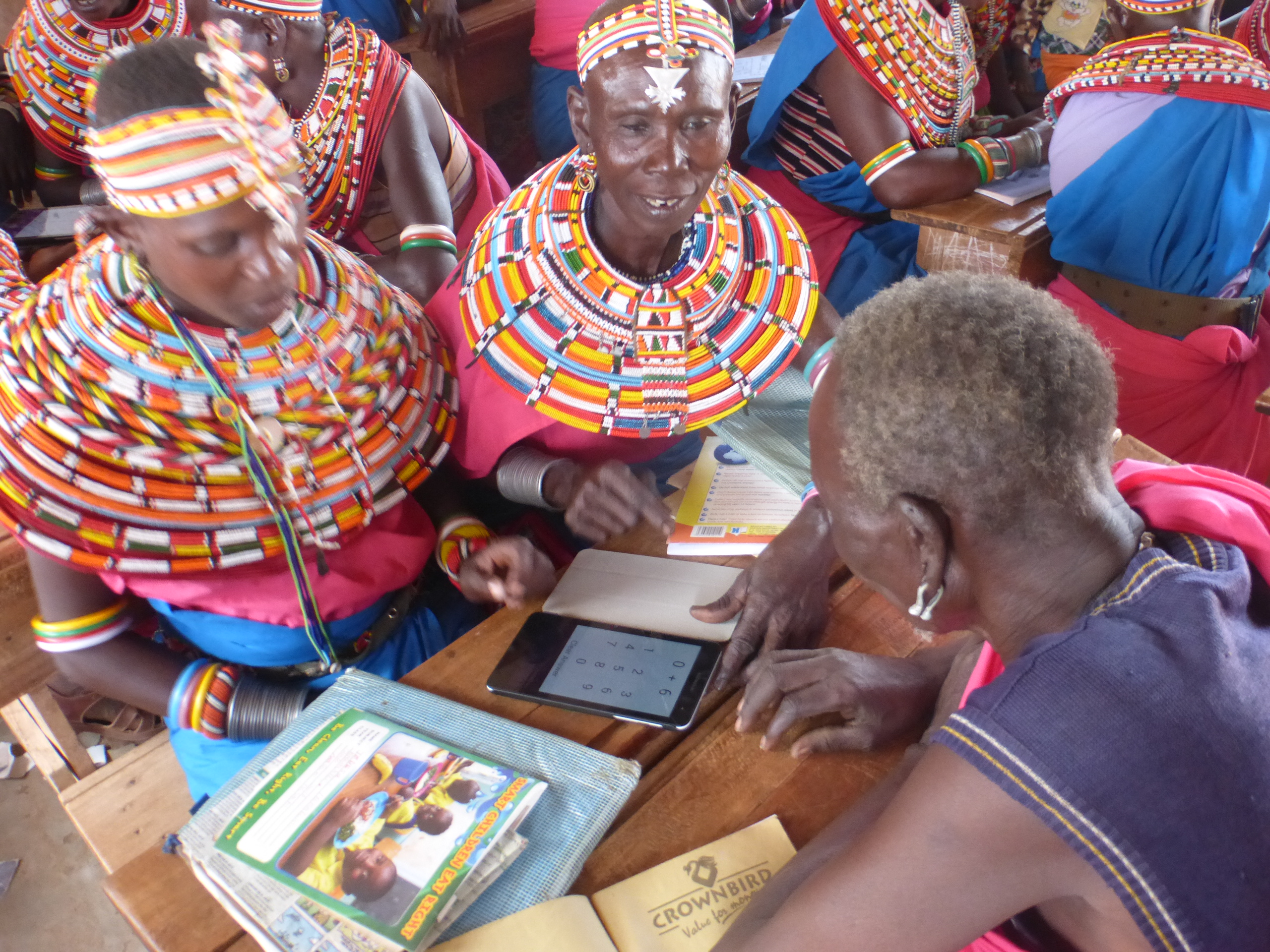
It is not just children who go to the school It is not just children who go to the school

In Greek mythology, Metis was the personification of deep thinking, knowledge and wisdom. The Kiltamany expedition was 7 days without running water or electricity; a school in the middle of nowhere, forgotten by the government, politicians and most.

Some of the challenges we observed while we were there:

  • 4 teachers and 1 headteacher were allocated by the Teacher Service Commission to this school with 8 classes.
  • Teachers were from Meru, Archer’s Post, Nairobi. Most were not happy about being posted to such a remote school, far from friends, family, amenities and a social life.
  • Teachers were not tied to the local people in any way.
  • Teachers were often absent and sometimes drunk during class.
  • Most classes we observed during our time there did not have a teacher present
  • Students were also often absent. Parents viewed school (especially with such teacher absenteeism) as a waste of time – taking care of the goats was a better alternative.
  • Teachers were demoralized by the absenteeism of students, especially the smart girls who were married early.
  • Teachers were demoralized by their low pay and were often seen taking calls during class to “side hustle.”
  • By 11am, it becomes unbearably hot, effective learning and concentration become near impossible.
  • If the borehole of the village dries up, children are sent to get water for lunch from elsewhere. One day, the children waited till 4pm for lunch – for many it was the only meal they would eat.
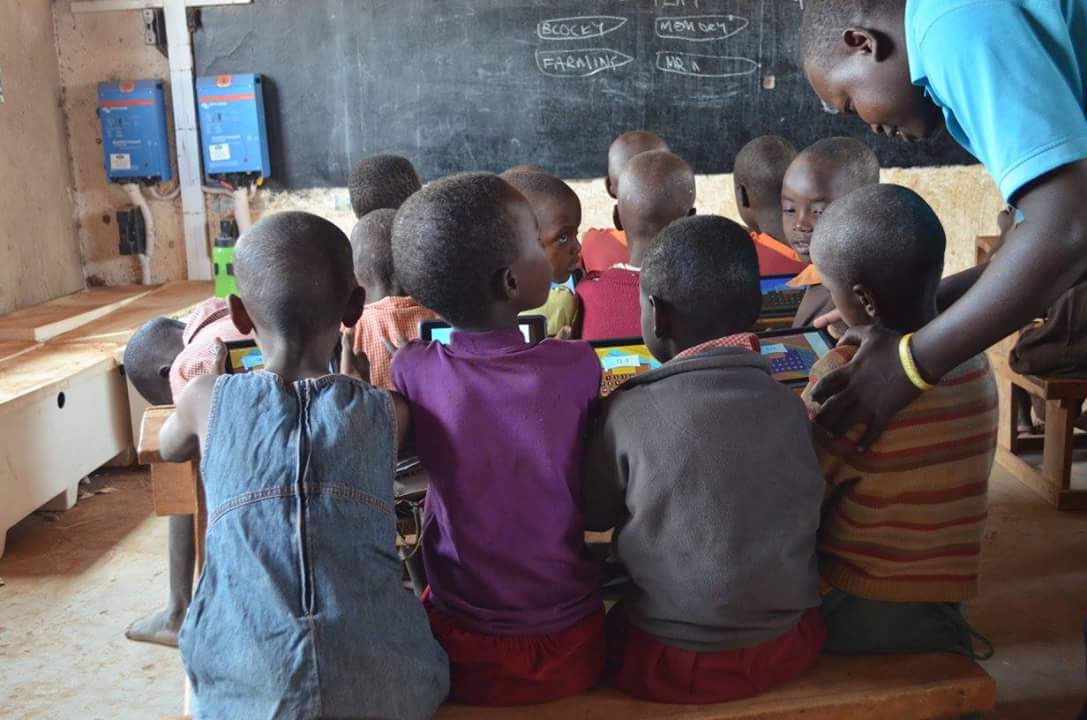
FB_IMG_1473768041183

Some of the challenges were surprising, others are pervasive everywhere in Kenya. What learning from metrics can we apply in a school like this? What we saw working in the school were some excellent instances of local knowledge and community leadership: metis.

Meet Sylvester Lengamunyak, an amazing example of metis. If anyone knows what is needed to transform Kiltamany Primary School, Sylvester does. If anyone is able to connect the dots and make those things happen, he is. If anyone is able to bring all the right stakeholders together, he is.
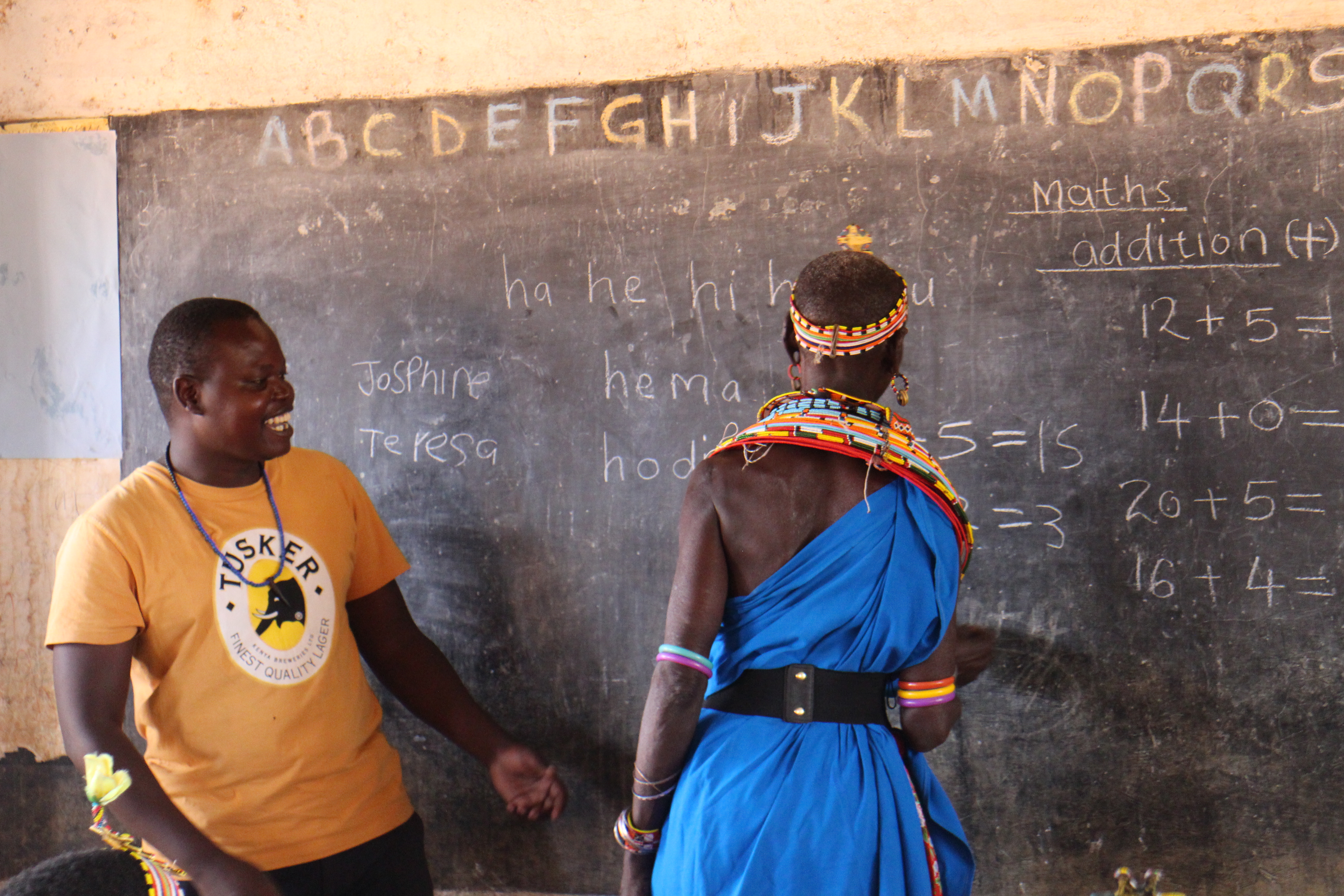
Sylvester (L) is also a teacher! Sylvester (L) is also a teacher!

While were there, we saw Sylvester:

  • Call a meeting of village elders, the school Board of Management and the teachers to agree on the way forward. Each group stood up and owned responsibility of what they needed to do. These agreements were written and signed by all.
  • Organize for water to be fetched from Intrepids Tented Camp when the borehole was dry. He had a good relationship with the kind manager there, they also sold us some diesel and checked our tires.
  • Organize for boda rides for teachers, volunteers, patients and visitors.
  • Organize for 40 women to have literacy and numeracy classes 3 times a week. This involved approval of the elders, their husbands and the school for the facilities.

Deep local knowledge, empathy, passion and purpose are the things that bring people like Sylvester, content like eLimu’s and hardware like the Kio Kit together. It takes a village to gather their collective strengths and knowledge, to strategize and work together to build a culture of genuine teaching and learning.
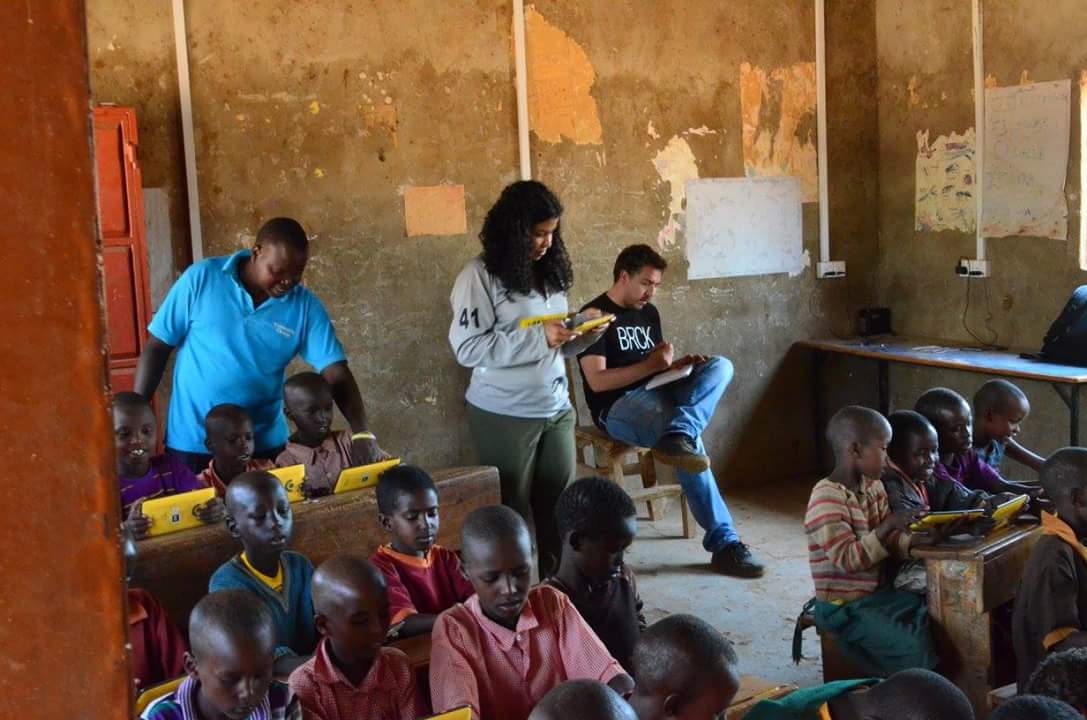
An important lesson from Samburu: the best herders are at the rear of their flock. L-R: Sylvester, Nivi, Edoardo. An important lesson from Samburu: the best herders are at the rear of their flock.

Recommended reading: “Metis and the Metrics of Success” by Ernesto J. Cortes Jr.
Beyond the Technology There’s Always a Community

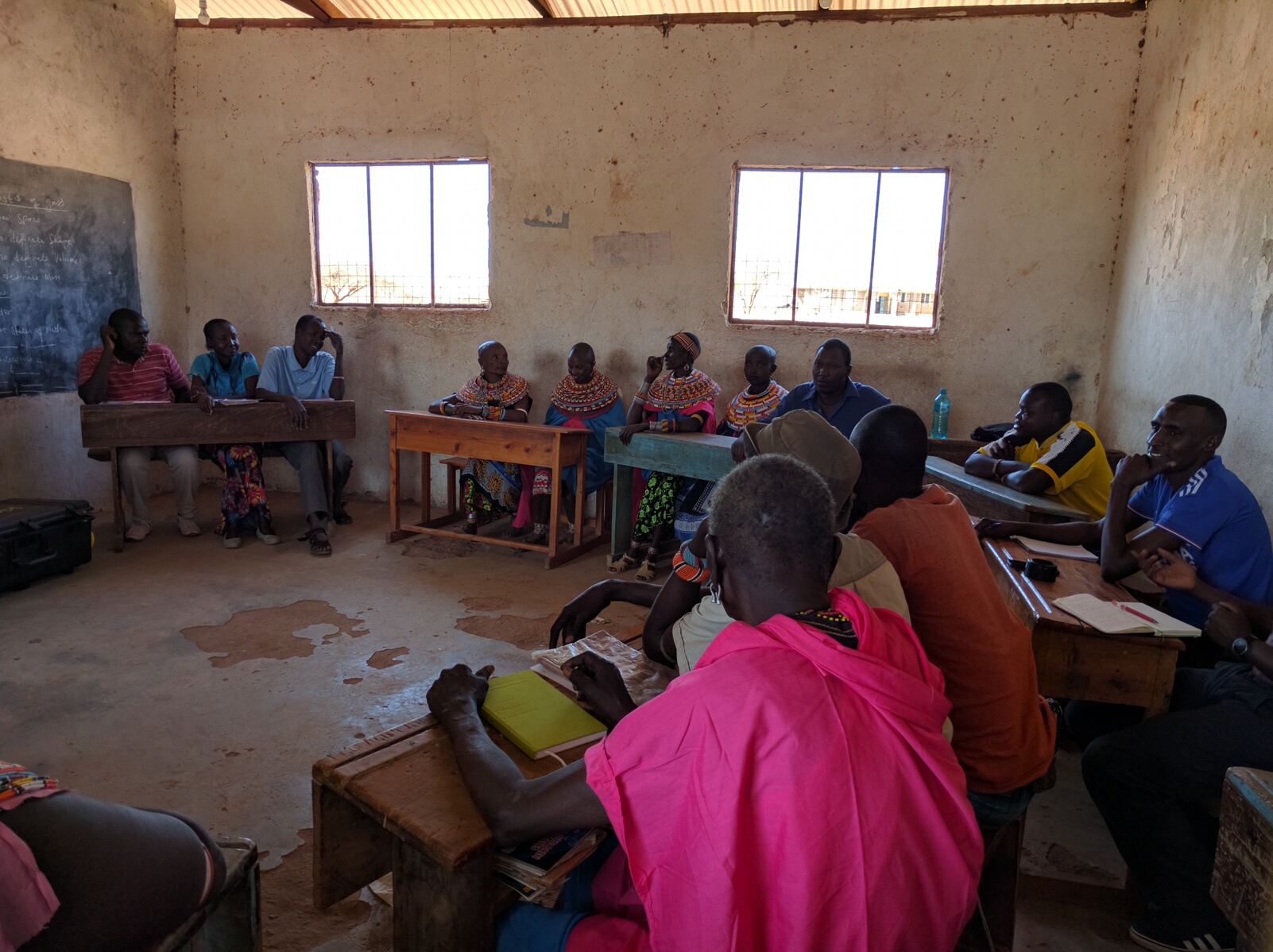
We started early in the morning on the third day at Kiltamany and we were all late. As soon as we arrived at school, we started the meeting with the teachers and tried to get a picture of their challenges: what you do like, why you decided to be a teacher, what you don’t like, what are the problems you see.

After few hours we had a meeting with both the community council and the teachers: everything was entirely in Swahili and Samburu language, so I had hard time understanding what they were speaking about most of the time (my Swahili is far from good), but thanks to the patience of my colleagues, I managed to understand everything eventually.

IMG_20160904_102611

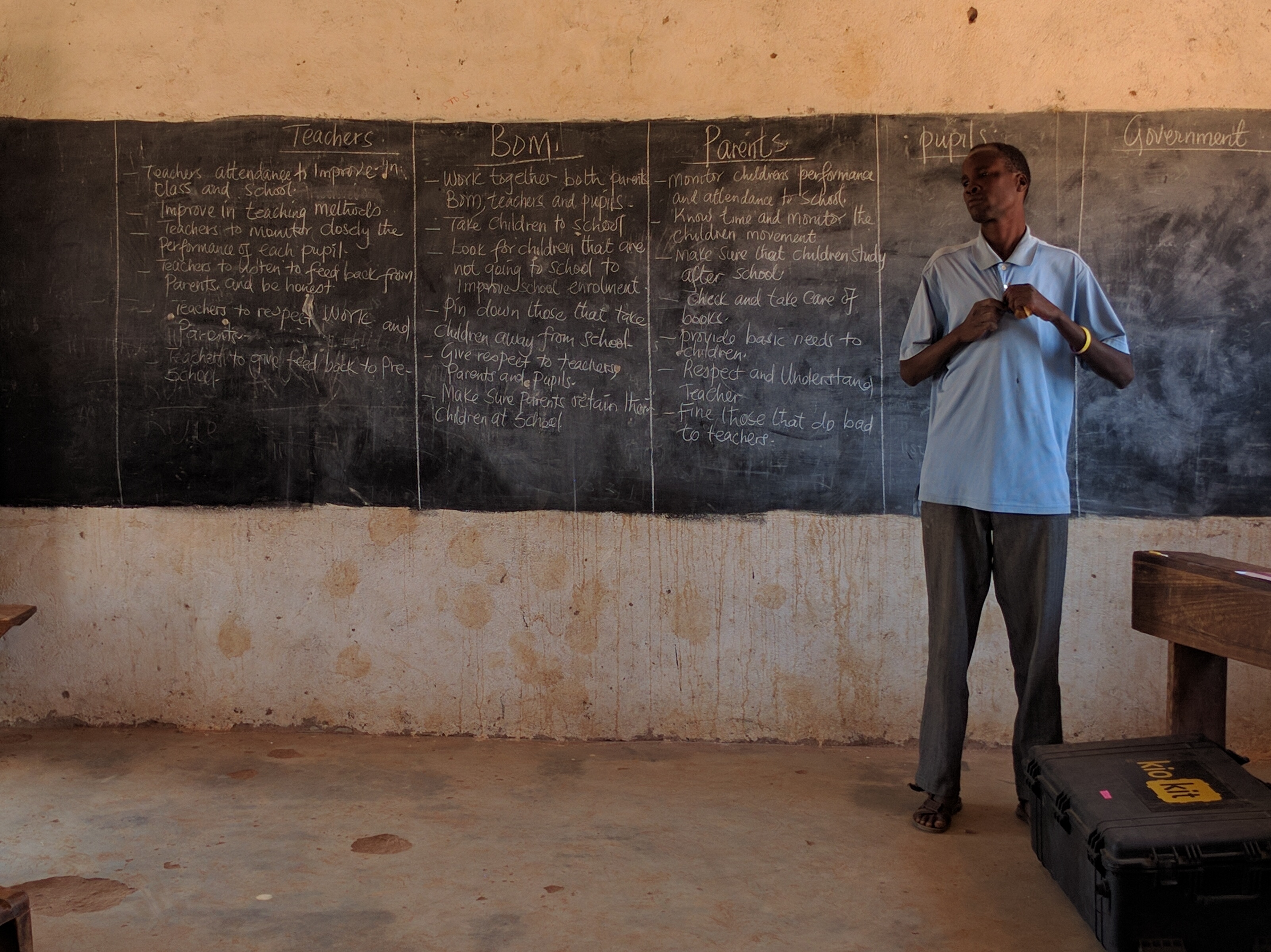
Most of the discussion was almost a fight between community and teachers: each of one of them argued about the role and the other’s responsibilities because of the poor performance of their pupils and children. Long story short, we discovered that according to culture your child either goes to school and performs well, or there’s no need for the child to be in school, so he or she starts working very early in their childhood.

If their children don’t go to school, they will obviously perform badly. The teachers are not engaged because pupils perform badly, if they don’t attend class. If teachers perform badly, then the pupils can’t get a good education and, again, they will perform badly at KCPE.  Here is the loop you can’t escape, unless everybody takes responsibility.

After few hours of discussion, we all agreed to write a list of things that have to be changed and what each of the actors (parents, teachers, community, government) has to do. This was the most difficult (but interesting) part of the day, because it is beyond technology.

You listen, you understand, you write a list of things together with all the stakeholders: the community, the parents and the teachers. You compromise and you build an initial framework you can use to make things work. There’s no technology involved, neither is there a product built. From this point you start to think how technology can improve and make things happen efficiently and faster.

IMG_20160904_115528

What we realized eventually was the lack of framework that particular school has and the possible downsides of a product like the Kio Kit. If you deploy where there’s no framework, you need to build one together with the community before even thinking about starting a real pilot or thinking about making a difference. This was the most difficult part of the expedition: how can you convince the community to keep their children in the school? How can parents be sure that their children are not wasting time on a poor  (and so useless for them) education?

These two questions made us start thinking how we can improve the user experience and the capacity of our Kio Kit to include what some parents want from the education of their children and how we can better track the results of the pupils learning, eventually sharing those with the parents themselves.  We want to build a product that can adapt to every kind of situation, even when there’s no framework supporting the education system.

In technology projects you must not try to change your customer behaviors, not at the beginning at least, but you must try to properly understand your target before you design the product you want to build. Don’t just think about it, understand it, then design it, then test it and re-design if you haven’t included something. We never thought about an environment like this before, where, for example, the Kio Kit can be shared across multiple classes at the same time or it can be used with an autopilot system because of lack of teachers.

Opportunities Change Minds

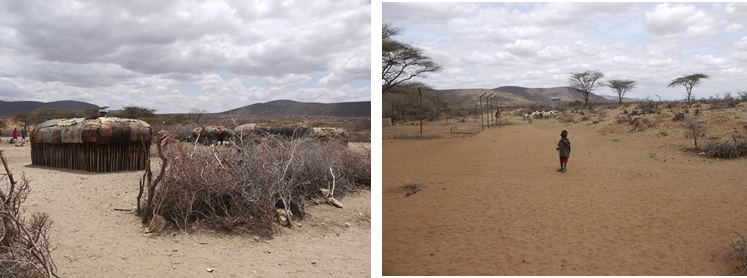
Kiltamany is composed of 10 villages surrounding the Samburu National Park. They are far away from the city, in some kind of deserted landscape, with no piped water and no electricity. Kiltamany Primary School is the only school for the whole community, with around 200 students, scarce chalk and studying materials. Sylvester, a Samburu Junaenda (in his 30s) believes the school is the hope to Samburu people live their lives better, change the way the community think about marrying early age girls and their practice of genital mutilation. In all, offer future generation broader possibilities.

Pasted image at 2016_09_13 11_34 AM

In the Expedition BRCK Team came to Samburu, it was a week of a thousand learnings. I was there just for the last 3 days, and it was already special: feet on the ground, thoughts on the rising possibilities, hope for the future, hands-on, lots of work to be done.

For the three days I was in Kiltamany, there were only 3 out of the 7 teachers present. The School has 8 classes, meaning that on a normal day there is always one class without teacher, and during our time there 5 of the classrooms had no teacher. In spite this, children came every day and were seated in their desks, eager to learn something. Some of them reading or writing, or just doing nothing, until the bell for break ring.

Pasted image at 2016_09_13 11_34 M

This gave our BRCK team an extra job as we were taking turns to be teachers. It was good in one sense, as it put us in the shoes of the teachers (not exactly of course, as I do not have the training nor the content nor speak their languages). I felt the difference of giving one class with the kids holding the Kio Tablets, and another class with no such resources. On the other hand, it was not ideal, as it was important to see how the teachers behave with the tablets, if they find it useful, handy, and simple and if it helps in class.

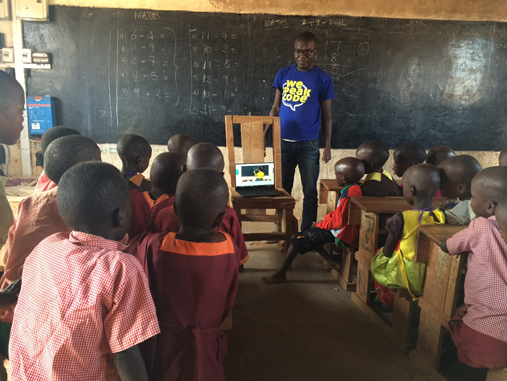
Gordon, from eLimu, was showing the kids their new Swahili literacy app, Hadithi! Hadithi!. Bobo, the app character, was created to do a lot of success among the kids. He tells them story, ask them questions, say enthusiastically his Well done!!!  The kids, on the other side, were sited on their desks trying very curiously to get near Bobo, as he was in Gordon’s laptop (as the app is still not in the tablets).  They were very excited to participate. Each time one kid went to interact with the screen was the most amazing part. There was a suspense in the air about knowing what response Bobo would give.

Pasted image at 2016_09_13 11_35 AM

I went to teach in Class 4 without the tablets and it was a hard job. First my absence of Swahili and the kids’ English. I used a lot of body language and made them come to the board to draw some animals they could see around. They drew lions, sheep, goats, elephants, cows, camels, and snakes. Then, I moved to the body parts vocabulary: heads, shoulders knees and toes. They showed to me that they were learning, and that they knew all the words. However, when I asked some other types of questions, the only possible answer could be YES! YES! YES! They didn’t want to get me sad.

Pasted image at 2016_09_13 11_36 A

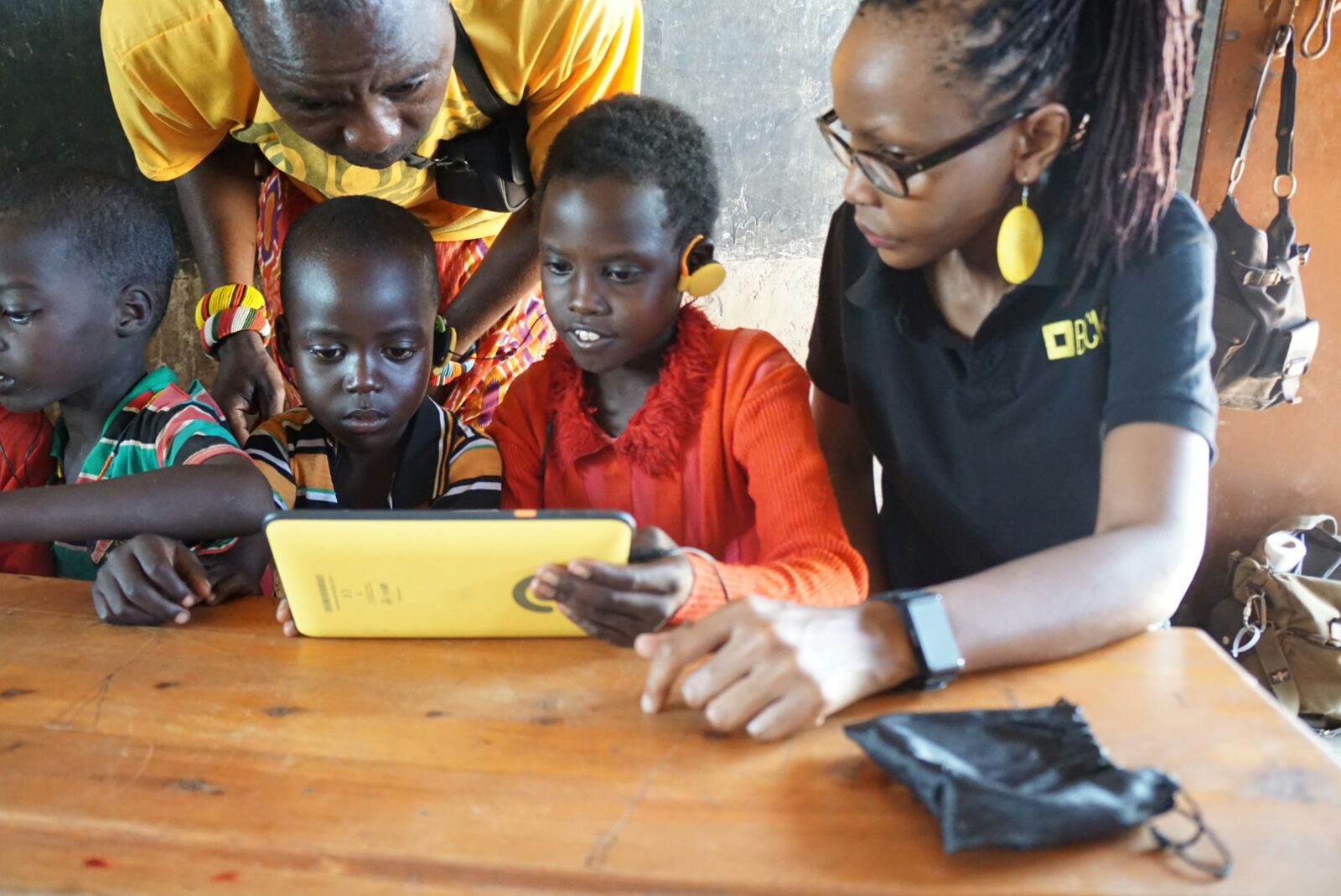
When in class 5, now with the Tablets, it was was amazingly simpler. In this class, the children were calling me all the time to teach them something, and they were really excited to get a mzungu teacher. Their English was a lot better so I decided to read with them some English Story Books from the app. Each of them read one paragraph, just as I did in school. I made some questions about the story and asked them to draw what they remembered.

What I saw the teachers normally doing, is ask the students to repeat the words in the story. They can do this well. That’s the way the teachers usually gets feedback if the kids are learning or not. It’s definitely a harder job to check their comprehension of what was said or read, or if they can put it in other words, but to develop this skill is the first step to build a critical mind. I suppose once there is this feature on the app, with proposed questions for each exercise, or the possibility of the teacher to develop their own questions, students will learn better and teacher will find their job easier.

During this expedition, I realized something I already knew but wanted some proof. The impact the Kio Kits are bringing to this community is hard to be measured, but is huge. All the content inside one small tablet, the opening of possibilities in the children’s minds, interactivity, learning by playing games, curiosity, all this with no connectivity needed. Each time, we are learn of our capability to improve society.

Pasted image at 2016_09_13 11_36 AM


BRCK Education Expedition 2016 – Kiltamany

Day 0 comes before Day 1, and what a Day 0, traveling to the Kiltamany!

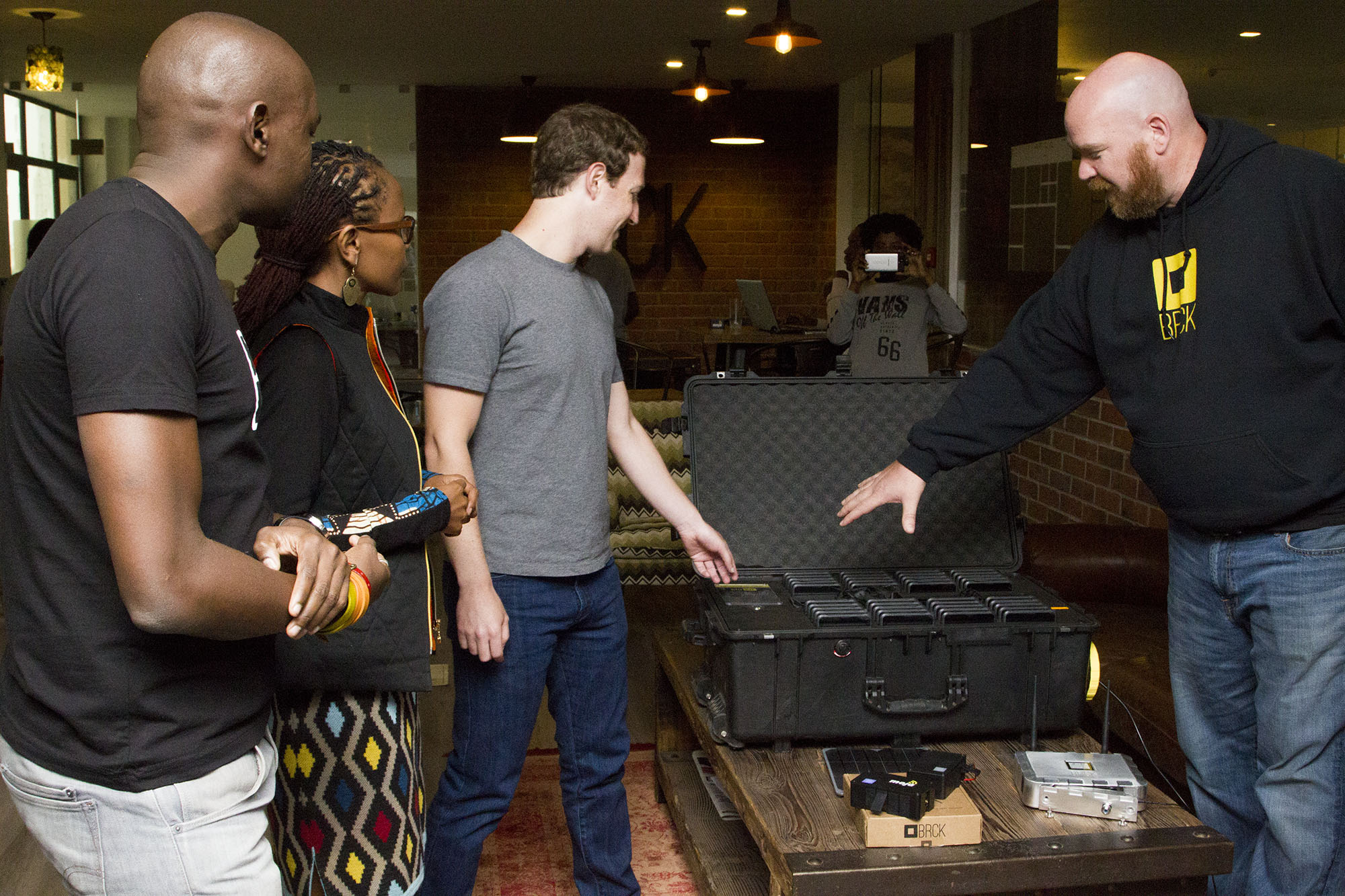
The original plan was to leave for Kiltamany at noon, but that was not to happen. Facebook’s Mark Zuckerberg, passed by BRCK office much later than expected and got the whole building excited. In the process, he took a great photo of himself and our Mark Kamau, with the PayGo/PicoBRCK project, which he posted on Facebook. Of course, BRCK’s Mark suddenly regained numerous Facebook friends, tags, posts and likes – rising to celebrity status. But this meant that by the time Jeremiah, the BRCK Intern, Mark and myself finally rode out of the office, it was 4:45pm! Trying to negotiate the fastest route outside Nairobi, BRCK’s newly, freshly minted ‘celeb’ aka Mark got a thousand times humbled by a no-nonsense traffic cop.

Our surprise guest 😉

Google maps said it would take 7 hours to reach Kiltamany, Samburu County. However, there is a 20km section between Archer’s Post and Kiltamany that weaves through a conservancy full of acacia, lost trails and dry river-beds – an impossible feat in the dark. So we set our goal lower for that day: to reach Bryan’s place in Nanyuki, and proceed to Kiltamany the following morning.

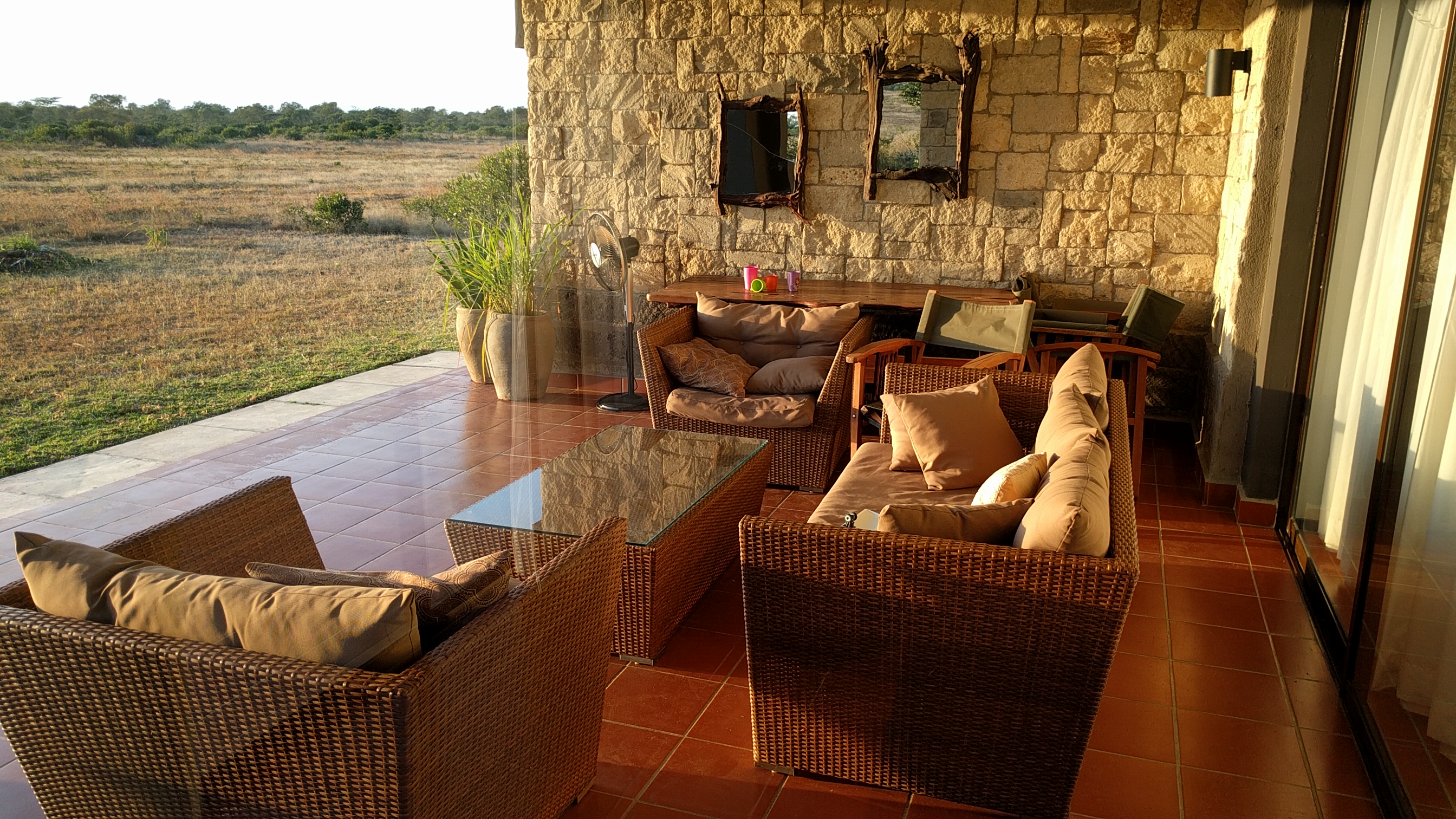
Brian’s Place in Nanyuki

Mark’s hard-driving and google-map-defying navigation, consistently interrupted by homage from Facebook fans, got us to Nanyuki by 9pm. After a night at Bryan’s excellent house in the middle of another conservancy among zebras, warthogs, bushbucks and other wild game, we set off for Kiltamany in the morning just after 7am. The ride to Kiltamany would have been smoother if we had not argued about google maps correctness. Ultimately, there was nothing to argue about once we went beyond existing, data-rich, cell towers!

Inside Kalama Conservancy

We reached Kiltamany Primary school a few minutes after 10pm, and went directly to join Nivi, Edoardo,Elimu’s Francesca. Initially, we distributed ourselves among the 5 teachers classes. Afterwards, Nivi and Jeremiah volunteered to teach some classes, with and without the Kio Kit.

(From Left) Amit, Edoardo, Mark, Nivi and Francesca
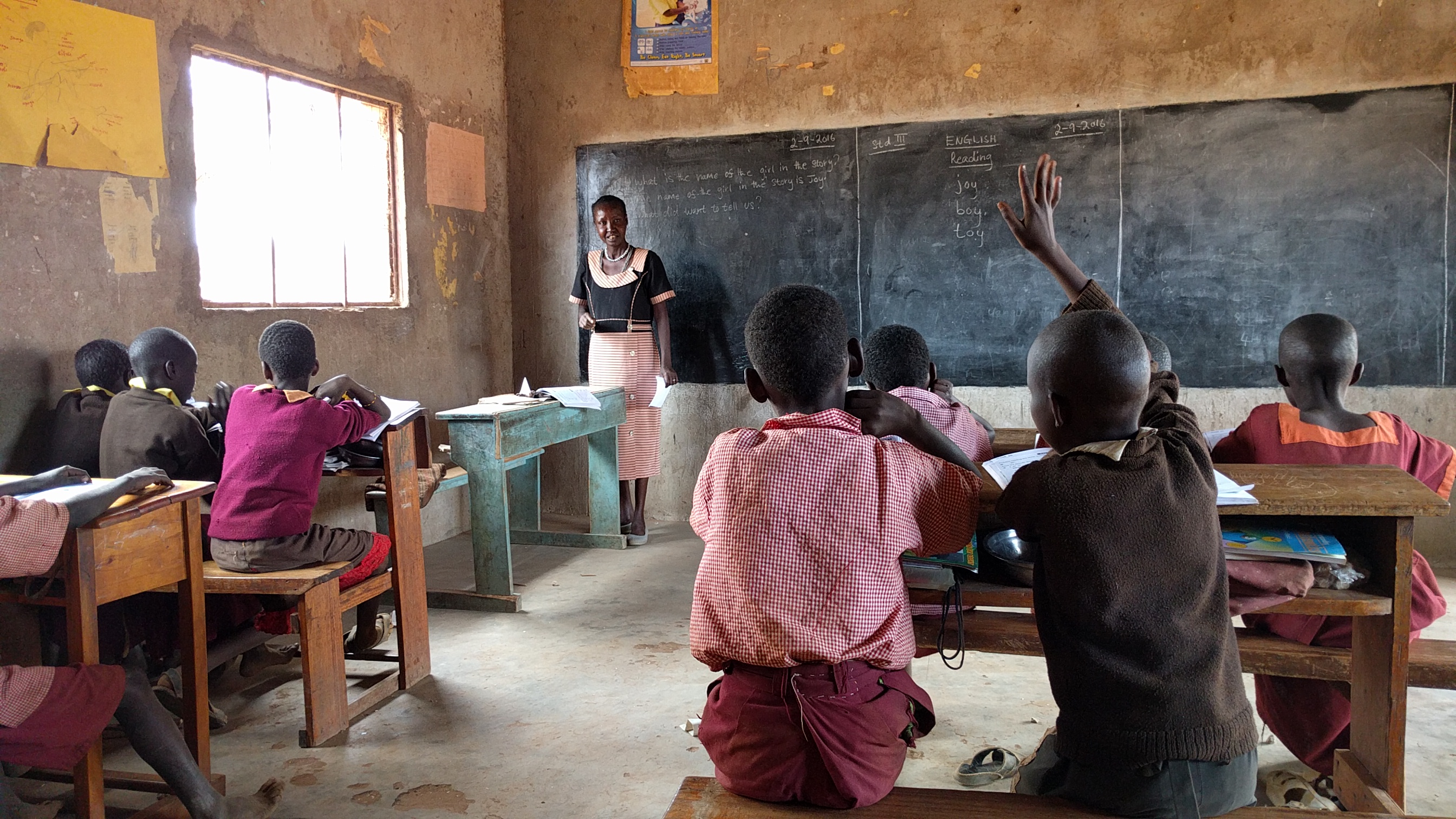
My Standard 8 math class was taught by the head-teacher, Mr Elijah. It was a normal well-taught class, to an attentive 12-some boys. The class was quite interactive. It reminded me so much of my primary school days. However, they appeared way behind in the syllabus, for a class sitting the KCPE in a month. My other class was a group of Std. 3, girls, more in the group than boys. It was passionately taught by a Ms Elizabeth.

Teacher Elizabeth’s English Class Teacher Elizabeth’s English Class
With only 5 teachers, it means that the other 3 classes go un-taught at any given time. Kiltamany is about 20kms from Archer’s Post deep, inside Kalama Conservancy, very far from Nairobi. As you can imagine, not many teachers posted there take up their appointments. I can foresee the Kios playing a major role in complementing the work that the teachers do.

Nevertheless, Edoardo and I were delighted by the Kio Kit’s WiFi performance. The almost zero WiFi interference meant that the Kios could be used upto 50m away from the Kio Kit! Streaming on the Kios worked so well from the neighbouring classrooms, giving flame to Edoardo’s ideas of broadcasting to groups, registration of students and the sessions. There is also decent 3G signal at some points of the school, which will ease the task of remote updates. It’s day one, but I think it has been worth it, at a technical level.

We spent the evening sprucing up the camp, taking showers (for some), and helping prepare dinner. Amit wowed us with burgers, fries potatoes and most delicious fried onions – that everyone agrees – belongs to the best Nairobi restaurants, not a camp in Kiltamany. At some time, the Samburu elder guarding our camp left to attend a meeting to discuss a hyena attack, that had claimed the lives of 90 goats just the previous night. They are now back, but there was also a hyena scare near the camp last night, so here’s to hoping that this hyena business has been laid to rest.

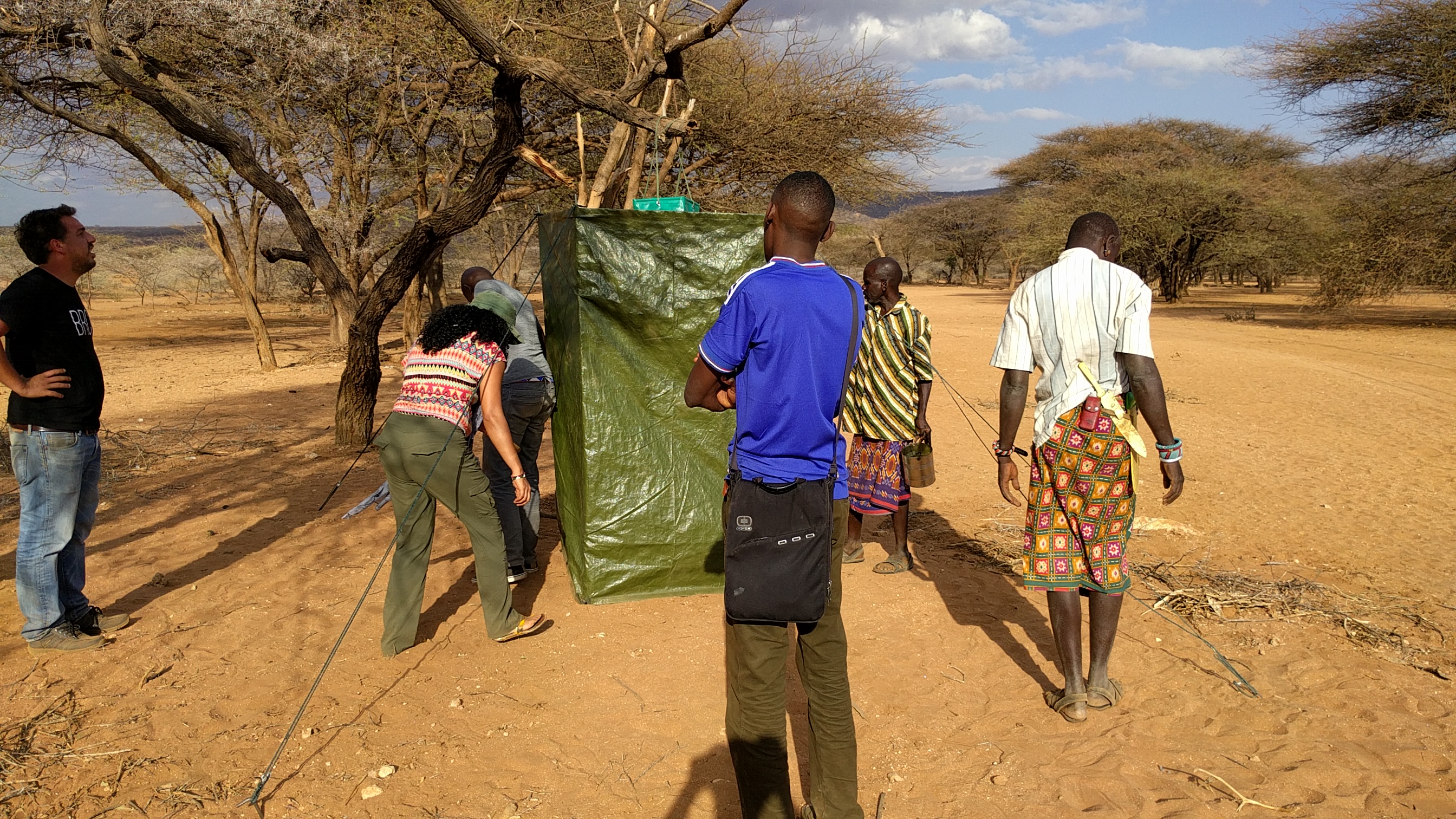
Sprucing Up The Tent: Shower Setup Sprucing Up The Tent: Shower Setup
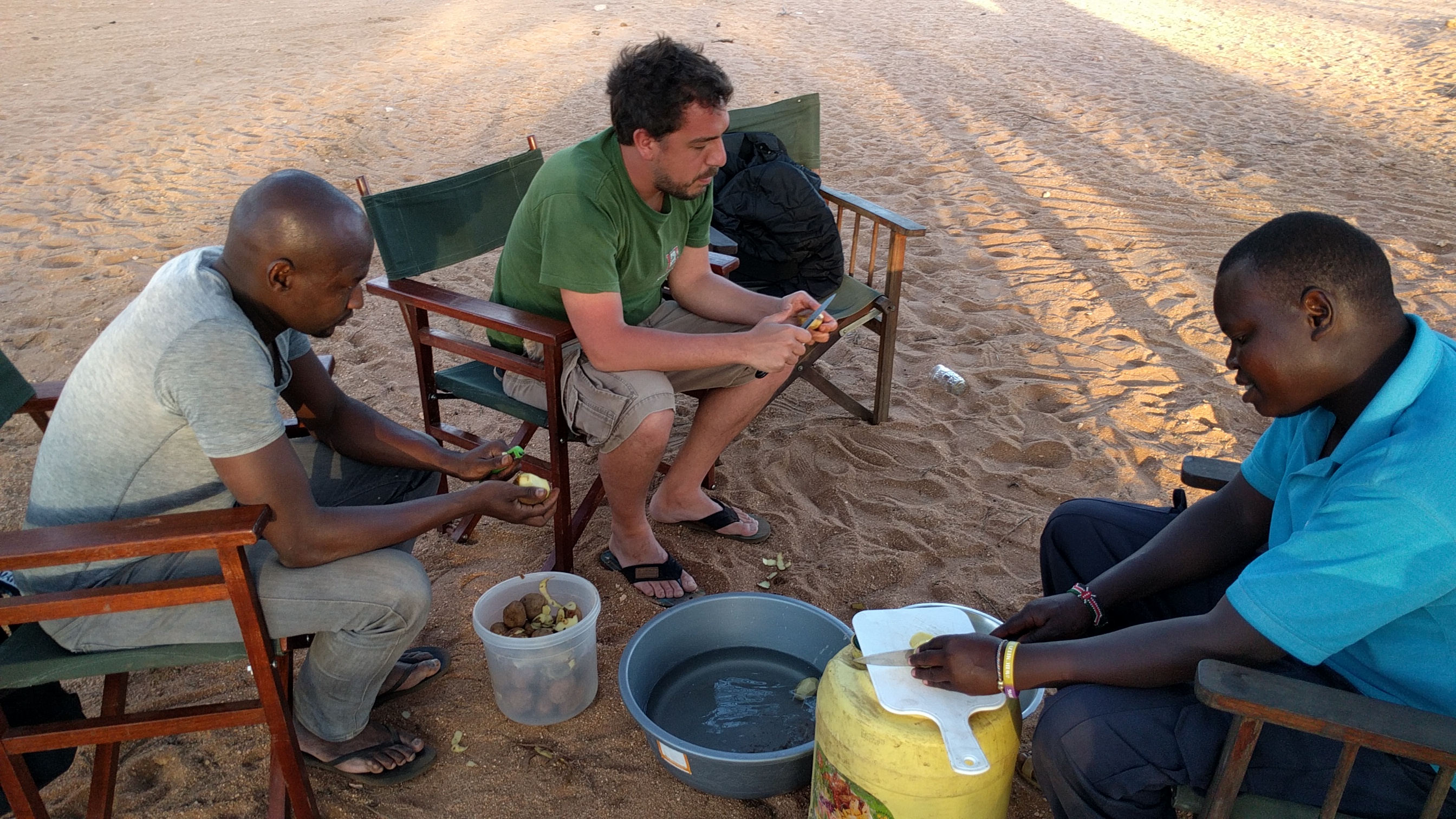
Preparing a most delicious dinner Preparing a most delicious dinner
To keep up to date with this trip, check out our Facebook, Twitter and Instagram pages.

A Little on PicoBRCK and Mt Kenya

In the next five days (from the time of writing this), a small BRCK team (Kurt, Fenda, Dado, Paul, Jeff and myself) will pull off something incredible that will mark the beginning of a beautiful era of Kenyan Engineering. We will go up Mt. Kenya and install the first ever Kenyan made weather station running on picoBRCK, our IoT prototype made in Africa, by Africa, for Africa. And just to spice things up, our position as we ascend will also be tracked via GPS that is also powered by picoBRCK. Both the weather data and GPS data will be presented on our expeditions page at the following link: http://expedition.brck.com/mtkenya-2016/

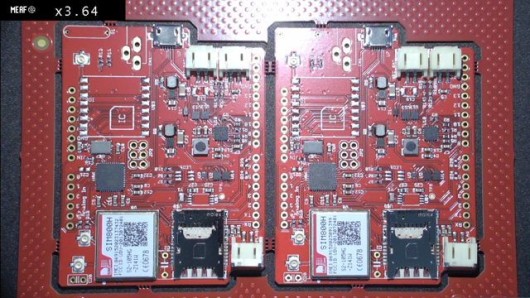
PICOBRCK BOARDS

picoBRCK prototype boards in assembly

Every time I think about picoBRCK, the nerd in me geeks out with all the possibilities this cool inventions will provide.

So far, we have been able to make picoBRCK monitor wildlife, measure water flow, read weather elements, track GPS coordinates, tell the time, make a call, send text messages and log pictures and files onto an SD card as well as onto a remote server. It doesn’t end there though. BRCK will try and do challenges from our loving family (that’s you). Drop us a line with what you want picoBRCK to do next and we will do a video or a blog with the results and share it with you.

Happy times are ahead of us Africa. I hope you stay tuned to updates of our expedition to Mt. Kenya.

PS: I hope to open source and share with you the firmware to take pictures and store them or send them to a remote server.

Killah.

Coming Home

Across The Milgis

Across The Milgis

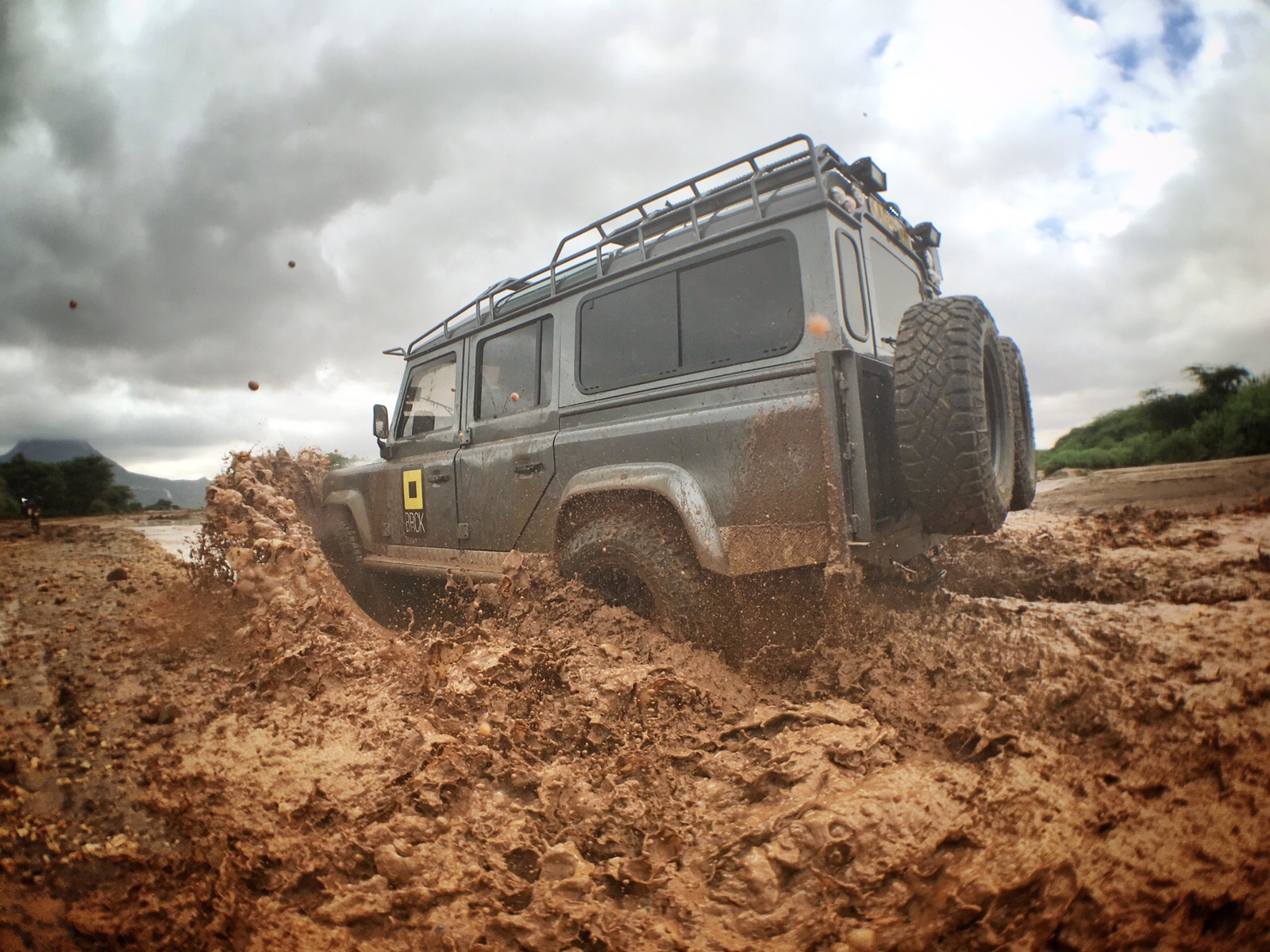
Today marks the last day of our annual expedition. We had a great time, learned a lot and made many new friends. It seems to be over all too soon, especially given that we feel that we were just getting started. With our endless spirit for adventure, we could have gone further into our beautiful country, but there remains work to be done. There will always be rivers to ford, mud to get unstuck from and mountains to climb. One mountain I feel we are well on our way to conquering is the building of relevant, context-specific and useful products, products that addressed poor connectivity, power outages and limited access to up-to-date and affordable digital devices and content.

The yearly expedition is not merely for the fun. We use it to push ourselves out of our city bubble and see the real world where we intend to have our products used. I remember when we got to Kiltamany on the first day, one of the guys we met told us “Karibu Kenya.” We had a good laugh about this and on reflection he was right: those far-flung places are just as much a part of our country as Nairobi. Our intention is not just to build cool things but to build cool things that matter.

The Long Road Ahead

The Long Road Ahead

You can do hard things. – BRCK Mantra

IMG-20151216-WA0024

Coming Back

And what harder thing is there in technology than to bring the same level of quality affordable and reliable products as there is in more developed countries. Useful relevant solutions do not have to be grand and expensive, nor do cutting-edge technologies only have to exist in high-end consumer products, for example wireless charging.

The people we interacted with have the same ambitions for themselves as we do – to be in touch with the world, to have a voice and to educate their children. We still have a long way to go before we achieve everything we have set out to do. The Kio Kit has had some hiccups and the actual BRCK does require coaxing sometimes to make it work (fewer than when I came on-board, that is). From personal experience, and I may be biased when I say this, we have come a long way since I joined BRCK six months ago.

My biggest take-aways from our recent journey are:

1. Constant Improvement.

Part of our ethos is the striving for better every day, in whatever little way, whether it is taking the extra effort to ensure a BRCK is delivered to a customer who is flying out in a few hours, or our engineers pulling all-nighters to make sure the Kio Kit performs better when it is deployed. The tiny gains make a significant and long-lasting impact and should never be underrated. I remember our CEO Erik giving us hell as we were leaving Ngurunit – we took a little too long in breaking camp and ended up being rained on. We delayed just a bit, barely ten minutes, and our whole journey took much longer than we had anticipated. If we had stayed any longer, we would not have been able to cross the seasonal rivers that were ballooning with each passing second. Small things that do not seem important if not done correctly the first time, roll over and become huge problems that are much more challenging to tackle. A big part of

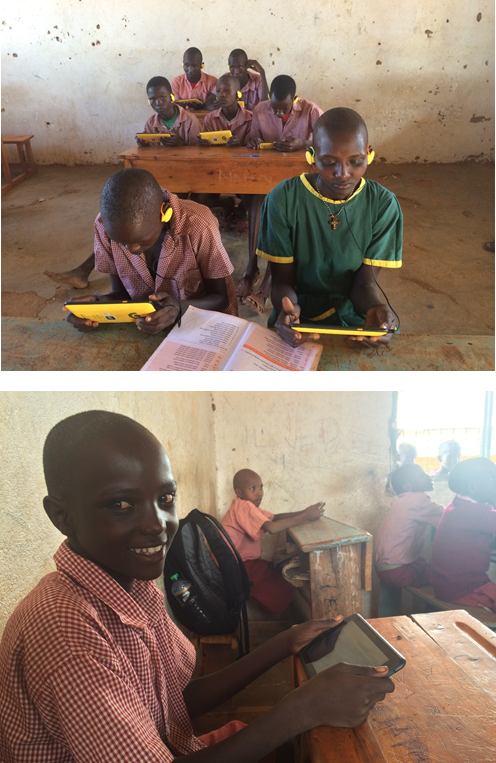
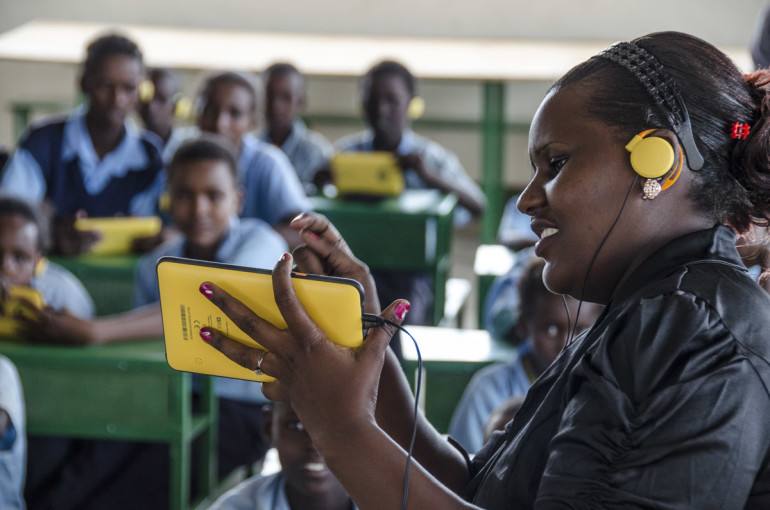
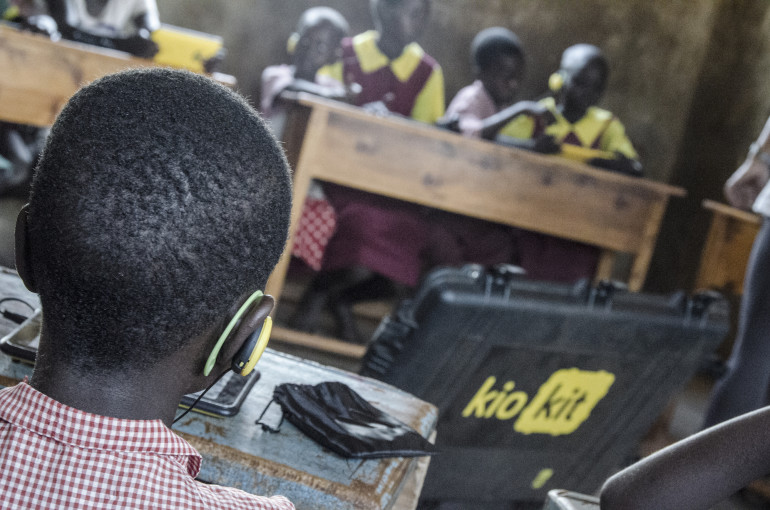
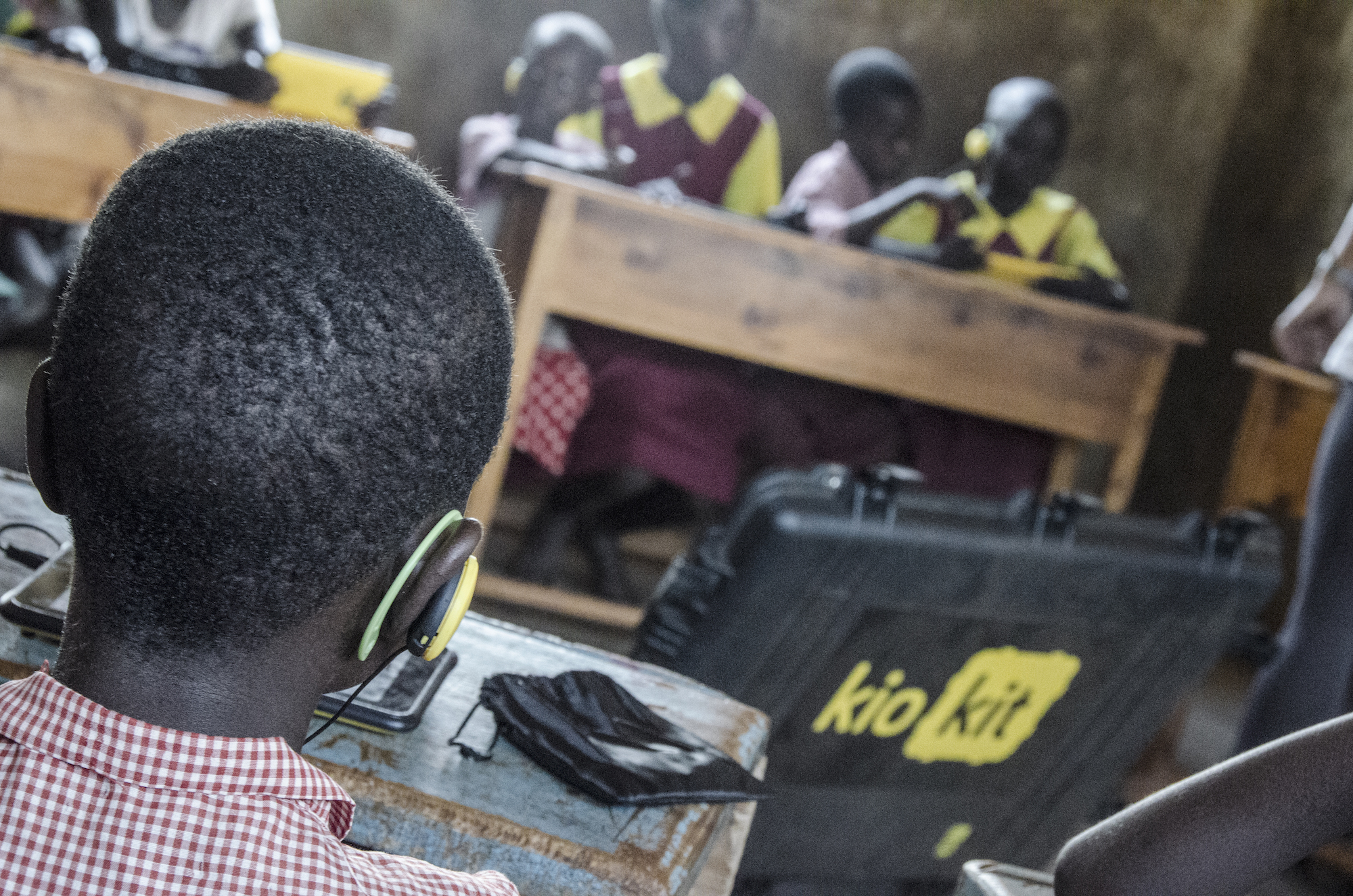
A big part of constant improvement is always being prepared, taking the time to iron out the small stuff, to sweat the small stuff, and I believe that at BRCK, we are prepared to take on the challenges in connectivity, content delivery and education. We sweat the small stuff, for example, the colour-coded earphones in the Kio Kit to enable kids to put them on more easily.

The left earphone is yellow and the right one is green.

The left earphone is yellow and the right one is green.


2. Being a champion of your own ideas.

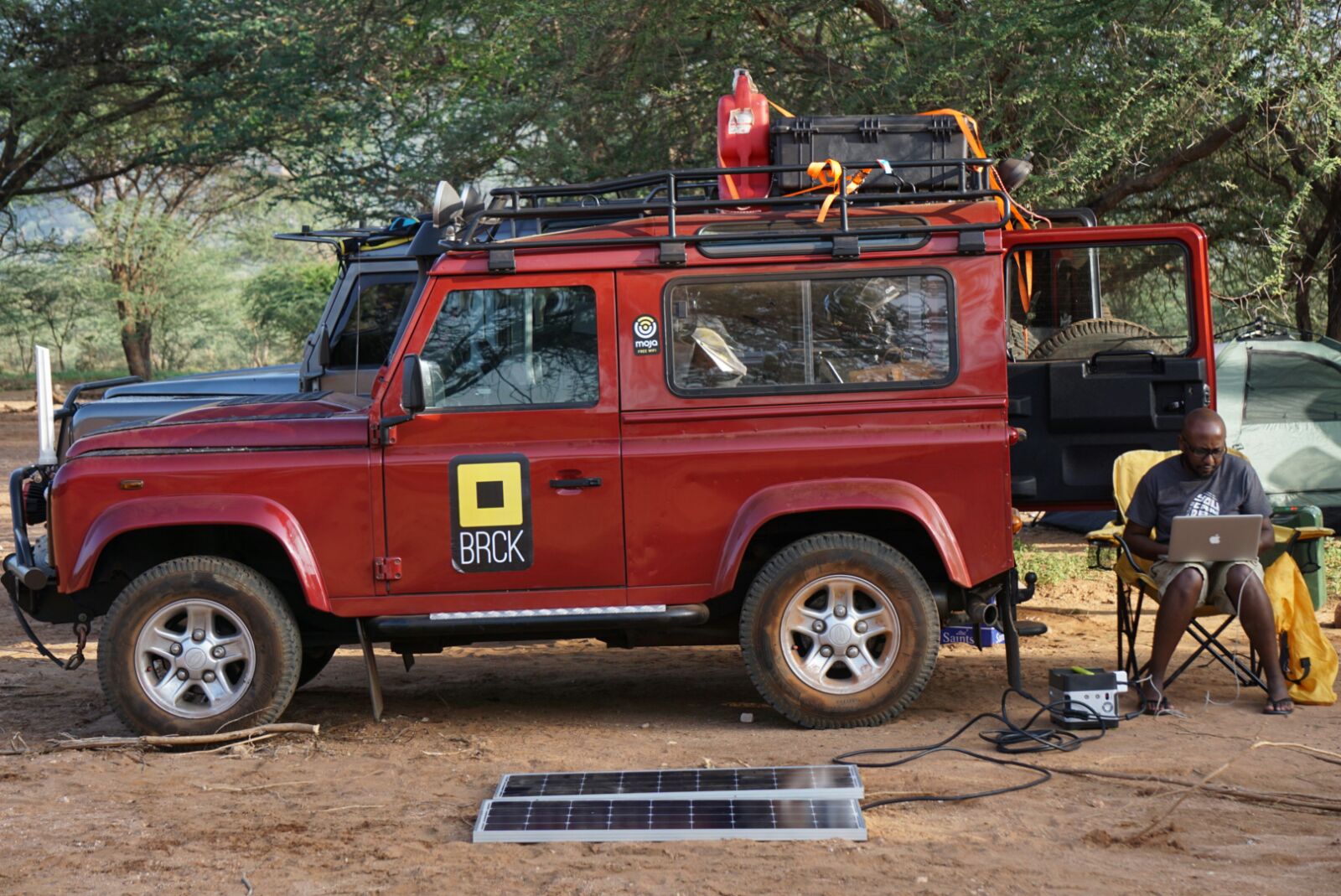
All the blog posts, except this one, were uploaded using a connection from the BRCK. It seems pretty obvious but I had to mention it. If you set out to build a product, then you have to be its first user. The cliché used is eating your own dog food. We put ourselves in a situation where the BRCK would be the best alternative. This became especially apparent when all of us had to catch up with the news and the goings-on online in the evening. Multiple simultaneous users is one of the key features of the BRCK. And I must say, it worked flawlessly out of the box – it got a connection faster and was more stable when more users jumped on it.

Still connected, even in the bush.

Still connected, even in the bush.


3. Demystifying technology.

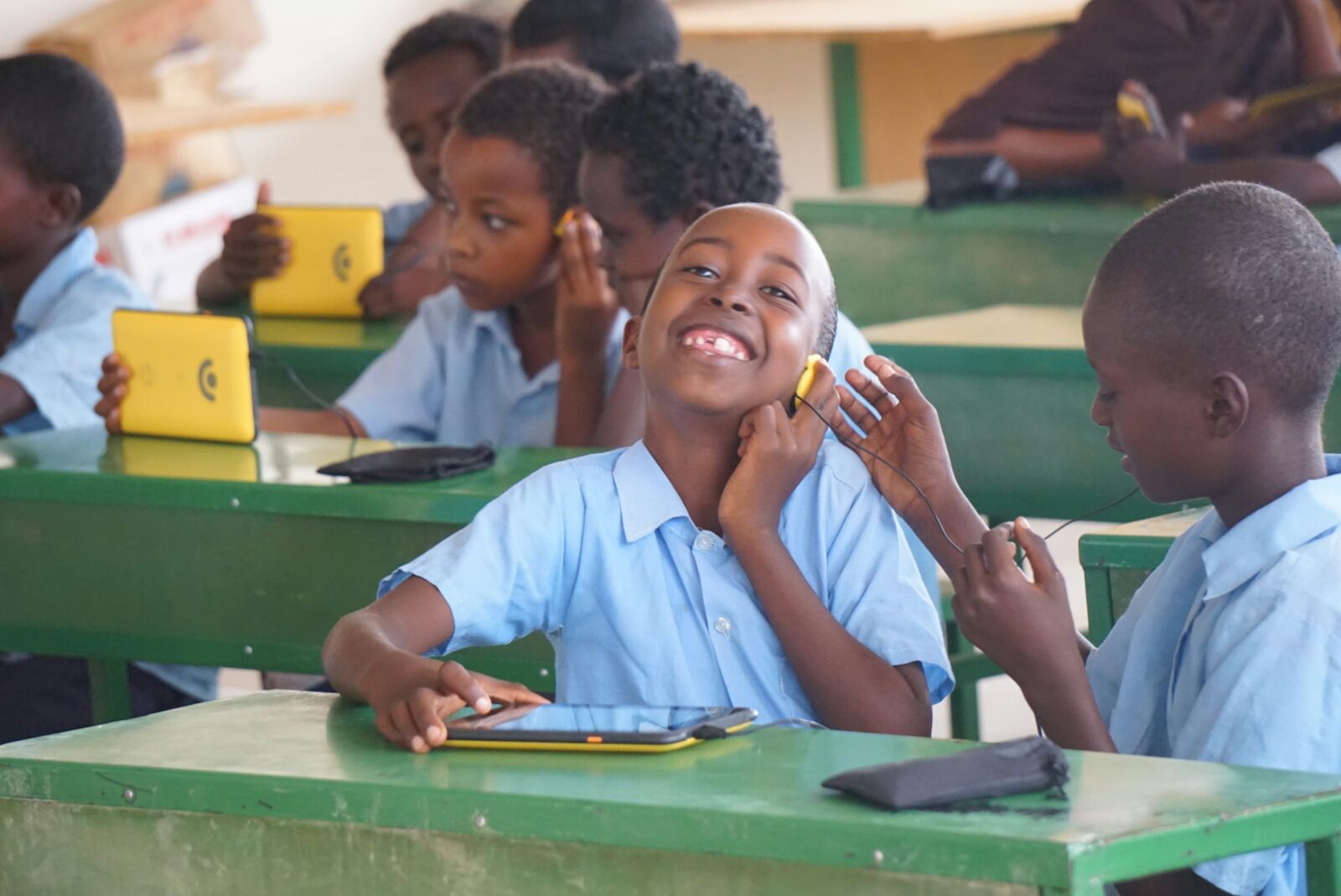
When you hear the term “digital solution”, an image of a fancy shiny product may come to mind, something that makes use of an often-heard yet obscure technology, or such like. It does not have to be this way. A product can be simple, cost-effective, usable and effective all at the same time. For example, the Kio Kit – simple, rugged tablets (for accessing the content), a BRCK (for storing and updating the content), a wireless charging system (to eliminate cable breakages and reduce the time spent plugging in the tablets at the end of a work day). Voilà! One of the most touching moments of our trip was when we were at Tirrim Primary School in Korr – seeing the faces of the light up as they completed their memory games is a feeling you cannot put into words. Only one word comes close – magical. These kids will be going up against other pupils from much better equipped and funded schools. I firmly believe in the potential of technology to be a leveller in this playing field.

A Child's Joy

A Child’s Joy


4. Having fun and making a difference, at the same time!

You spend a large portion of your time at a job. You may as well spend it doing good and enjoying yourself in the process. I was talking to one of my colleagues and he mentioned how he found it difficult to explain to people what he does for a living. He loves what he does (and so do we! Jeff is an amazing designer!) and so do all the people who work here. You can have fun doing important work and still make a positive impact. And, when you really think about it, wouldn’t you rather do this?

I am excited to be a part of this wonderful company and to work with the talented people here. We want to change the world and make it a happier, more livable place, a place where the people on the edges of the grid, the oft-neglected regions, have the same opportunities for education and betterment as the people in the towns and cities. I feel that we are on the cusp of achieving this. Join us on this journey.

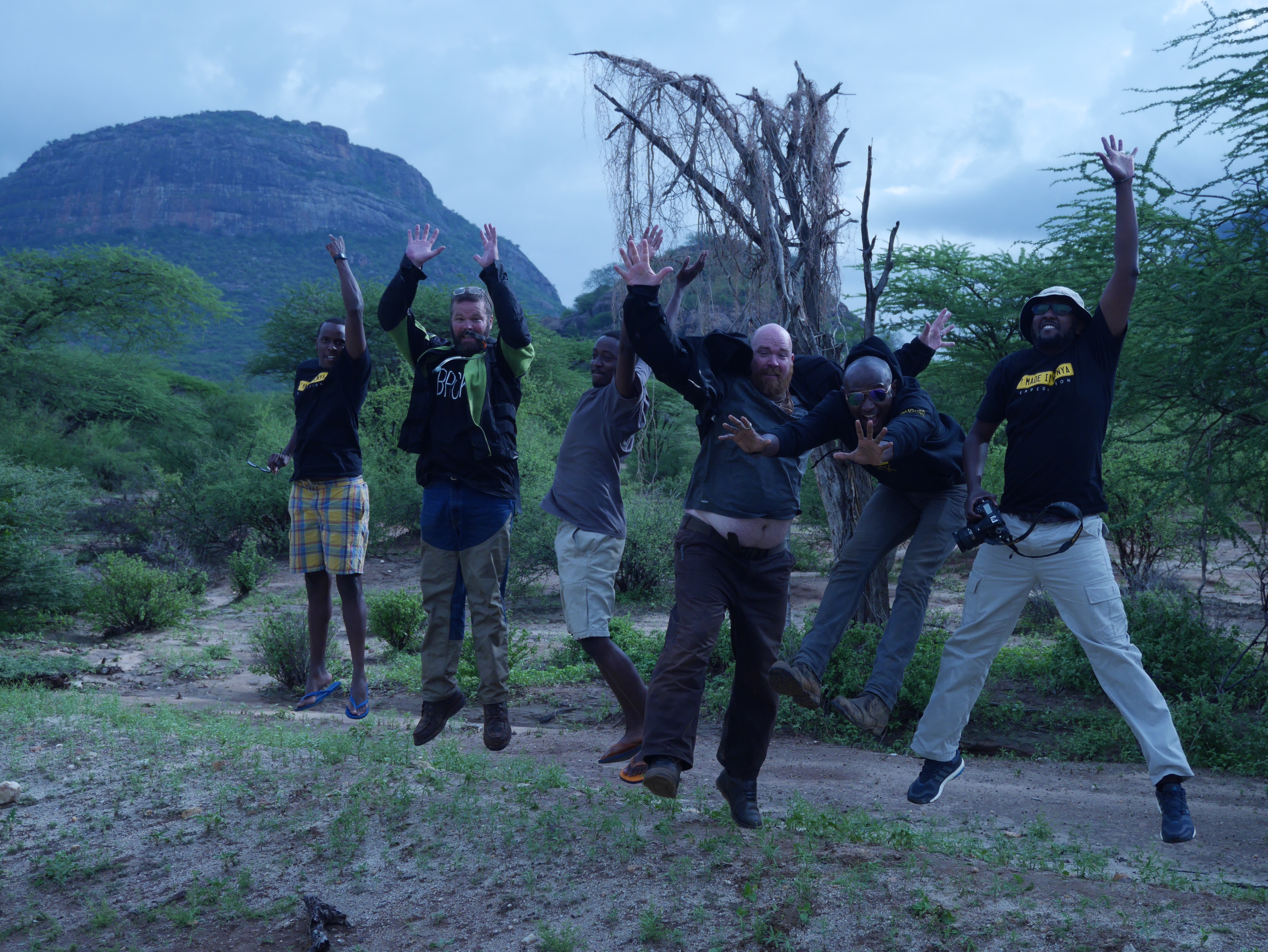
jump_up_for_brck

Jump Up For BRCK!

To check out the 2015 BRCK Expedition, have a look at our social media pages on Instagram, Twitter and Facebook.

Every bite is an expedition

At BRCK, we are people first, design second and then technology brings it all together.

The reason why I like today is because we really got to do the people part really well.

Be helpful
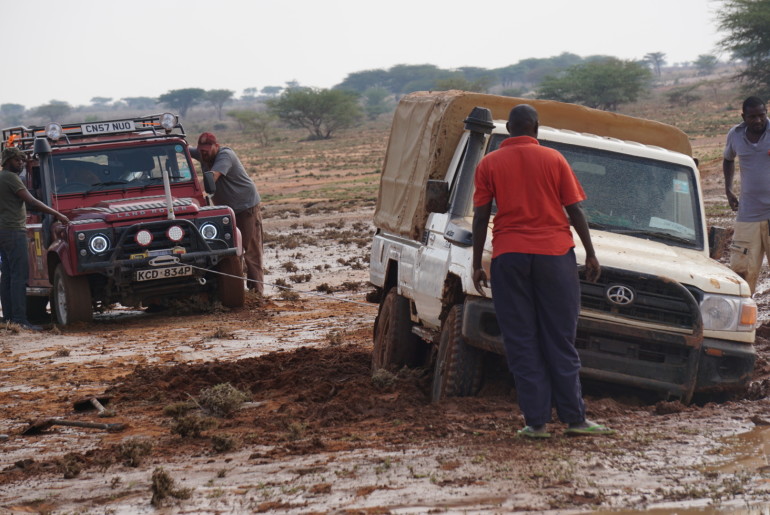
On expeditions we keep to a very tight schedule in order to complete all our scheduled stops and tasks. However this morning we got a call to go rescue a truck that was stuck in the mud after heavy rains had swamped the road.

This was a bitter sweet call, sweet because it is great to be called to save the day, bitter because the swampy conditions were on the same road we had to travel today. When we got to the scene we understood the severity of the situation. The land cruiser had sunk to the diffs. To get it out it took a high lift jack, several individuals and TWO Land Rovers.

Lending a hand

Lending a hand

Our kind gesture was also returned in the form of geographical intelligence which informed our route adjustments for the day.

Ask for help.
The road today was full of beautiful scenery, some questionable roads, very many river bed crossings and very few towns. When we finally got to a town, we needed several things, food, drinks and fuel. Towns off the beaten path have no gas stations but you can always find a local supplier who sells petrol or diesel from a small shop.
I was designated the chapati guy on this trip because no matter where we went, I was able to find the freshest off the pan chapatis. This was a challenge in this town because they didn’t have restaurants, however after asking, I was directed to a Masaai manyatta and although they didn’t have any ready chapati, asking for a referral led me to a second manyatta that had 9 off the pan chapos.
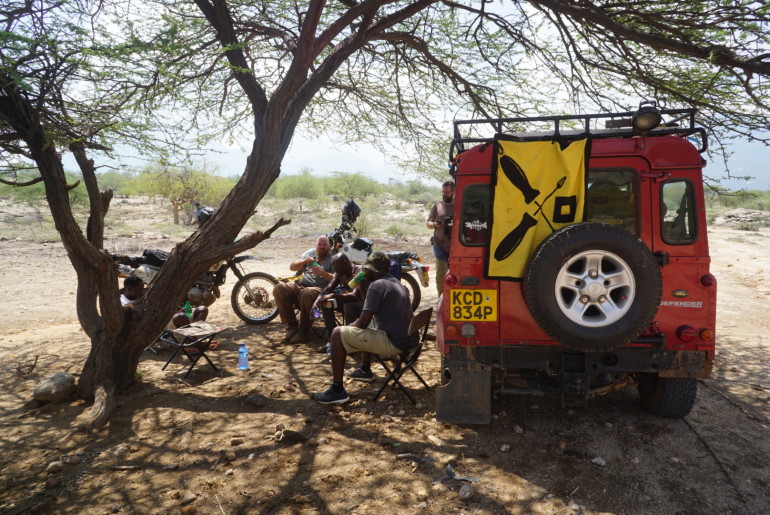
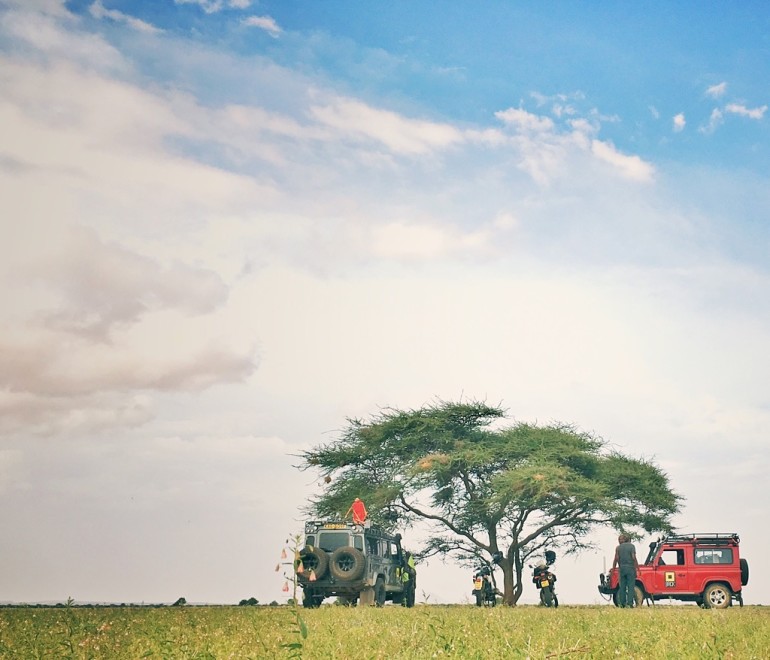
The last request was asked by Erik who inquired about the availability of a cell service signal in the area. We gave a local guy a ride and several kilometers away from the town and under a tree, voila, Philip was on the phone with his family and we had a great picnic under said tree for lunch.

The connectivity tree

The connectivity tree

Delegation intelligence
Our company motto is “we can do hard things”. We often have and overcome challenges of different magnitudes. We learn from every situation. A big part of overcoming challenges is to deligate duties according to people’s strengths.
When dinner time came, Philip was appointed/volunteered to make the sauce for the spaghetti. It was very flavorful however we all agreed that we gave the right job to the wrong person. Philip has many strengths but pasta sauce might not be one of them. Every bite was an expedition into breakfast, lunch and dinner since the recipe included bacon, beans, scotch, wine and peanut butter to name a few things. It was an experience in world cuisines all in one meal.
Live a little
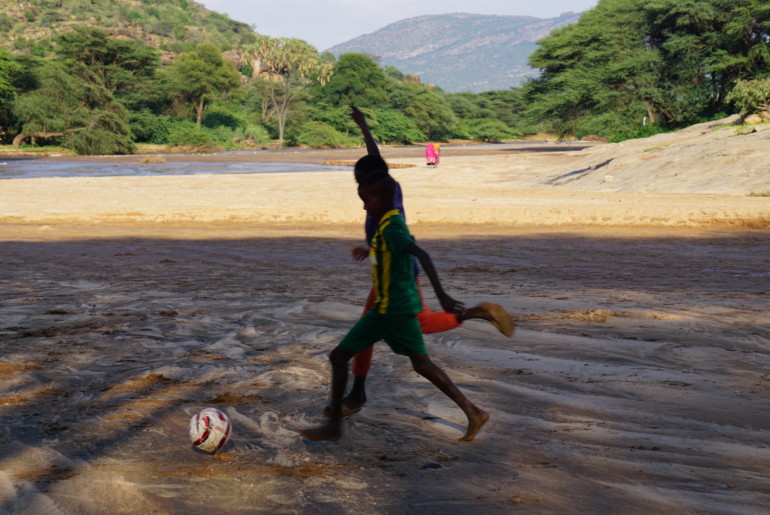
Tonight is our second to last night, the area of the country we are in is the most beautiful part of Kenya that I have been so far, to try and explain it to you would be difficult and pictures do it no justice. Whatever emotions are invoked when one mentions Bali are what I’m feeling right now. There are 5 individual mountains surrounding this river Beach Front property that I pitched my tent on, no soul in sight for a while then a few boys come with a soccer ball and we play together, then some younger kids come to swim.

God's country

God’s country

Best ideas win
This expedition comes as I’m about to celebrate my first year with BRCK. Both at the office and outside, we foster a tradition of collaboration and dialogue that helps the best ideas to rise to the top. Rufus has challenged us with his vast knowledge of diverse subjects in music, literature and world trivia. It is this ability to research and be well read that makes him such a great customer service and support guru.

Dinner time

Dinner time

It has been a great expedition, many lessons learned, I finally earned my expedition badge alongside Jeff and Rufus, a BRCK team tradition. I also did cave in and shaved my beard by the river, the itchy 5 day scruff was driving me crazy. stay tuned.

Designing at the edge of the grid

A year ago, I coined a phrase that grounded my passion for human centered design and is the reason I wake up every morning. “Africa cannot afford un-contextualized design, the stakes are simply too high” never is this so true than in education.

One of the reasons I joined and love BRCK is because BRCK dares to go where others won’t. This week we’re in northern Kenya, a remote place with many challenges. Many don’t go to these extreme environments because of the geographical, social and economic constraints. However, we at BRCK hold a different point of view, that they matter and it makes both social and economic sense to design for the real Africa.

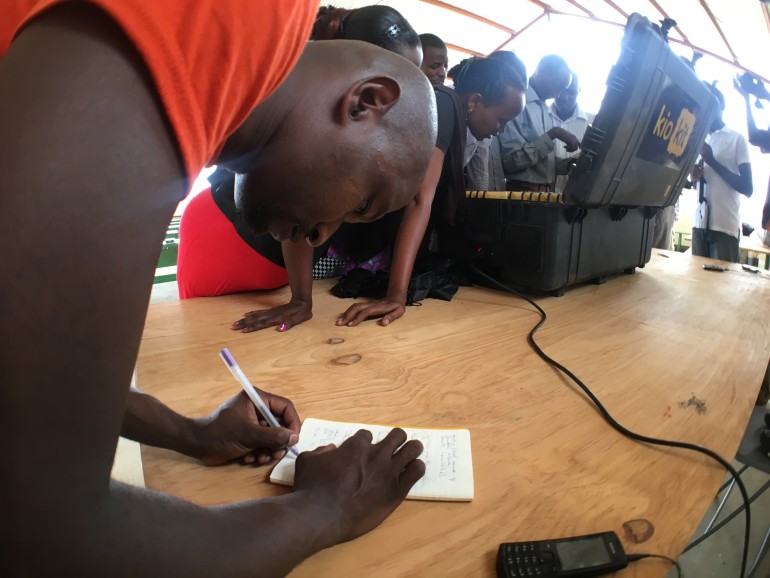
Mark Kamau taking quick notes as the teachers learn the Kio Kit

Mark Kamau taking quick notes as the teachers learn the Kio Kit

Tirrim Primary School is a good example. It is school in the desert, a long way up from Isiolo town, and has been the top primary school in testing in Marsabit County since 2008 sending their graduates to the most prestigious schools in the country. It is a charity school paid for by missionaries and has 620 pupils. Their dream, according to one of the teachers, is to become the “RVA (Erik’s former school) of the desert.” It is a lofty and worthy goal, especially considering people of Korr think on themselves as ‘Kenya B’ because of the sense of isolation and neglect of this desert folk feel from the rest of the country. Despite their limited access, these kids are expected to sit the same national exam and pitted against the same yardstick tablet wielding, smartphone trending students in Nairobi.

As a human centered designer with a passion for Africa, this is amazing territory. The Kio Kit sets out to answer a fundamental design question. ‘How can we convert any rural classroom into a digital classroom?’

In tackling this difficult challenge we made some assumption and learnt some lessons these are specific to this expedition.

1. CONTEXTUALIZED GUIDES

We set out to create guides for using the Kio Kit is English as it is the national language upon which all examinations are taken, but the role of local language in education, even when explaining technology is simply too effective to ignore. Today I observed a nuanced but interesting example. One teacher was trying to explain to a class of lower primary kids what the back button was on the tablet using conventional English and it took him a while to get them on board. Another said please click the “Khonjor” and all the students understood it immediately.

Some Rendille children on the Kio tablets

Some Rendille children on the Kio tablets

In the Rendille language Khonjor is a sickle, one the kids grow seeing their parents use for cutting plants. This shape allowed them to understand the reference as the blade points “back”. I also observed that even a few miles apart, the nuanced pronunciation of the same word meant the difference in understanding of things. While it is means more work, we have to contextualize the Kio Kit guides in localized videos.

2. COLLABORATIVE EXPERIENCES

With tablets, the idea is that students each get a tablet and are able to access content individually. In this construct, it is easy to diminish the importance of collaborative learning. The younger students are, the more they learn from observing and collaborating with each other. The content and games on the Kio Kit that we tested emphasized the need to have even more experiences in the Kio Kit that take advantage of this collaboration.

A teacher with the Kio tablet

A teacher with the Kio tablet

2. AUTHORITY CHALLENGE

The typical construct of a normal Kenyan school is that the teacher has the authority, they dictate what happens in the classroom and assume leadership, responsibility and authority. The tablet presents a different paradigm because with the tablet in their hands, the students have more responsibility than listening and writing. They play a more active role in their own learning. Handling this shift is challenging to teachers and their usual classroom control skills don’t directly apply. We therefore need to invest more time on classroom management training with technology.

There are many more lessons we have learnt from technical centered challenges to human centered challenges that energize us as we ride back home to make the Kio Kit work even better. Most of all, interacting with people motivates us to want to do even better.

Some Things are Different but Mostly We’re the Same

Yesterday, while staying with the Samburu near Kalama, I had the opportunity to ride into Archer’s Post with my new Samburu friend Mike. Mike has the distinction of being the seconds tallest Samburu and his size brings with it an equally warm disposition. We loaded in the Land Rover – with an old man from the village who just tagged along for a free ride to do his shopping – and headed across the sandy track that meanders some 20km back to the tarmac.

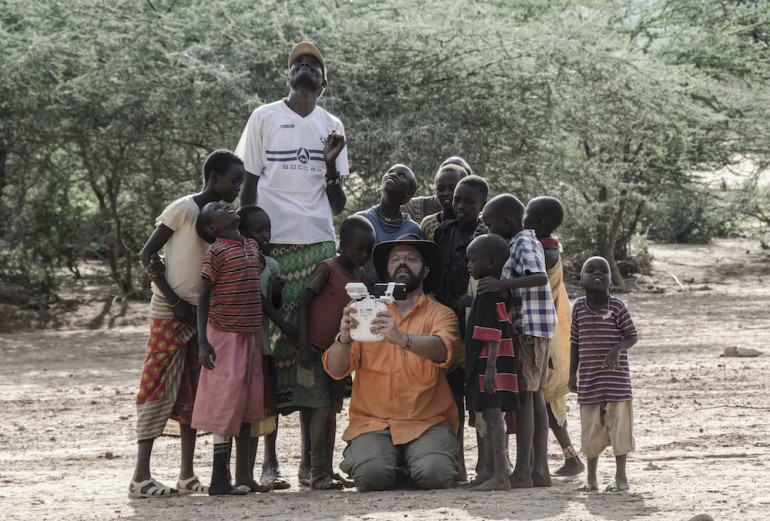
Tall Mike and myself with the village kids

Tall Mike and myself with the village kids

As we bounced along I turned up the radio and Mr. Marley was singing about “One Love”. Mike asked me if I liked reggae, which I quickly confirmed. I asked him the same question and he said he did, particularly Alpha Blondy. I was shocked that he even knew who Alpha Blondy is and so I quickly switched to my Alpha collection. For those of you who don’t know Alpha Blondy – and it would seem that I have grossly underestimated his popularity – he is a reggae artist from Cote d’Ivoire. Having spent 4 years in Cote d’Ivoire for secondary school had given me a huge appreciation for Alpha Blondy and The Solar System. This was the local music of my youth and something that I and my friends hold dearly to as part of our heritage.

Here I was driving through a land that is completely unlike the terrain of West Africa listening the singing of ja man from a Mande tribe that is nothing like the Nilotic Samburu people who were hosting me. Their dress is different. Their customs are wildly different. Yet, here we were singing about political oppression as loud as we could to drown out the rumbling noise of the diesel engine. Mike starts to explain to me that the words of the song – which is partially sung in the Jula language – sound to him like they are talking about camels resting. He sings the lyrics and describes how he understands them in either Samburu or Swahili. Of course Alpha Blondy doesn’t sing about camels but Mike doesn’t care and it certainly won’t detract from his intense enjoyment of the music.

How is it that people from such differing backgrounds could so easily bond over the simple expression of ideas through music?

Music is not alone in providing such a practical cultural bridge. Technology has just as much potential to be a cultural equalizer. However, just like the mistranslated lyrics, technology is easily misunderstood as it transitions between cultures. A big part of our job at BRCK is to ensure that technology is well optimized to serve as an enabler for cultural exchange. We want to equip these children with the capacity and the skill set to be globally competitive. We are striving to use technology as a tool for enabling this realization. Some aspects of this task are easy – kids from every culture are captivated by animated lessons on handheld tablets. Others are far more difficult – getting the teacher to understand the distraction that comes from putting a long coveted gadget into the hands of students for the first time. We can’t just rework the equation to solve out the bad from the good – unfortunately it all comes in the same glossy, irresistible package.

Elders are elders

Elders are elders

Our self-imposed mandate at BRCK is to be champions for culturally relevant technology. To invest ourselves in designing and building platforms and tools that transcend the boundaries of our differences to bring about a unity of purpose for educating children from every socioeconomic strata. This Expedition has been a powerful reminder of how essential the human-to-human connection is to make this happen. If we want to change the entire concept of digital education in the African classroom then we – and everyone else who has a similar objective – needs to spend us much time as possible in the dirty, dusty, sandy recesses of this continent to get to know the students and teachers and find the common grounds of understanding that enables us – as technologist – to build the bridges between our different (yet not so different) cultures.

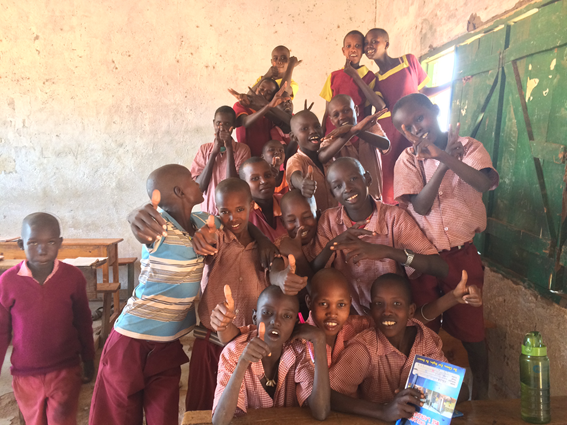
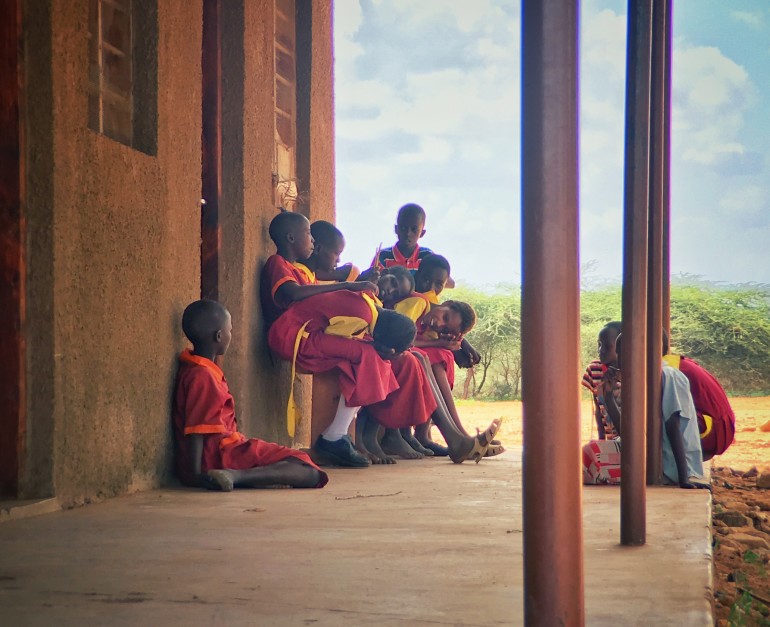
Children at Kiltamany Primary school

Children at Kiltamany Primary school

On the road to Korr

On the road to Korr

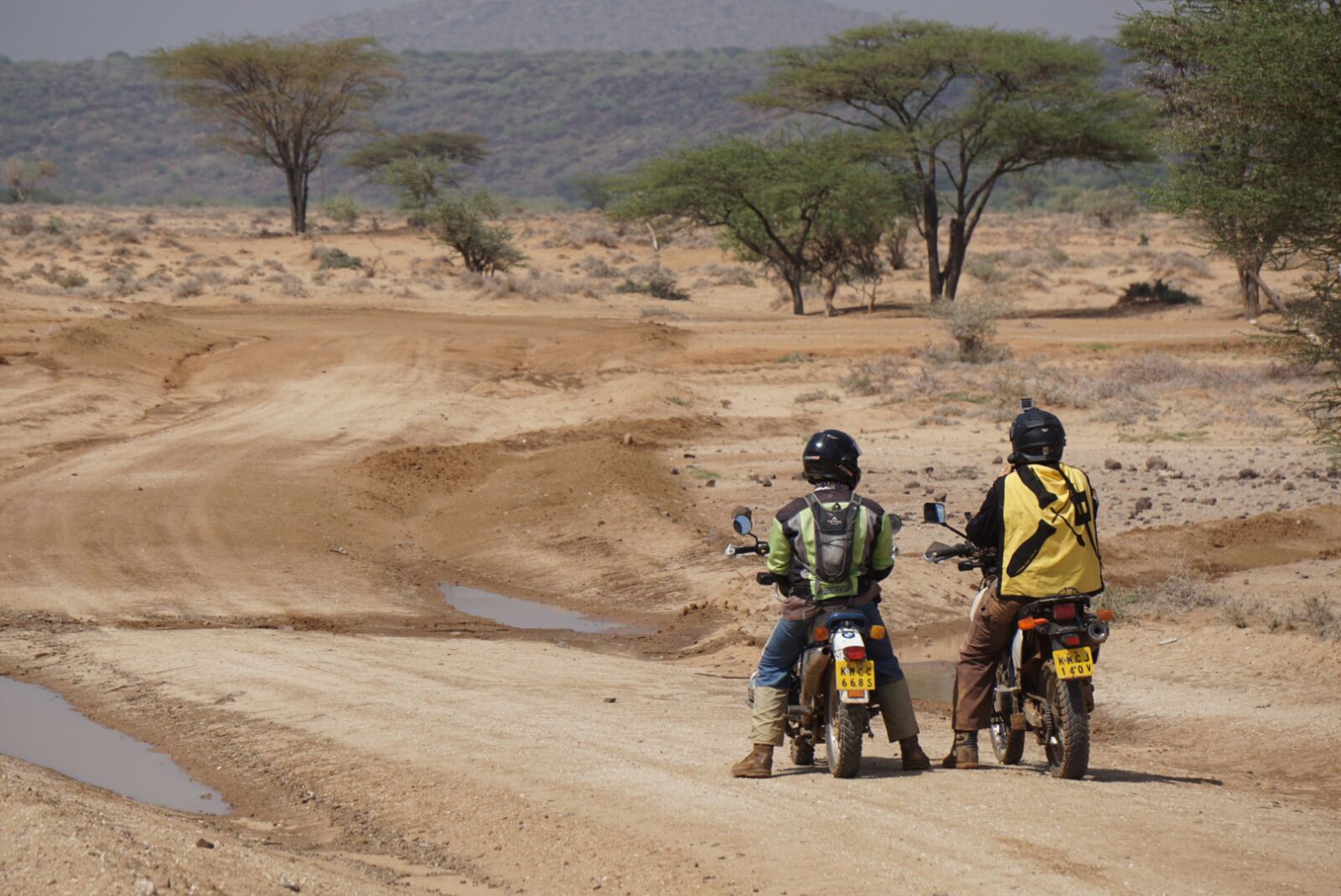
Philip fords a sand river in an old BMW R80G/S

Philip fords a sand river in an old BMW R80G/S

Peter shares his love of photography

Peter shares his love of photography

Digital Literacy on Kenya’s Frontier

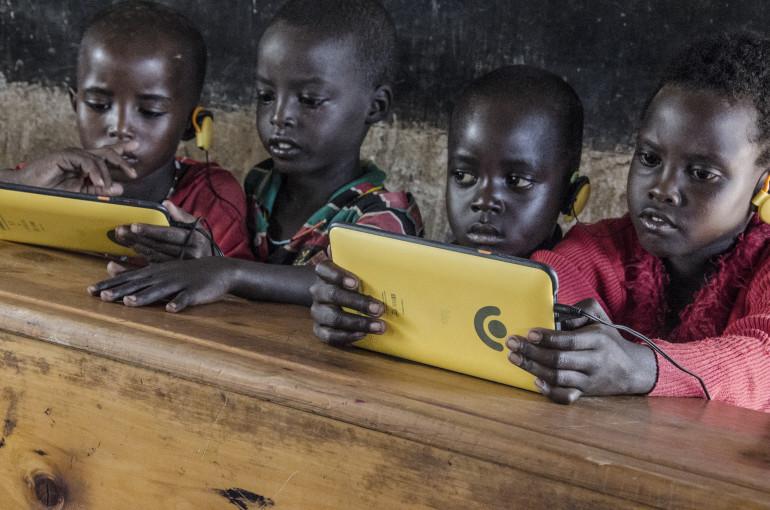
Kio tablets in action

Kio tablets in action

Kiltamany Primary School is your typical forgotten school. A 20km dusty path from Archer’s Post leads to a small village between Kalama, Samburu and Westgate conservancies. Most women make beaded necklaces and most of the men herd goats. The children giggle coyly when you speak to them, but, like children everywhere, they are curious and eager to learn. As we sat around the campfire last night, it dawned on me how much energy we draw as a team from our “inner child.” I’m thrilled we are working with children this Expedition.

When we arrived at the village yesterday evening, the women sang and danced to welcome us. We took many pictures of their warm and carefully rehearsed welcome. At one point, a woman pulled out her phone and took a picture of us. In that beautiful moment all our hearts soared!

Until 3 years ago, the women of Kiltamany village would walk 13km everyday to fetch water. The new solar powered borehole water tower now means they have a few extra hours in their day. 6 months ago, they starting using tablets and learning how to read, write, add, subtract and now multiply. I watch in wonder as a 50-year old lady learns the concept of division. She weaves her thin fingers between the 12 strands of a beautiful beaded necklace to show me 3 bundles of 4 strands each.

Wmalimu Elijah and his class

Wmalimu Elijah and his class

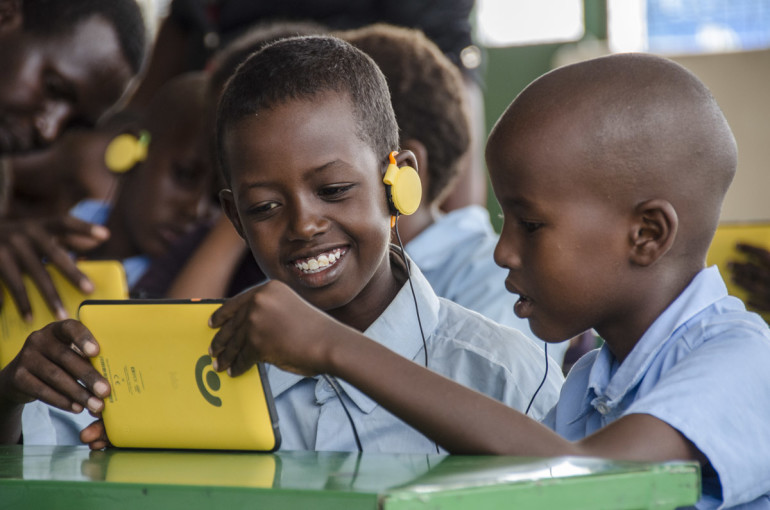
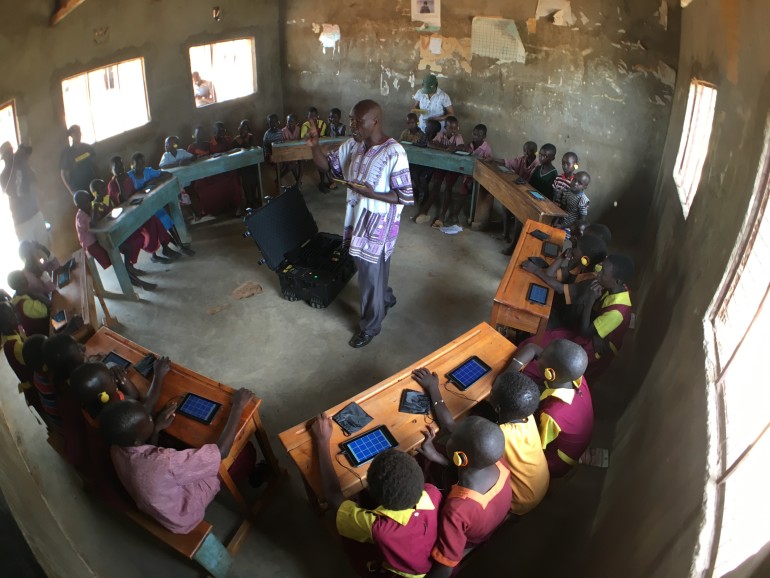
The Kio Kit charged in the school last night. This morning, the headteacher, Mr Elijah Njogu rang the bell and the children from surrounding villages began to trickle in. “December holidays” do not apply to Kiltamany. We ran 3 classes back to back today. It’s crucial to our design process to understand how exhausting it is to be in a hot, dusty classroom with excitable children all day. Our appreciation of the work of teachers grows every time we go to schools. The children, like all children, take little time to start using the tablets. The headteacher lead them through lessons in counting, nutrition and force. After watching the catchy Ubongo songs, the students remembered key concepts that would otherwise take several lessons to reiterate.

A child on a Kio Kit

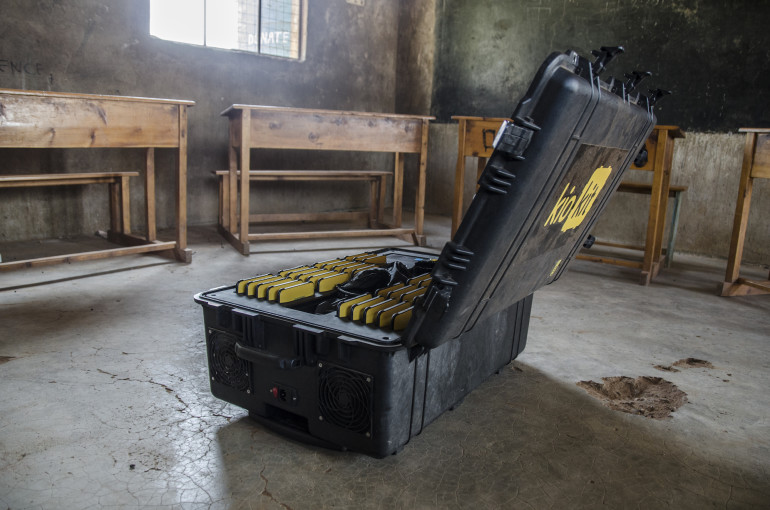
The Kio Kit in a school room

The Kio Kit in a school room

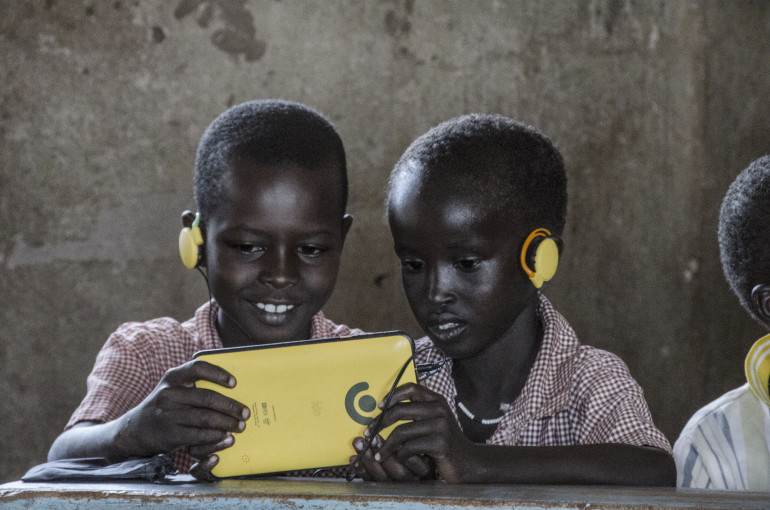
Two children on the Kio

Two children on the Kio

The BRCK Kio Kit

The BRCK Kio Kit

As always, we notice challenges and strive to learn valuable lessons. The classroom where the Kio Kit charged was dusty and the lights of the Kit attracted many bugs; we wonder how many dead bugs we will find in the Kits in a few months, what damage they may do. A shy girl peered at us through the classroom window as her goats grazed nearby; we have come a long way, but still have some work to do to ensure every child has the opportunity to go to school.

The community has not asked anything of us. They express again and again how much they value education and what they dream of for their future. As we sat around the fire tonight eating goat with the elders of this community, we heard a vision for a community that desires equal access to education for all of their children – boys and girls. This cultural shift towards a future that would see a small girl from Kiltamany one day sit as Chief Justice or even President of Kenya is a harbinger of the future that we as BRCK Education are honored to play even a small role in realizing for our country.