SKELETONS OF CIVILIZATION
mark_kamau2

We had a long 17 hour day on the road yesterday. We did this to compensate for over 10 hours lost fixing the Land Rover in Johannesburg. We started at 4:30 in the morning and stopped at around 10p.m. But that has become normal.  Covering over 820km a day is something we have stopped noticing too much. Something else was noticeable getting into Zimbabwe from South Africa. There was a surreal binary switch from Africa-lite to the real Africa.

Right from the border, after the South African side, you drive into this huge frenzy of hundreds if not thousands of people, busses, trucks and people offering to fix the border process for you so you clear in a few hours and not take the whole day. I understood why Beitbridge border in Zimbabwe is considered one of the worst crossings in the entire continent. One experienced traveller told me it took him 3 days to get through once.

After 3 hours of Erik’s quick thinking and some local help, we were lucky to go through. Once inside Zimbabwe, there was a surreal feeling on former optimism and progress. A restaurant that was once nicely done, now a shell of its former glory. A mall with half the shops in business, roads that must have once been beautiful to drive, but slowly withering from the edges in, making driving and riding on them quite dangerous, especially coming against wide load trucks in blinding full lights in the pitch black wilderness. We were back to real Africa.

We tried to get a local SIM in a mall and this too was a surreal experience. We have done this in every country to test the BRCK. Once a full mall now with only a handful of shops.  This on the other hand had formed the perfect breeding ground for hustlers. Local fixers who could get you anything you had come to buy from the mall. They have SIM cards, airtime, you name it.

The cell connectivity is the worst we have found so far. Even with a multi directional antenna, we could only connect sparingly across the journey, which was not surprising since along the road down, there was nothing. Long stretches of amazing scenic natural beauty but little signs of civilization.

One thought I had as we drove from village to village was how could access to information affect the situation in Zimbabwe? What if these school kids, vendors, villagers had access to the internet? How would that affect their situation? Their country? Thats fascinating thought.
Dashing back

Paul and I flew down to Johannesburg on Monday and spent some time helping prepare for when the team arrived.  We looked for mechanics shops for all the vehicles, I had some meetings and Paul prepared for Maker Faire.

Now we get to join the guys as we dash back up to Nairobi!  I have wanted to do such a trip since I was a high schooler in Nairobi and Paul has also had visions of taking a motor bike across Africa. So we were both very excited to have this opportunity.  And we still are… but today didn’t start off the way we would have chosen.

This Mark and I went to check on how the Land Rover was fairing.  The mechanic was already there, trying to get us on the road as early as possible.  Unfortunately it didn’t have an indicator console, a steering wheel, a passenger door panel, nor any wheels on when we arrived.  Johannesburg has been suffering from load shedding for a while now and we got to feel the pain yesterday.  Without electricity, the tire shop was unable to get the tires ready yesterday.  So while he went to get the tires Mark and I got to installing a GPS tracker that our friends at Inmarsat had generously loaned us.  It didn’t take to long to give it power and arrange the antennas, unfortunately the truck was inside the shop so the GPS was unable to connect.

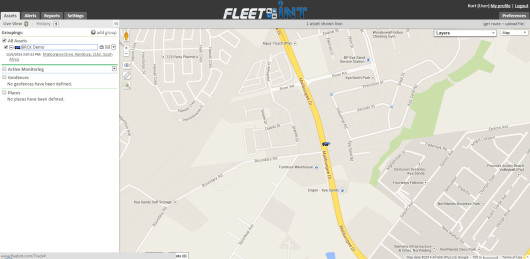
By about 12:30 the truck had a brand new set of wheels, things were settled with the mechanic and we were on the road.  Unfortunately that lasted about 10 min.  Coming up to a stop light something started squeaking and 100m later the truck screeched to a halt; a wheel had seized up.  We were not able to call the mechanic so I quickly just jogged back to the shop, which luckily was less than a mile back.  The mechanic had to make a couple of trips back to the shop so in the mean time I figured, hey, I wonder if the GPS is working.  So on the side of the road I booted up my computer, got online (we are BRCK after all!) and sure enough, there we were sitting on Malibongwe Drive!  We are currently looking into feeding that data live to our other feeds so stay tuned!

malibongwe

It turns out the rear stub axle had seized.  We were able to let the affected wheel coast and drive back to the shop.  By 4:30 we had removed the bad axle, cannibalized a good one from another Defender 11o and were back on the road.

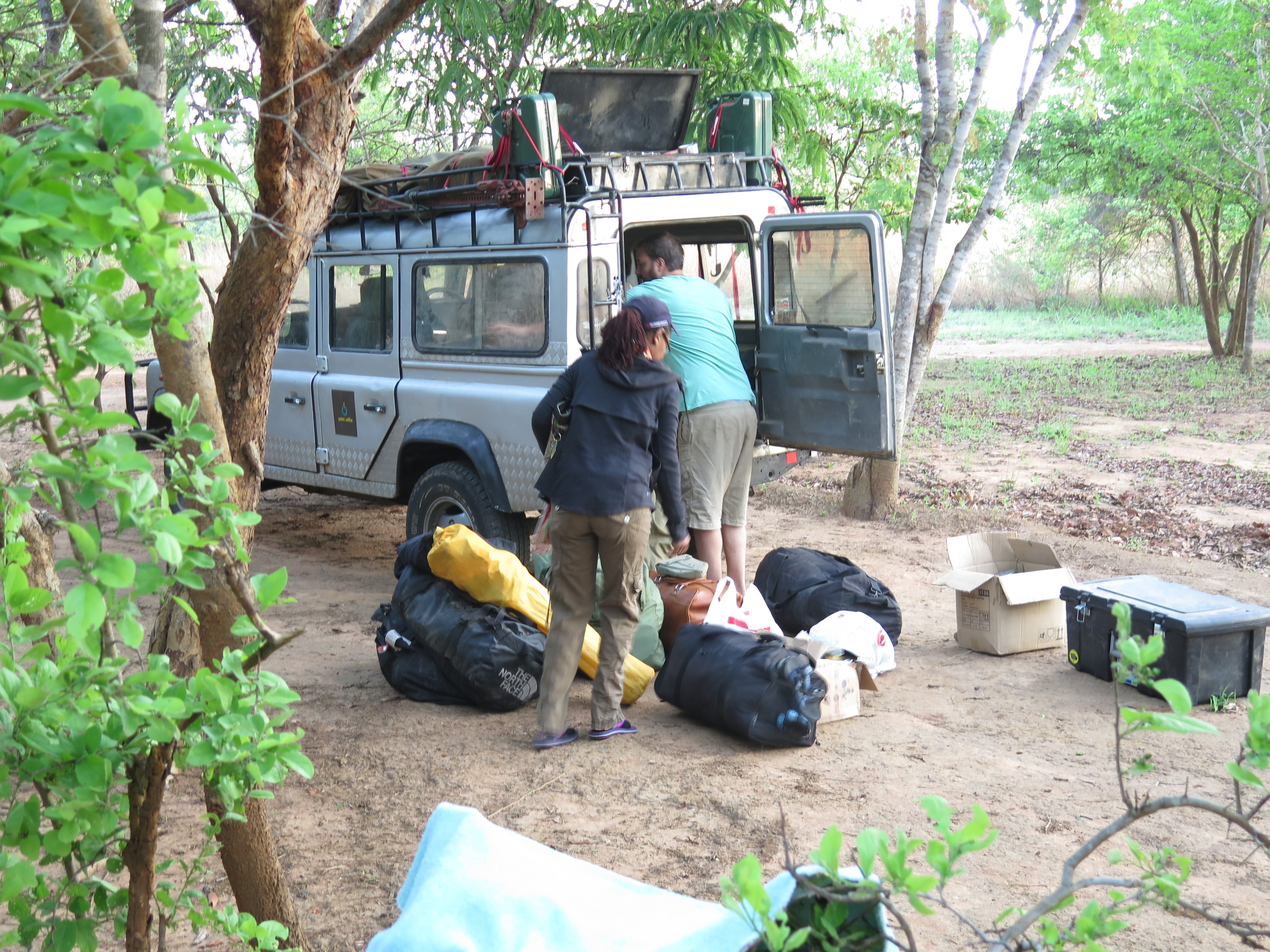
Meanwhile back at the guest house the guys had simply had to wait for us.  As soon as we rolled in the driveway they were tossing gear up on the roof rack and filling up the back.  And at 5:30, about 9 hours after our ideal departure time, we were on the road up to Zimbabwe.

Fortunately the roads in South Africa are amazing and the traffic very organized.  We made excellent time until 8pm.  Then we hit a weather system which included heavy rain and some incredible wind.  The bikers got soaked so we stopped around 9pm so they could change and we could get some food.  But the system passed us while we were stopped so we had to get through it again.  After running it twice the bikers were just frozen so we called it a day, found a hotel to get a decent nights sleep.

To make up for the lost time we need to be on the road again in about 4 hours!  But that’s OK, as always told my campers years ago, “It’s not an adventure if everything goes as planned!”

BRCK at Maker Faire Africa: From Prototype to Production

The BRCK and Gearbox tables at Maker Faire Africa in Johannesburg

The BRCK and Gearbox tables at Maker Faire Africa in Johannesburg

We’ve been excited to show up at Maker Faire Africa (old site) in Johannesburg for quite a few months, so actually being there yesterday was a big deal for us. Especially as we had driven 4,400km to be here and it was our primary goal for the journey.

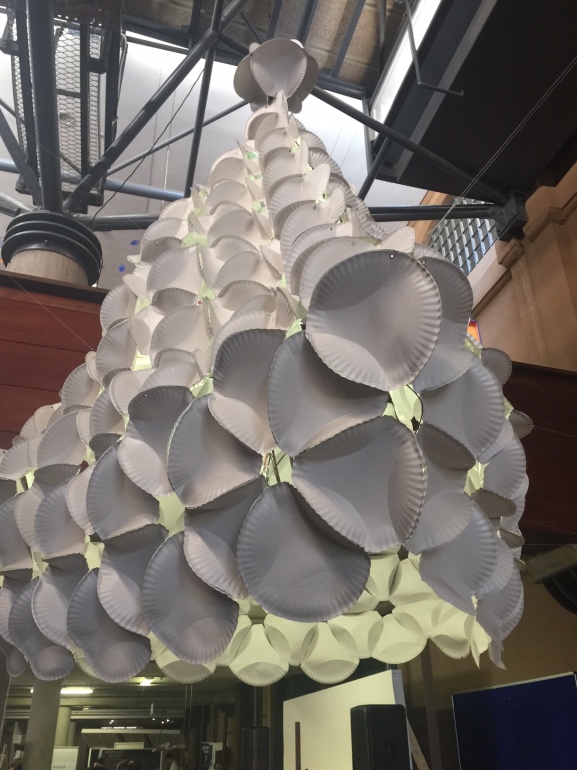
The BRCK table certainly drew our fair share of interest at Maker Faire Africa this year. While Maker Faires elsewhere often feature the likes of fire-breathing dragon statues and other impressive works of art, making in Africa has a slightly different tone. The Faire in Joburg had plenty of amazing artwork – not least of which was a 30-foot tall LED light sculpture made of CNC’ed plywood and steel that looked amazing as the sun went down – but it also featured a leveling device for brick layers to make high-quality masonry easier to achieve. There’s a strong enterprising spirit to many local makers, and lots of them were keen to learn BRCK’s story of starting a hardware company in Africa.

From questions about sourcing components, to finding access to tools, financing, and marketing expertise, makers from across the continent wanted to know BRCK’s story of taking a uniquely African innovation to commercializable product. We held a joint workshop with the Gearbox team on how to take a product design from idea to prototype to production, and showed lots of people how they could leverage their experience in the local market and knowledge of the local context to develop innovative new products that no one else in the world would be capable of making.

Maker Faire Africa 2014 workshop

3d printed artwork at MFA 2014

A 3d printing station at MFA 2014

While this year’s MFA is a bit smaller than in years past, we were still in great company with people building drones, robots, DIY kids electronics kits, 3D printers and a guy who built his own art car and skinned it in denim. (The best coverage is found on HTXT.africa. There were these guys who had built a small remote-controlled hovercraft who kept sliding it around, as well as a whole space setup for people to 3D print and make their own things.

Prototyping to Manufacturing

MFA is a great event, if for no other reason than that it brings together the engineers and inventors in an area together. There’s a lot of learning and connections made, and then more things happen afterwards. The other thing that happens is that people who are inventing new things are found by media and business people who can help them.

Last year there wasn’t a Maker Faire Africa, so we at BRCK weren’t able to showcase our prototype-level devices. This year, we had one of the more polished items at the event.

There’s a lot that needs to happen between your first hacked together prototypes and a real production run of a new product. This is why I think providing an on-ramp to manufacturing is the obvious place to go next with Africa’s inventors. This is why we’re helping to build Gearbox in Nairobi. We need people, training and machines that can take guys with great ideas and early prototypes, and move them into becoming real businesses.

The foundation is a lot more hardware-based prototyping, whether that’s Fundibots in Uganda, MakerHut in Zambia is trying to foster a community around hardware, and there’s a lot of activity in robotics groups by engineering students in Kenya, South Africa, Egypt and Senegal much of it happening in their respective tech hubs.

[As an aside: read Bankole’s post on “Africa needs an Industrial Revolution]

The next layer is what we need to plan for next. So, while we’re thinking of Gearbox in Kenya, there are others doing the same in South Africa (who has always had a great manufacturing base). What others are out there? Who else is creating a program, space and bringing together that city’s inventors and engineers to not just create prototypes, but take things to market?

Expedition Technology – Part II

Thanks goodness for BRCK. 

Unfortunately this will be my last expedition post this trip. I’ve had to leave the guys early to make a dash north to sort out some business. If it weren’t for BRCK I’d still be in Livingstone. When the news came that I had to come back to Nairobi, we knew we had 40 minutes to get flights. The BRCK was fired up, with in a minute we were online, and 4 of us rapidly trying to find the fasted route north. Its times like this that the utility of BRCK really shines!

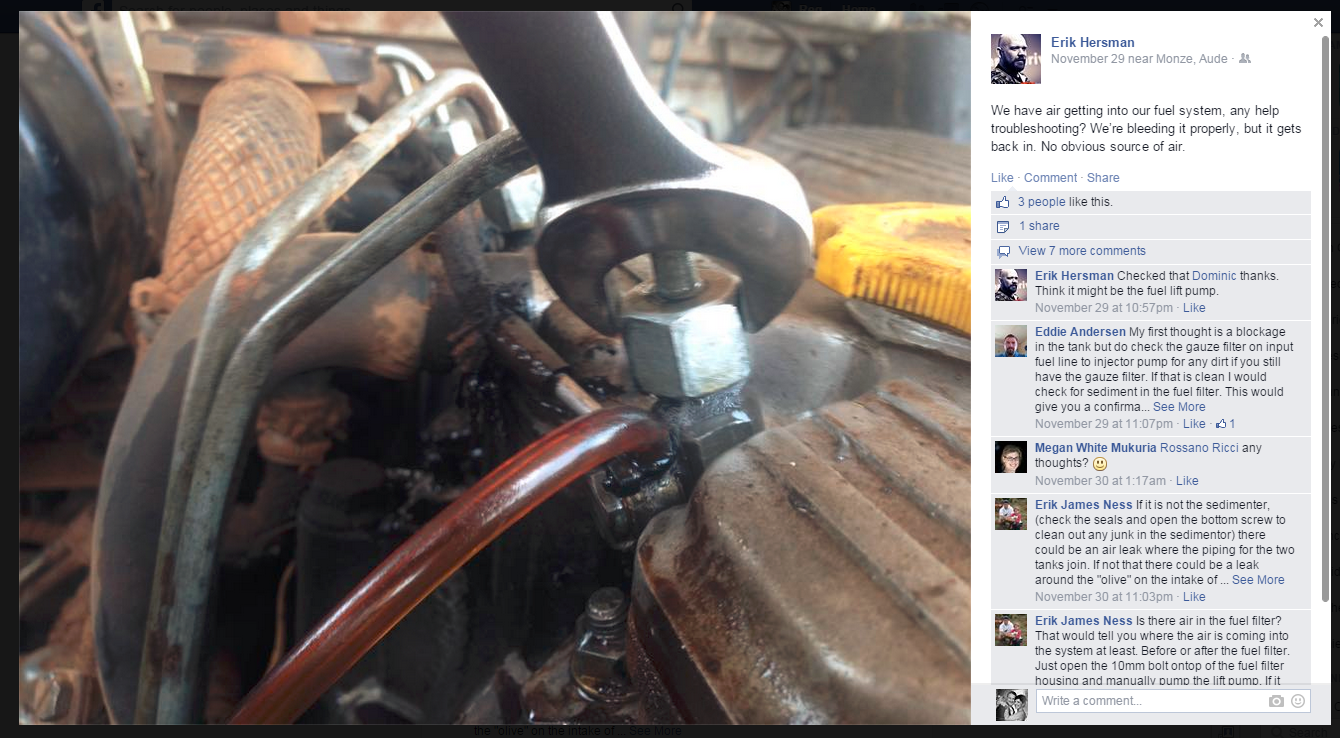
Earlier in the day the BRCK became a lifesaver as well. On the road from Lusaka to Livingstone, a short 563km journey, the Land Rover developed a nasty fuel system problem with the fuel lines filling with air every 20km or so, stalling the truck mid drive. Stopping every 20km to bleed the fuel system makes for a LONG trip (14 hours I believe!). Out came the BRCK, and everyone who wasn’t driving was delving into Land Rover forums the world over trying to work out what the problem was, then trying twitter, facebook and instagram asking for help. Eventually diagnosing the problem as a faulty lift pump. Another quick Google search for a replacement lift pump in Livingstone and we were on the way again.

Trying to get help with a buggered 300TDi fuel system

Trying to get help with a buggered 300TDi fuel system

Power issues again. 

We are an expedition company, and as such, our vehicles are kitted out more than most. We’ve got a 1500W 110V inverter wired in to the battery, 4 x 5A Cigarette jacks, and dual 12V batteries powering all the kit we have on the road. The biggest problem? Finding cables! Every time we have to charge a GoPro, power the Satellite internet or charge the motorbike headset, a mad scramble ensues trying to find the adapter, cable, or correct power BRCK. This is why we love the microUSB. As from Part I, we know its not perfect, but now we are torn. What should we use!

Knowing your limits

Getting the BRCK online in Tanzania and Zambia has been really easy, in fact, other than getting SIM’s and working out the crazy commands, the BRCK’s have been working flawlessly. One area that has popped up constantly is ‘how good is my signal now’. Driving from village to village the signal fluctuates quite a bit. We are working now to streamline the process of finding out how your BRCK is doing now.

Back in Nairobi we are working feverishly to take what the team and I have learnt to get some updates ready for the trip north on Saturday.

Working on new wireframes with information from the expedition south

Working on new wireframes with information from the expedition south

An afternoon with Zambian entrepreneurs at Bongohive

mark_kamau1

We spend the afternoon at BongoHive today interacting with the tech community in Zambia.

Who was there?

We had product based start ups, some service based start ups, education based programs, some designers and developers. It was cool to meet these young entrepreneurs thinking of hardware

DEMONSTRATING THE BRCK

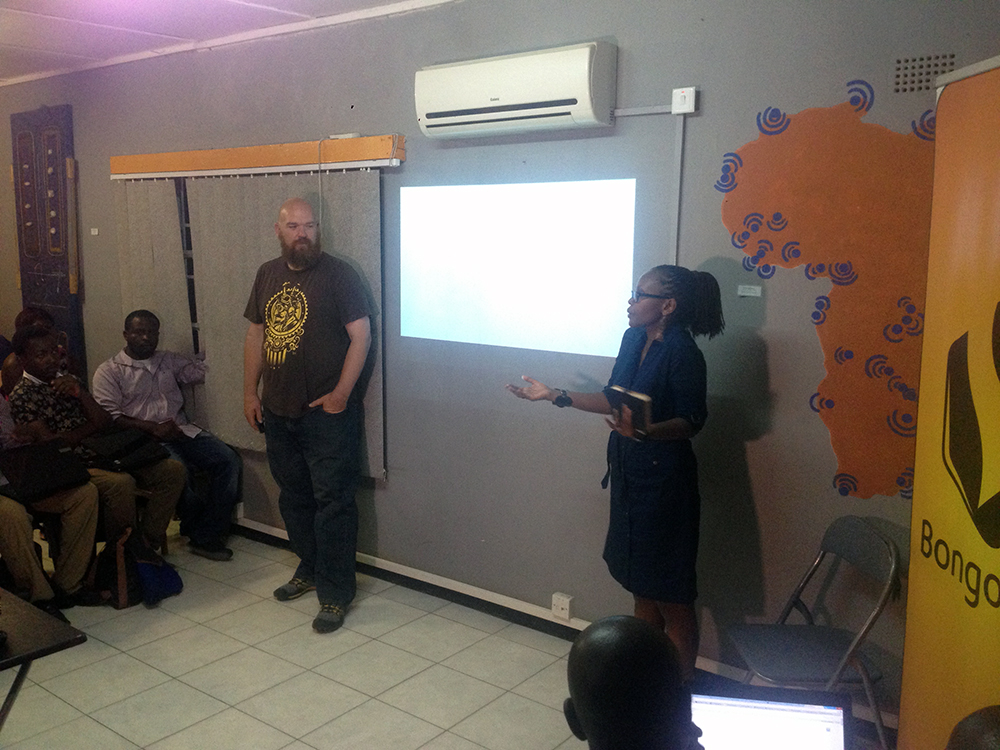
First Reg Orton and Phil Walton from the BRCK spent some time demonstrating and talking to the community about the BRCK. They spend a quality 45 mins with the community speaking not only of the genesis of the BRCK and why it was awesome, but some of the challenges of building hardware in Africa; from lack of quality human resource to manufacturing and customs challenges. They also spoke of lessons learnt from expeditions and putting the BRCK though tough situations. I for instance learnt the dust proof and secured lighting on the be BRCK was as result of the Turkana expedition which had sand storms, rain and other challenges thrown at the first version BRCK.


HUMAN CENTERED DESIGN

I spent some time sharing some thoughts on Human Centered Designs and some examples of why this makes sense, especially in a resource-constrained environment. It was based on practical methods, pros and cons of each. It was particularly nice to have some of the startups come up to me later and say they have been inspired or learnt from the presentation and will be making efforts to talk to their users.


CREATING A SUCCESSFUL BUSINESS

Erik Hersman has been around the block. He did a really open Q&A with the startups around building a business, securing investment and growing a business. One of the most insightful things that came out of the discussion is that there are people willing to invest in startups, but there far too few startups that are investment ready, speak the right business language and have prepared their business side of their tech. Another insight for me was the fact that having a great idea and a great team is not enough. He emphasized the value of a good network, which is often not well taken care of as people spend time building products and services.

It was quite interesting to me to observe the quality of individuals in the room. While the community is still nascent, the right people seem to be in the space. Hungry, motivated, willing to learn and that is quite refreshing to see. I think BongoHive is heading for big things.

STARTUP WEEKEND

It was the first time I saw Erik Hersman and Juliana Rotich share wisdom with startups about founding companies, building great team among other inspiring stories. While a lot of the startups had come to hear about product, capital and such, most of the talk was insights about people. Erik described people as the most important asset you will have. They also spent time on culture; the culture you build and defend should be unique to you and embody what your collective attitude is. Finally, the courage to do hard things. Doing hard things mean you have less people to compete with and more interesting things to do.

A great  day of sharing and learning happened at BongoHive and I’m grateful to have been there.

Expedition Technology – Part I

Along this trip, we are really putting the BRCK to the test. We are trying as hard as we can to dog-food this thing in the most extreme environments to see where it falls down and where it stands
up. Here is just a snippet of what we’ve learn’t so far. Some of it reinforces what we know and a lot of it, thankfully, is breaking down our preconceptions.

“Pickin’ up good vibrations”

We did a lot to make BRCK robust, we’ve used thicker than normal circuit boards, everything is tied down with multiple methods and in all directions. Hitting these washboards, thowing the BRCKs in
the truck and just plain misusing it has shown a few things. So far its done well, with all our BRCKs behaving flawlessly, other than one small thing. The microUSB cable keeps walking out! We know
we need to move away from this connector, but we really love it for so many reasons. Its one less cable to lose, one less to carry, and I have 20 spares at home.

450km of this. #brckexpedition

A photo posted by Reg (@regorton) on

Dust and Water (Fire and Ice?) 

Dust, its part of what defines Africa and part of what makes working in this continent so hard. The dust here is like nothing I’d seen before moving here, and something that is hard to comprehend.
If you look back in the blog, you may see our trip to Turkana. In this trip, we changed a lot about how V1 was made, specifically we moved the power button from the top to the side, and really
improved its weather sealing. Its these small changes that make a huge difference out here in the bundus. Driving from Arusha to Dodoma in Tanzania reinforced that thought. While the BRCK fared quite
well, it always astounds me where dust can get to.

We’ve often run on the theory that if you have a BRCK, you have a smartphone, laptop or some other high value equipment. Unfortunately this trip has shown that’s just not as valid as we hoped. The
BRCK is your often your only connection, your lifesaver, your redundancy. I have a laptop, a phone and iPad and many more, any one of these can get me online. I think the assumption is not true any more.

“Failure is not an option.”

But it will happen. We have to be realistic here. We are working in environments that are tough, dirty, messy and we must. As above, in order to make the device less complex we purposefully used
the thought pattern that ‘the BRCK will do the hard work for you’, but its frustrating to just wait in the dark. I want to know why it’s failing, and I want to help it get online now. We are activly working on improving the offline experience of the BRCK, like said before, its not going to be a traditional router experience, but conversational, something that gives you the information you need to know, but isn’t just for a networking expert to understand. With us on the trip is Mark Kamau, from the iHub UX lab, Mark is going to help us form a better mechanism for explaining why you damned BRCK isn’t working and how you can get it back online.

The Land Rover just 48 hrs before departure

The Land Rover just 48 hrs before departure

“Right here, right now”

This trip has been taxing, and we are only half way though. Sometimes in these taxing times when you are tired, dehydrated and hungry the last thing I want to have do is fiddle with tech, all I
wnat to do is make sure things are working, send an email home and get to bed. Right now there are 2 speed hiccups with BRCK. Firstly boot time, the BRCK typically boots in less than 45 seconds,
but then latching a network takes time and if something goes wrong then trying to rectify that with antennas, APN settings, checking the charge level all take time. Also, just doing prechecks in
the morning takes time, there are many things to do. Check the oil, check the tyre pressure, GPS batteries, everything bolted down and . Right now, we are working on the offline functionality to
speed this up and give you more information right there. For V2 we are going to address this, additionally, we are investigating display options so that you can see the status of your BRCK even
when its off, getting you all the information you need instantly.

Experiencing connectivity across African borders

Mark-Kamau

One of the challenges while traveling across Africa is connectivity. The experience of getting connected is often quite slow and unpredictable, especially when you are transiting through countries with places to be before  dark. Yesterday was a case in point. 

We were trying to get an MTN Line in Zambia so that we could connect the BRCK and test it while on the road across Zambia. It took over an 2 hour to get a SIM, have it registered, activated and ready for use. With over 960KM to cover, it is simply time we couldn’t afford. A the MTN shop, just getting the SIM took over 40 mins,. This took away precious time and even after an hour, we had to drive away without registration, which meant we could use the SIM. The instruction was to dial 111 every 10-20 mins until we were registered. This took another hour before we were good to go. 

The second challenge was the data bundles. We are going to be in Zambia for 2 days. We needed a plan where we could be online, unlimited, for 2 days. This does not exist. We could either buy 1GB each time and do the process all over again when it ran out, or buy a month-long unlimited plan, which was quite expensive. We are having to load 1GB each time. The system doesn’t warn when about to run out, it just cuts off. Its up to you to figure out if you are too far in the bush and therefore with no service, or whether it is your bundles that have run out. The instruction to check are nowhere accessible at the moment. I am sure if I called I would get them, but I shouldn’t have to. There is need for companies to consider not just the ability to connect people, but the experience of doing so to. It is not enough to have branding and cool premises, it is actually the service experience that primarily counts.

Eventually we got it going and I think the BRCK does a remarkable job, especially with the omni-directional Antenna. We steadily got 90+ connectivity whenever there was a signal, even when the signal was pretty weak out in the bush. 

Chasing the Sun (Days 3 and 4)

Catching up on a few updates at once here, you can read about Day 2 of our trip here.

It’s 6am in Lusaka, Zambia as I write this. The last two days have been a blur as we covered over 1,700 kilometers from Dodoma to Lusaka in what can only be considered as marathon sessions from sunup to just after sundown. Fortunately, both Tanzania and Zambia have some of the best roads we’ve seen, and the motorcycles and car all behaved well with only one slow puncture the whole way. We took small breaks every 100-200km in order to rest and move around a bit, but we’re still quite sore and ready for this day to do no travel.

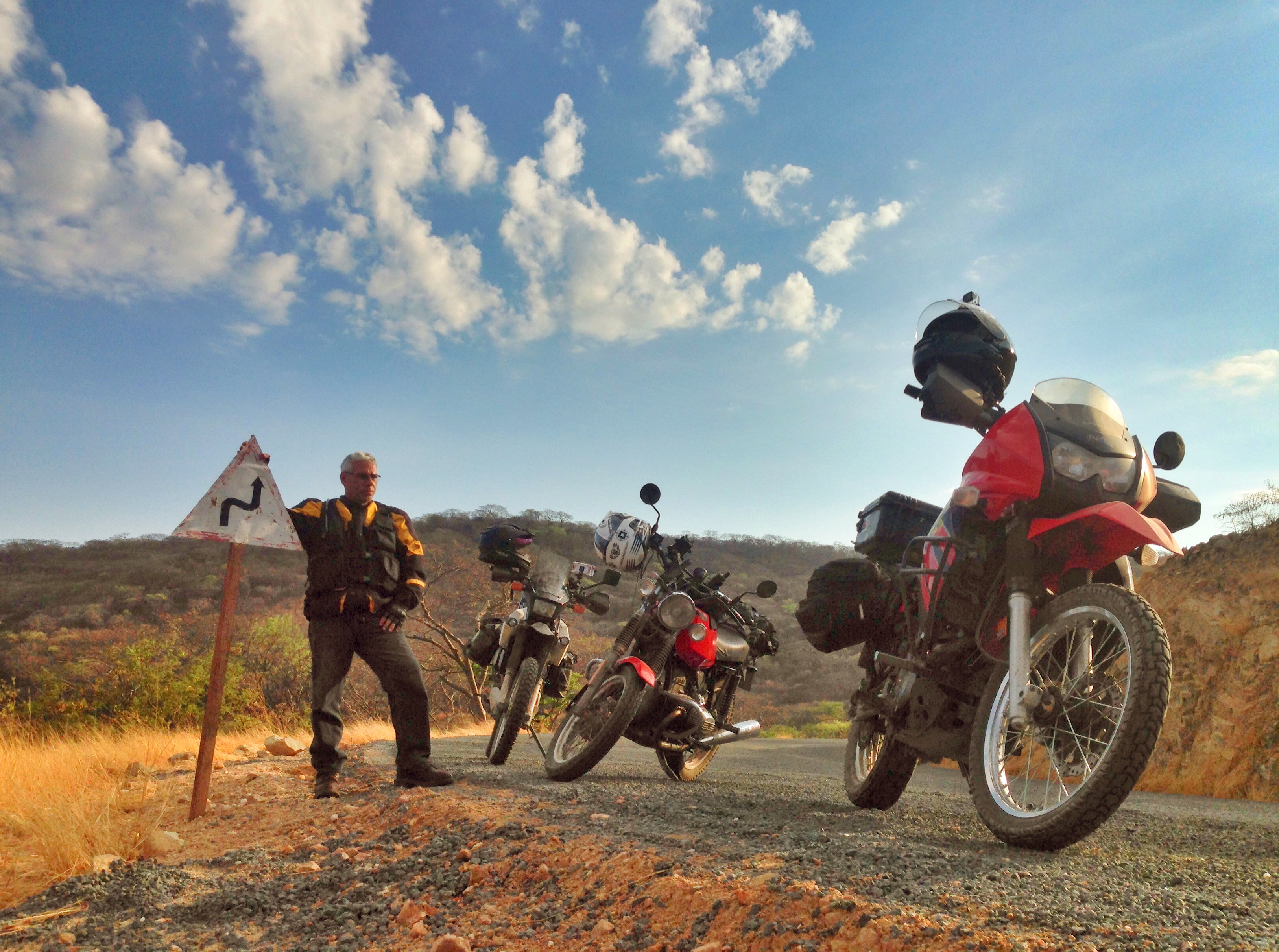
Some twisty's on the road to Iringa

IMG_3803

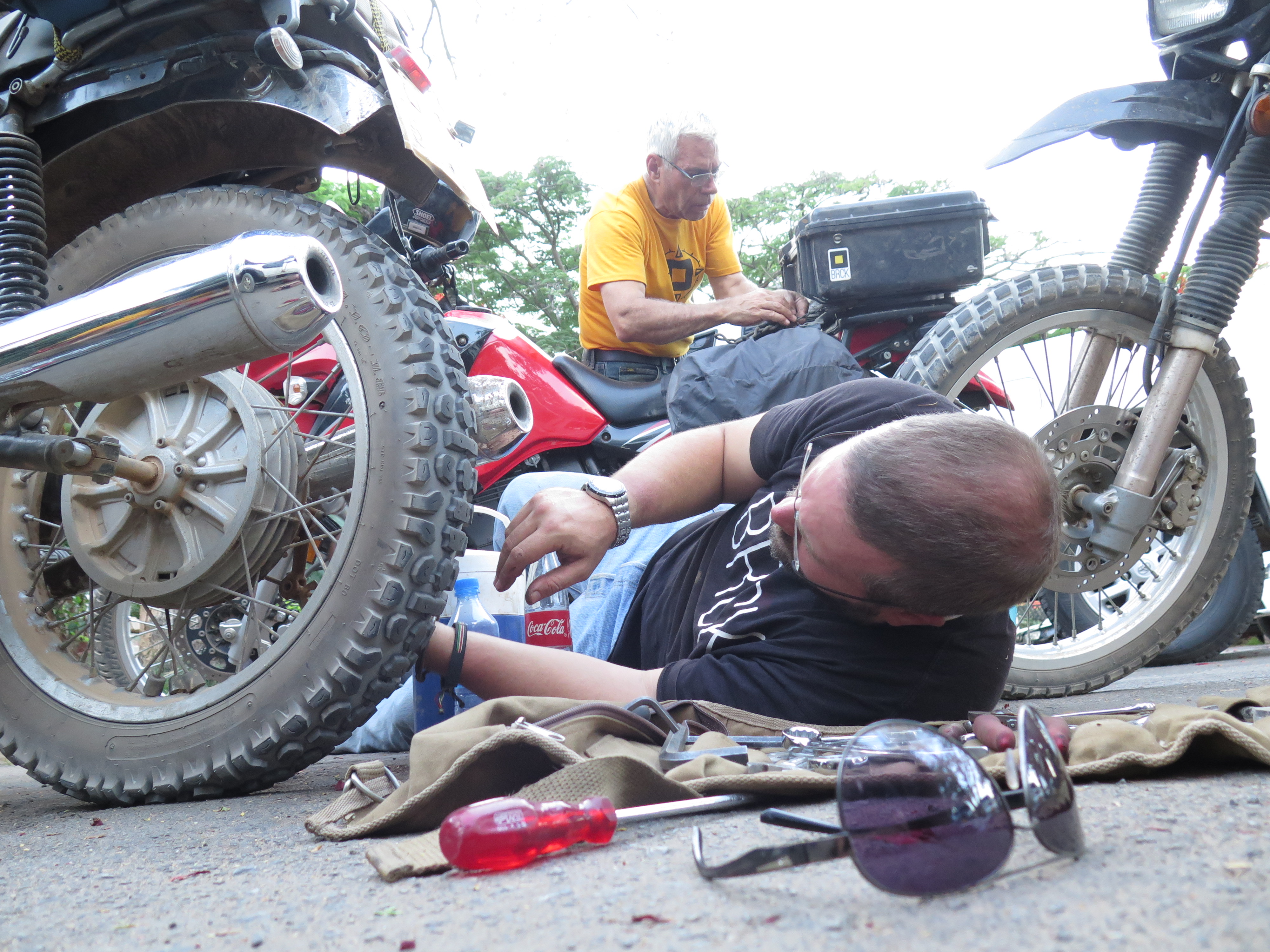
Parking lot mechanics in Dodoma, Tanzania

Parking lot mechanics in Dodoma, Tanzania

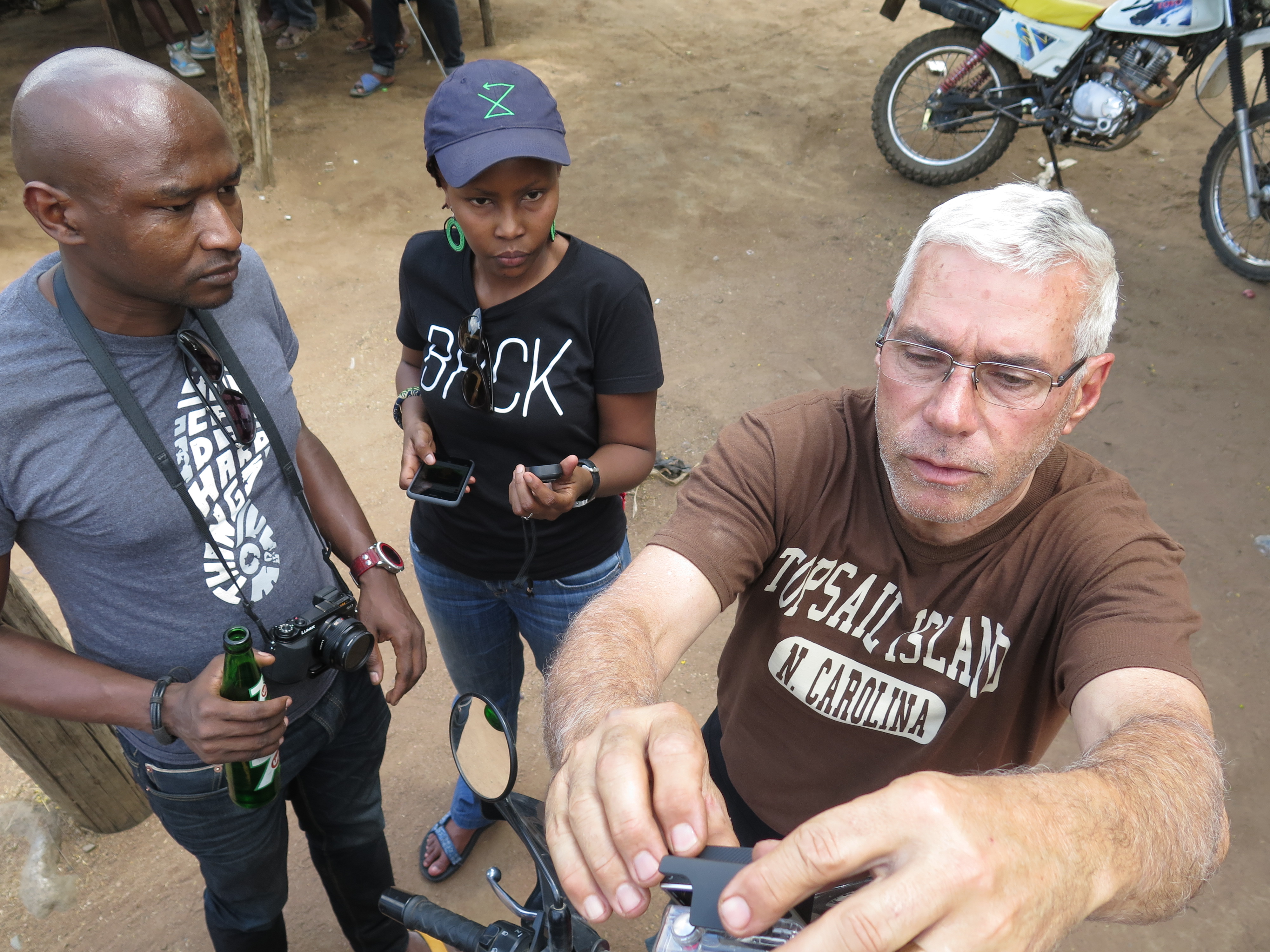
Mark, Juliana and Joel setting up the GoPro

Mark, Juliana and Joel setting up the GoPro

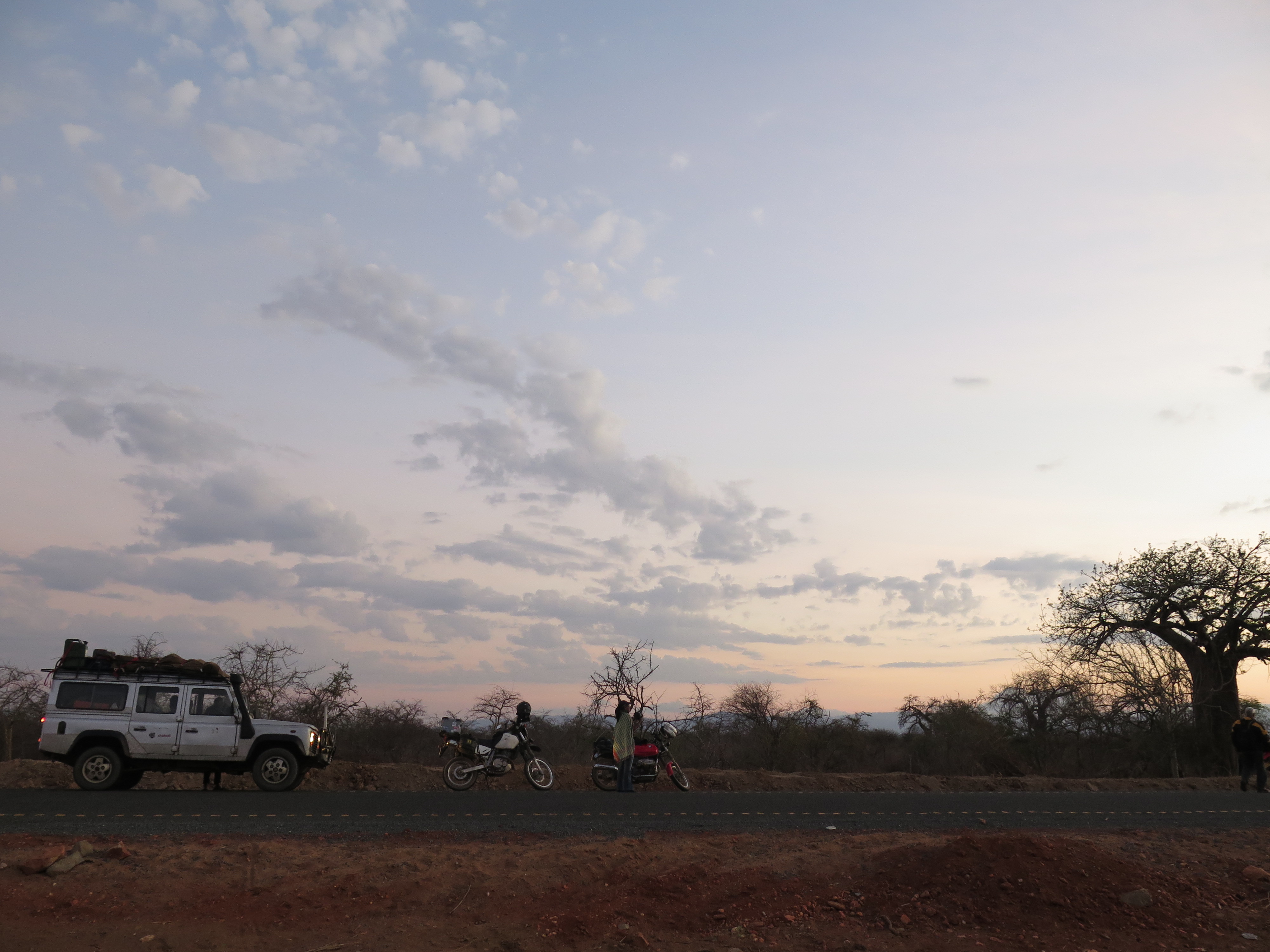
A dawn stop on the way out of Dodoma to Iringa, Tanzania

A dawn stop on the way out of Dodoma to Iringa, Tanzania

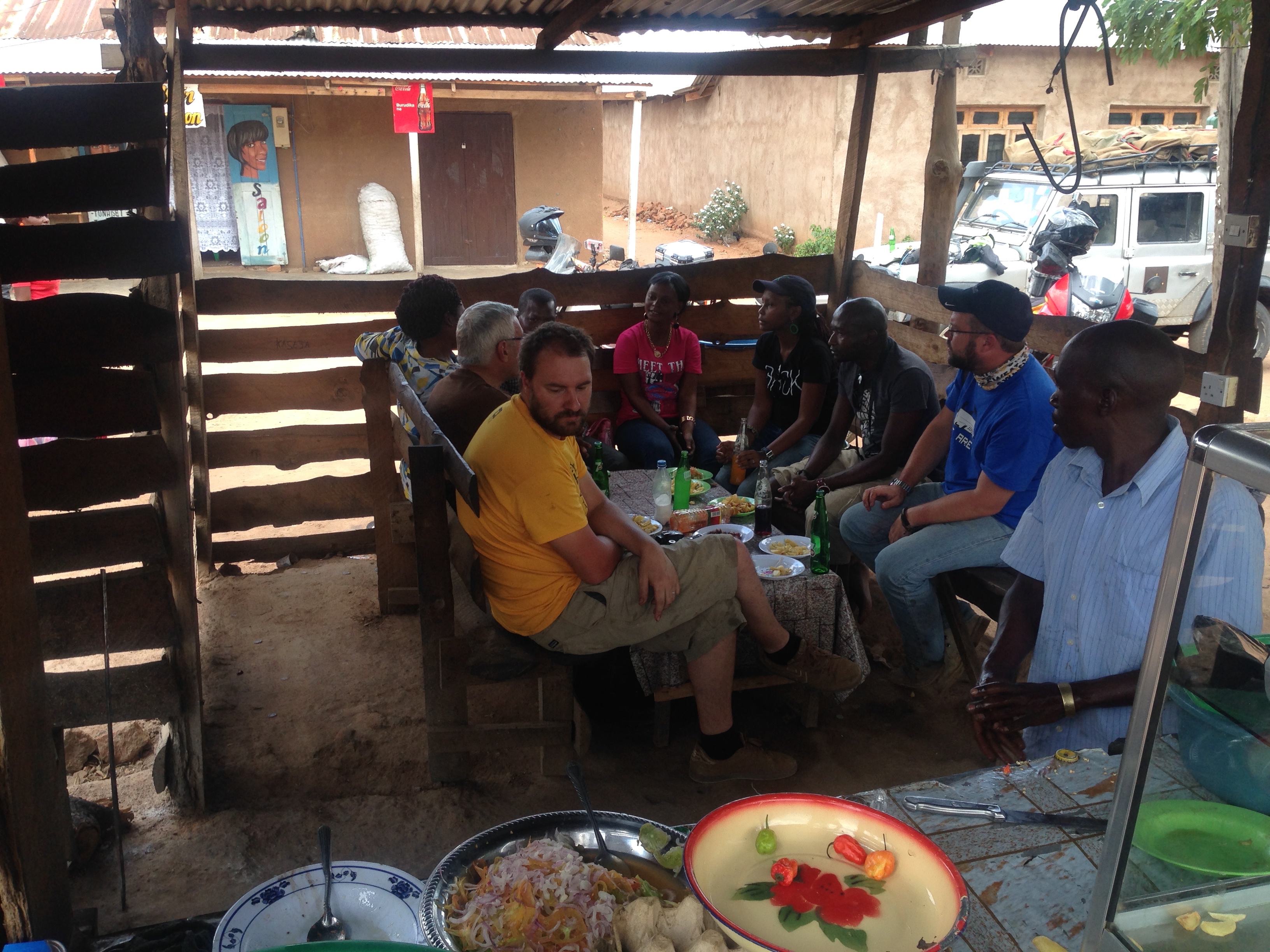
Grabbing lunch somewhere in southern Tanzania

Grabbing lunch somewhere in southern Tanzania

The border crossing from Tanzania into Zambia at Dunduma left a little something to be desired. What felt like it should have taken about 1.5 hours at most, ended up taking 3+ hours, which meant our last 50km into a campsite were done in the dark on the only section of bad road we’ve seen. People did warn us of this, so it wasn’t unexpected. However, the reason wasn’t because of long lines of trucks slowing us down, it was due to inefficiency in the process itself at both immigration and customs.

From here, our days get a little more sane, with a run down through Victoria Falls into Botswana and then finally Johannesburg. As an aside, it turns out that half-way between Nairobi and Jo’burg is almost exactly at a small town called Serenje, Zambia – 2,200km from each.

Time at Bongohive

We pushed so hard to get to Lusaka by now so that we would be here in time for the events at Bongohive, Lusaka’s tech hub, which were all scheduled for today.

1pm – Demo of BRCK (Philip Walton and Reg Orton of the BRCK team)
3pm – Meeting with Startups (Mark Kamauof the iHub UX Lab) – HCD, UX, DT
4:30pm – Meeting with Startups (Erik) – Investment readiness, experiences with Savannah Fund, getting into new markets etc
6pm – Keynote at Startup Weekend Lusaka (Erik and Juliana Rotich)

Lukongo Lindunda is the co-founder of the space, and we’ve known each other for years, since before they got it started back in 2011. I’ve been looking forward to seeing everyone here in the tech space for a while, and I’m interested in hearing what’s brewing in the startup scene.

Some of the startups that I’ve heard about from Zambia include:

  • ShopZed.com
  • Bantu Babel
  • Venivi
  • DotCom Zambia, BusTickets
  • TeleDoctor
  • SCND Genesis

If you’re part of the tech community in Zambia, I hope you can swing by, and we’re all looking forward to seeing you as well.

Lessons From the Trip

Since we’ve started this trip I’ve been thinking a lot about communications, as one would expect with a BRCK expedition, and especially mobile comms. We outfitted the truck with a omni-directional Poynting antenna on the front bumper, hooked up into the car, where we can also connect it to an amplifier if needed. As we drive down the road, we have a pretty good mobile WiFi hotspot, as long as we’re in range of a tower.

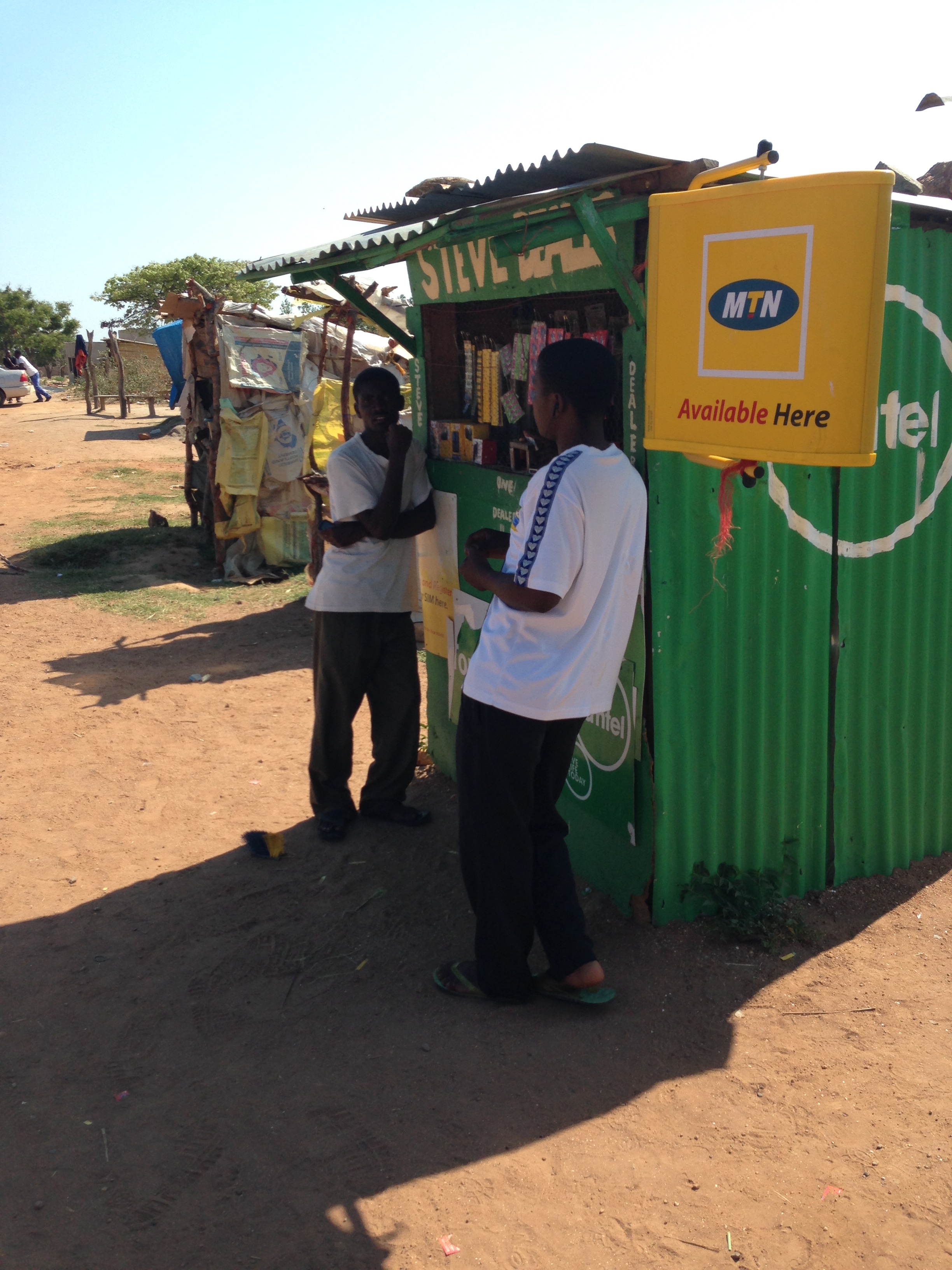
The mobile phone kiosk, a mainstay of rural Africa

The mobile phone kiosk, a mainstay of rural Africa

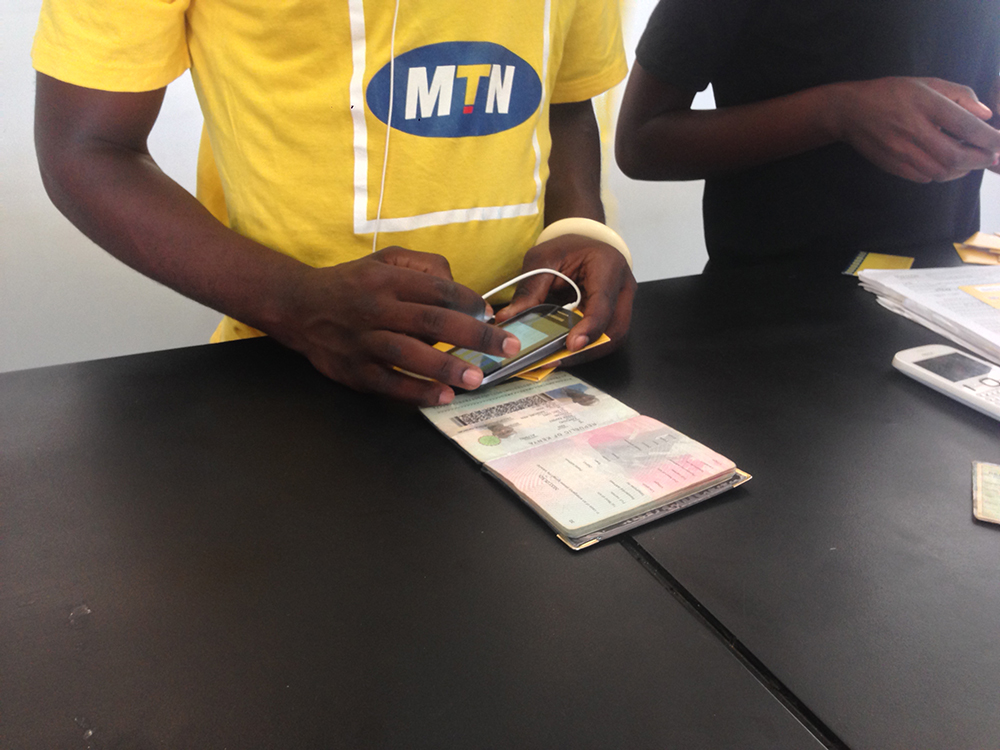
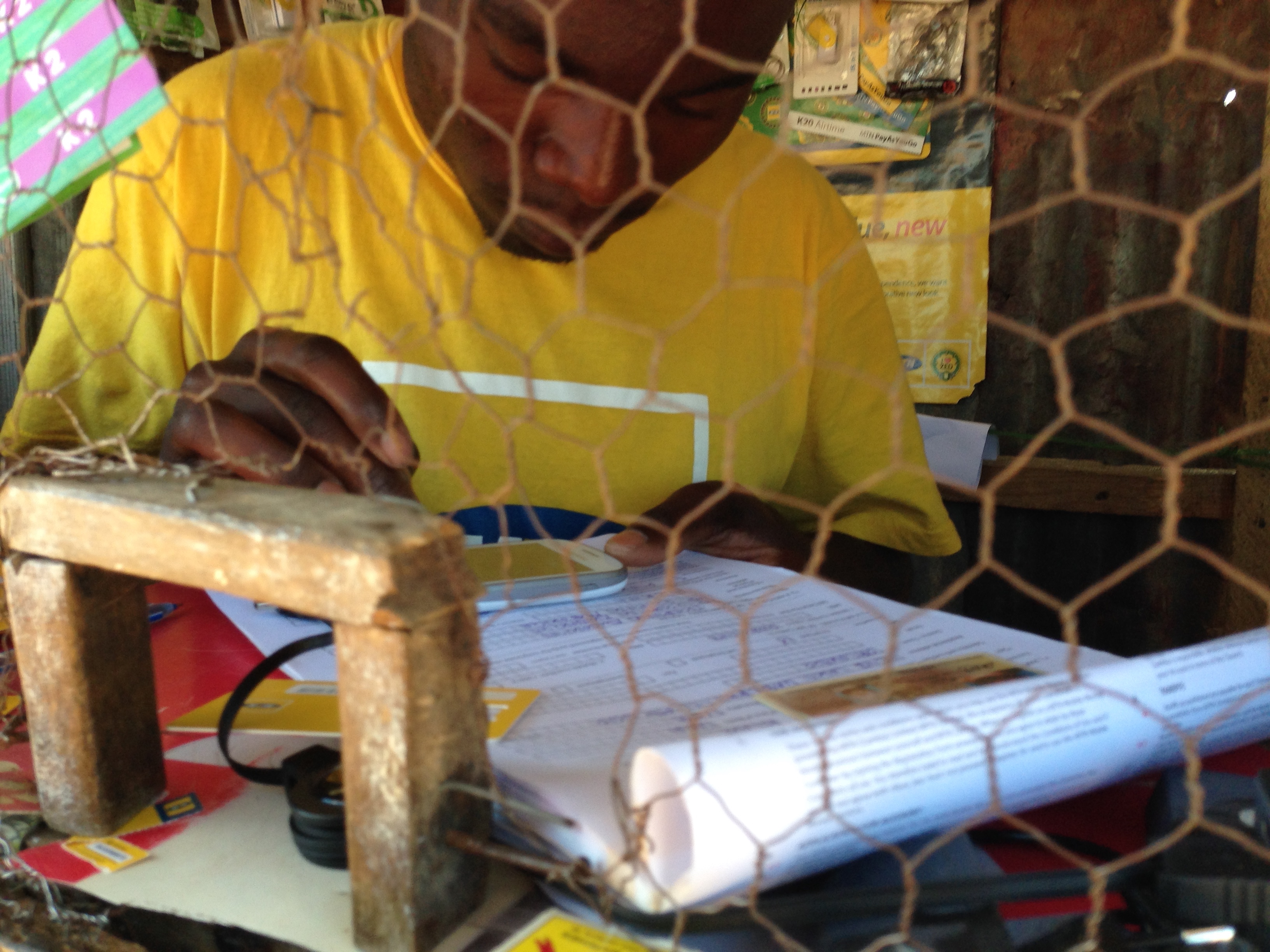
The last few years have seen a number of countries implement a registration process to buy SIM cards (ostensibly this is for security though it’s not been proven to be useful for anything more than big brother activities by governments). Even buying a SIM card is then a process of identification (usually passport or drivers license), so you have to budget for that 30-60 minutes to get that done, since it’s usually filling out a form by hand.

Registering an MTN SIM card in Zambia

Registering an MTN SIM card in Zambia

You then purchase credit for the SIM card and load it up – this is the easiest part.

Now you get into the “mystery meat” part of the process, which is how do you turn that airtime you just bought into internet credit? Each network in each country has a different way of doing this, some combination of USSD or SMS to get it going.

A couple things come to mind now when we look at the BRCK.

First, we need a terminal screen in the BRCK interface for us to do all of this from the device itself. Right now we find ourselves popping out the SIM card and using a phone (Mozilla’s 3-SIM phone is amazing for this purpose), and then inserting it back into the BRCK when done.

Second, there needs to be a database of this “airtime to internet data” information that we can all use. I’m not sure how best to get this going, but I know it would be immensely useful when you drop into a new country to have this at your fingertips.

We’re already working on the first issue, of USSD/SMS interface, but it’s complicated, so it’s taking longer than we’d like. This trip is about learning, and we’re already finding a lot of things to do better. Look for more posts on the BRCK blog from the others as well.

BRCK Expedition – A Dash South – Day 2

We ended our first day well at an incredible campsite in the middle of Tanzania. We mostly got to bed at a reasonable hour with an agreement to get moving at 6 and wheels rolling by 7. We hit the first but missed the second. It wasn’t that we were wasting time but there is always a bit of effort to get ourselves into high-performance, expedition pace.

The early part of the morning was spent at a proper speed on some of the best roads in Africa. We would hit towns of various sizes every 40-50 kilometers and we learned to recognize the size/status of the town based upon the number of speed bumps and cell towers. On the bikes it was easy to lift up out of the seats and take the speed bumps at a reasonable speed. The truck on the other hand had to slow down. In addition to the impact of the speed bumps, the truck was a target for every police stop. The bikes just waved as we went flying by. We really were in a zone for a couple of hours as we let the kilometers roll by under our wheels.

And then things changed… A lot!

10706946_1577981059091637_372139915_n

We had a choice this morning to either go the eastern (shorter) route or the western (better) route. Everyone (I literally mean every human we know who has ever even heard of Tanzania) told us to take the western route. We, of course, decided to take the eastern route. They were right. We were wrong.

It started off reasonably ok with a bit of hard packed dirt. Although my bike wasn’t really designed for this kind of stuff, the other vehicles are in their element when the tarmac ends. And then things got worse. The road went from hard pack to fresh-fresh (talcum powder like sand). We would have sections with washboards so bad that our bikes would bounce all over the road. Then we would have sections with huge rocks that did their best to total our vehicles.

Reg had the first incident when he slid the truck in the fresh-fresh and ended up in a ditch. Nothing serious but we found out a few kilometers later that he had bounced the rear spring out of its mounting. We subsequently found out that the spring had rubbed on the sidewall of the tyre. The tyre (and rim) met their end on some very difficult washboard when they disintegrated into many, many pieces. No injury, but it was another delay on an already delayed day.

10808952_882584061774388_1680736984_n

Although the bikes faired better mechanically (the only issue during the day was a broken box mount on Joel’s KLR), the riders suffered greatly. As we watched the remaining distance to Dodoma very slowly trickle down, our bodies were thrashed royally by the terrain. Sore hands, dust filled eyes, and shattered nerves from the many close calls in the loose dirt. When the dirt wasn’t giving us grief the buses that would fly by at uncontrolled speeds would nearly knock us off the road. We would stop frequently but the breaks were always too short and the pressure for pushing on too great.

We had intended to be in Dodoma by 10am where we were going to pick up Mark Kamau and Juliana Rotich. The plan was that we would then keep going to Iringa and spend the night closer to the Zambian border. As the hours ticked along and the kilometers did not we started to realize that our decision was going to have a significant impact on our overall schedule. Instead of making it past Iringa, we were going to have to fight to just make it to Dodoma. With about 70km to go we stopped at a police check to ask how much farther to the tarmac. The cop answered 20km but we are generally suspicious of time and distance responses from people in rural Africa. He was actually spot on and, 20km later, we rolled our bikes onto beautiful a made tarmac road. We had to hang out for a bit as Reg was dealing with his disintegrated wheel but we all breathed a sigh of relief to be back on the good stuff.

As we flew along towards Dodoma we settled into the reality of needing to adjust our schedule slightly for the remainder of the day. As if we had not had enough punishment for our decision, we suddenly found the tarmac ended and we were once again getting pounded on the loose dirt. We knew that we weren’t far from Dodoma and we were confident that the capital city would have only paved roads.

We were wrong again.

The dirt took us all the way into Dodoma – with pavement showing up once we were in the town proper. We found the rest of our team hanging at the New Dodoma Hotel and we used their wifi to search for accommodations south of the city that would put us on our path towards Zambia. We quickly found out that the New Dodoma Hotel was the only option available and so we relented to real showers and a night in real beds. While we still had daylight we did a full round of mechanical checks and fluid top ups on the vehicles. We reworked our route for the next two days going into Lusaka and we enjoyed a nice meal together as a team.

Although today was not anything like we expected when we woke up this morning, we once again validated why we do these expeditions. It is simply impossible to know what Africa can throw at you until you get out there and experience it for yourself. We are learning a lot about what is required to actually be rugged-enough for Africa. We are seeing how critical reliable technology is in remote and difficult situations. We are improving our ability to persist and succeed in the face of insurmountable odds. Finally, we are learning to adapt to our circumstances and not lose sight of the bigger objectives. These aren’t new lessons for us but they are lessons that we need to be continually reminded of as we attempt to build BRCK into the kind of company that can have the kind of impact that we want on our greater community.

10809747_745755318833020_398782994_n

It wasn’t the day that we hoped for but – with all vehicles and riders still in this expedition – it was the kind of day that we will look back on with fond memories. We will tell stories of this day for years to come and, hopefully, somewhere in the dust, oil, sweat, and tears there was the start of an idea that will eventually find its way into a BRCK product. For that one goal, today was well worth it.

BRCK+Pi

It’s funny what causes one to get excited. For some it is the smell of something new. For others the satisfaction of helping someone out. For me, it is the magic of seeing something that we designed come together into a product that is more than the sum of its parts.

In the very early days of BRCK we envisioned this amazing expansion ability. We added USB lines and power connectors. We had some vague ideas of what this might be used for but I don’t think that we could have imagined the device that I am now holding in my hands. This is, simply put, the coolest piece of tech kit that I have yet to experience.

Ok, I hear you saying, but it is your company’s tech so obviously you think it is cool. Sure, I am biased but then it isn’t really the actual device that has me so excited. What really has me excited is the potential of what this device could mean for people across Africa – particularly school children.

Simply put, the BRCK+Pi takes all of the ruggedness, power resilience, and connectivity flexibility of the BRCK and adds incredible application processing capabilities. A BRCK on its own is capable off serving up static content but a BRCK+Pi is capable of rich interactions and locally hosted applications. In our view, this creates the potential for a new computing UX paradigm at the edge of the network. A paradigm where “the” cloud might not be “The” Cloud. Where communities can access the content that is relevant to them without being perpetually connected to the rest of the internet. An opportunity to change the way we think about educating the 400 Million plus school children on the African continent.

This wide reaching potential is what makes the BRCK+Pi such an amazing piece off technology – regardless of who developed it.

I first wanted to write about this new product we are developing when Reg and I actually plugged the two devices together and served up our first web application. It was a cool moment and I really wanted to share it with the world. That was six weeks ago and Reg was frantically preparing to head to Mozfest for the official announcement of BRCK+Pi. As so often happens in a small company with too few resources, I started the post but never finished it.

Fast forward to today, Nov 24, and the BRCK team is sitting at a camp next to the Tarangine park in Tanzania on the first day of our epic overland expedition to South Africa. As we sit around the fire warming sore muscles from a long day of riding, Erik and I are uploading and sharing our images on the BRCK+Pi media server that Kurt built for us. Since we are gluttons for eating our own dog food, we wanted to put this amazingly cool device to proper use as we work our way across 9,000km of southern Africa.

As if sitting in camp and having a fully functioning media server running from an integrated BRCK stack wasn’t enough, we just so happen to be in an area with limited backhaul over the cellular lines. We are fortunate enough to have one of the iSavi devices from Inmarsat to provide satellite backhaul from anywhere on the planet.

So as I am typing this, as we sit by the fading fire under the African stars, we have a BRCK getting connectivity through an iSavi connected to a Pi that is providing our media storage as Erik and I are seamlessly exchanging and uploading media so that we can share our latest BRCK story with the world.

While our current use case may not save the planet, there is no doubt that the lessons we are learning this evening will have a lasting impact on our ability to redefine the ideas of computing at the edge of the network and in emerging markets – especially Africa.