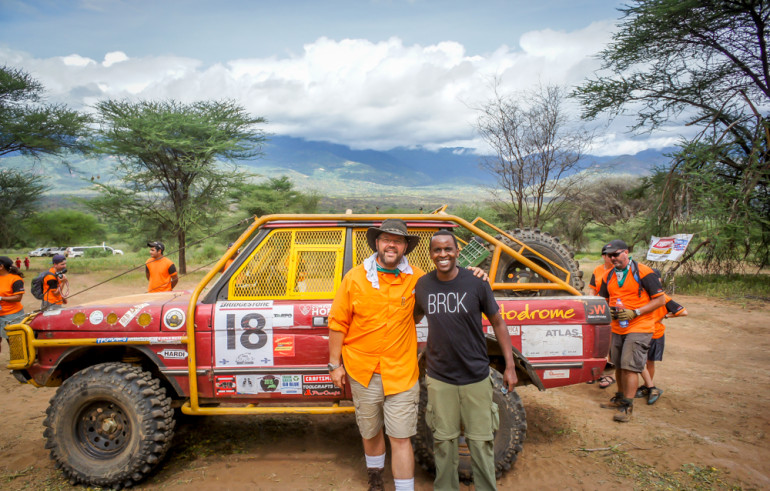
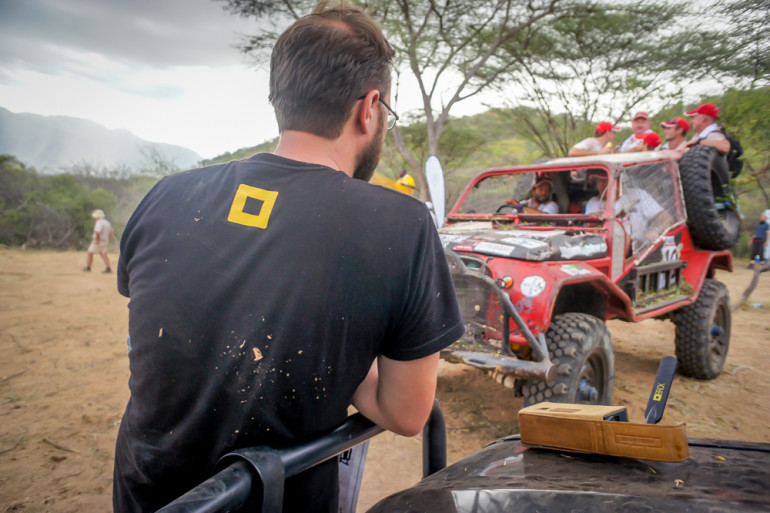
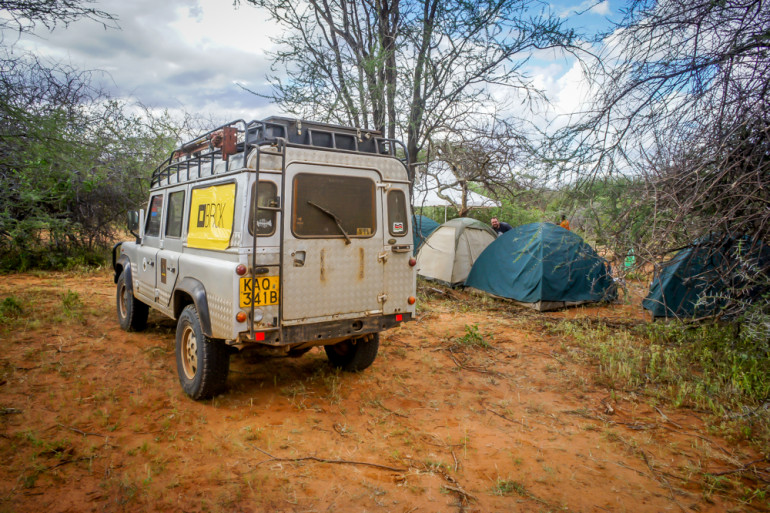
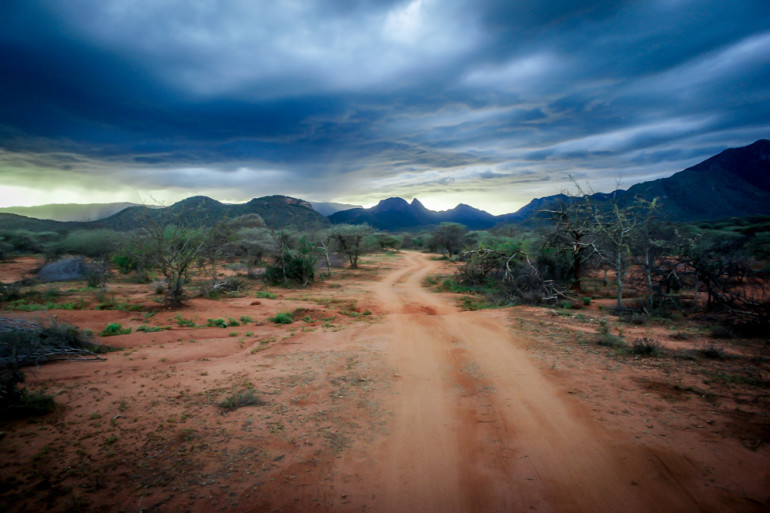
“Made in Kenya” the 2015 Samburu Expedition

Made in Kenya, the BRCK 2015 expedition to Samburu, Kenya

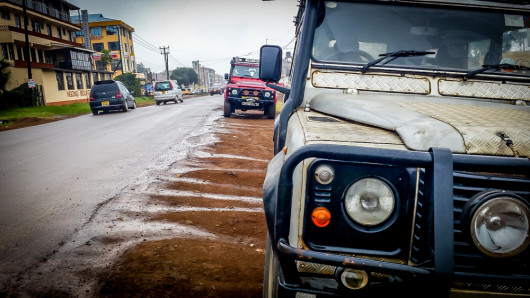
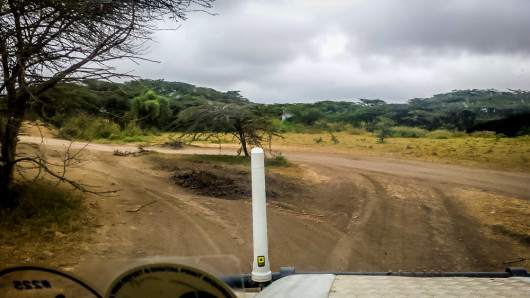
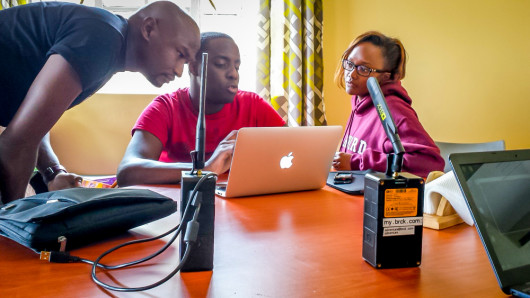
This morning finds us on the road north of Nairobi, heading to Samburu country in northern Kenya. [Actually, it finds us delayed by 2 hours as we troubleshoot a bit of the new education software, but that’s besides the point!]

Each year we do an expedition, last year we did a trip to Uganda testing around education. The year before that we went up to the shores of Lake Turkana. Here’s a video from our trip last year to South Africa overland:

Kenya to South Africa / Nairobi to Johannesburg from BRCK on Vimeo.

Samburu Schools

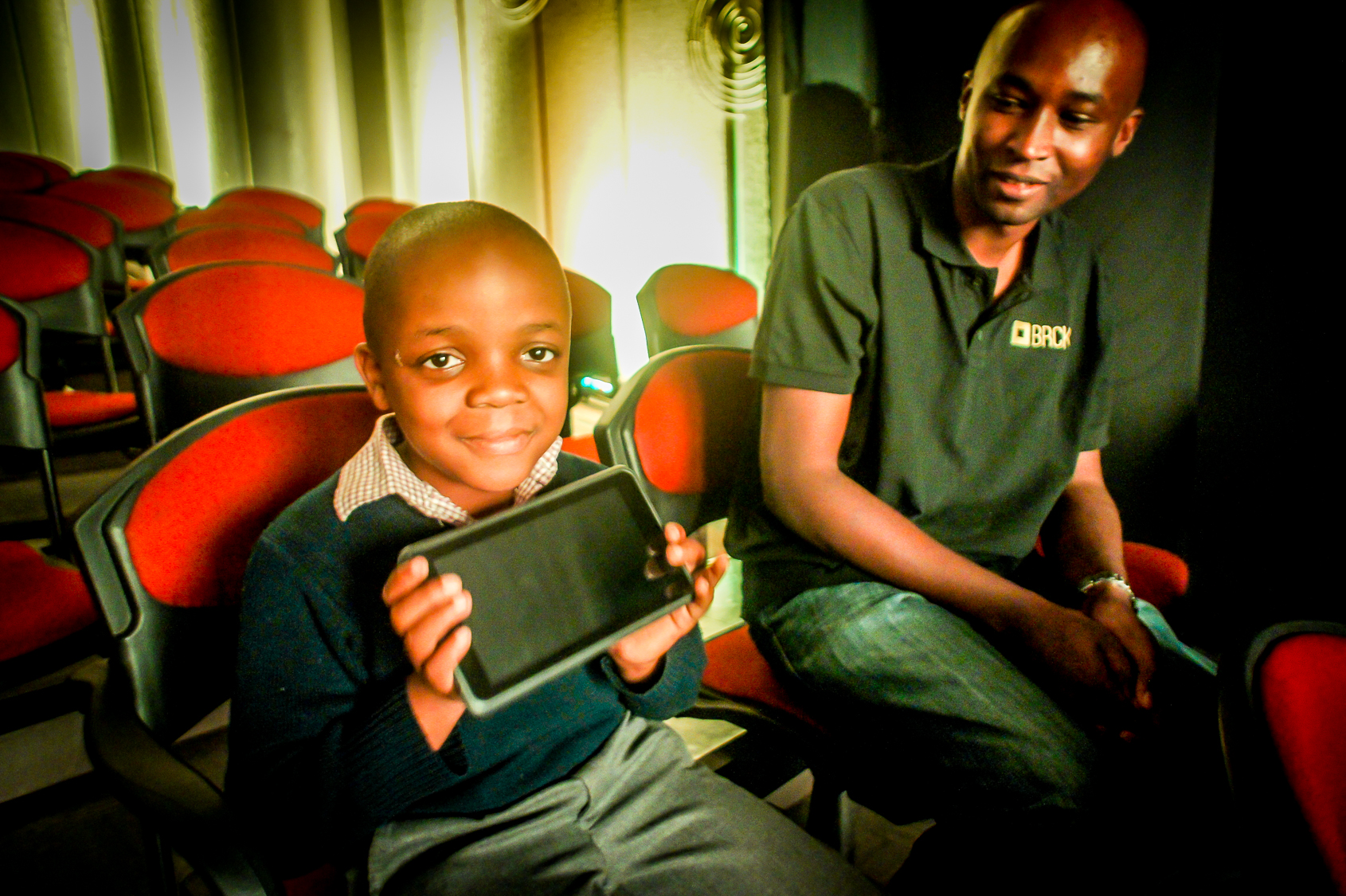
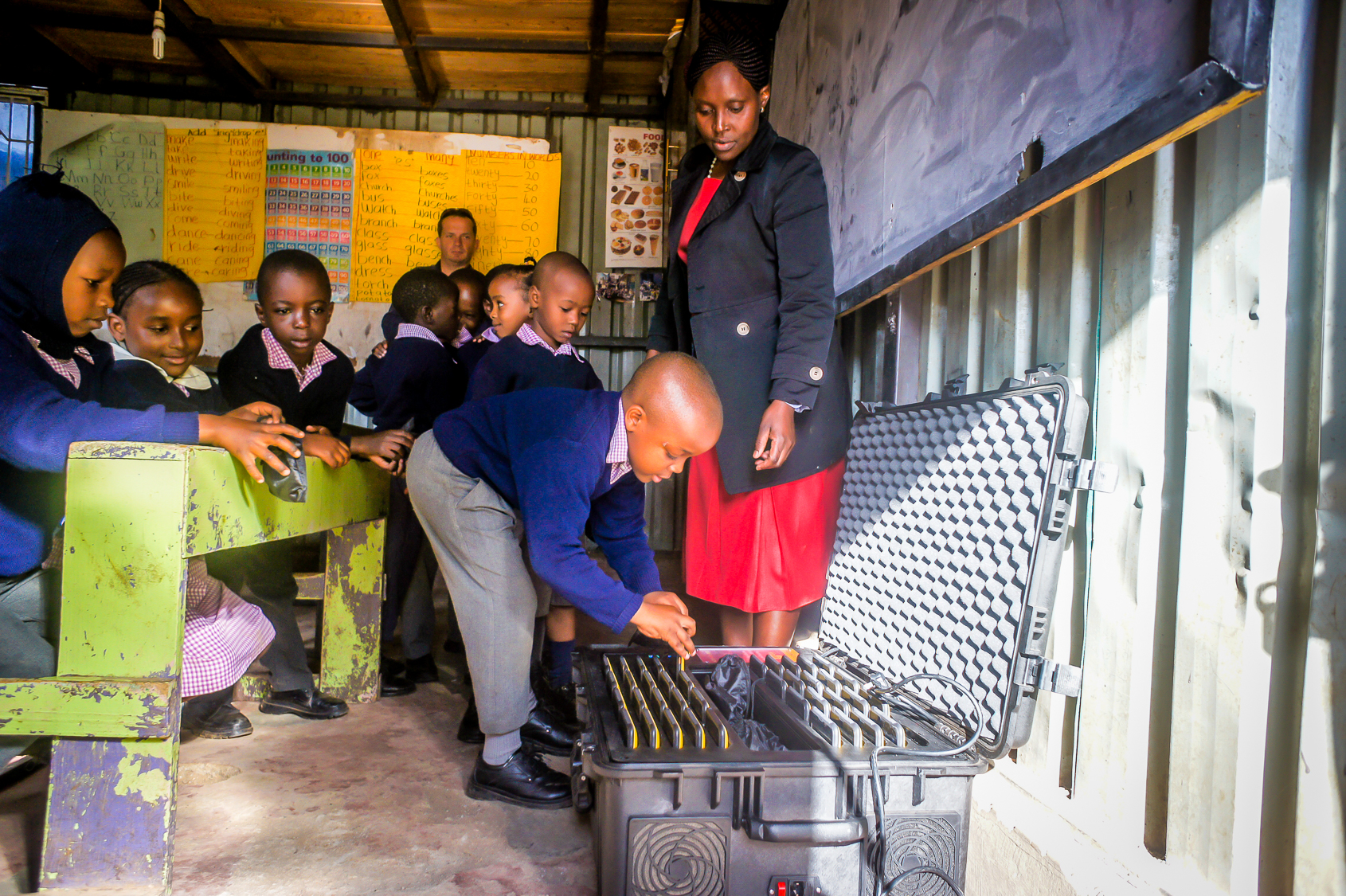
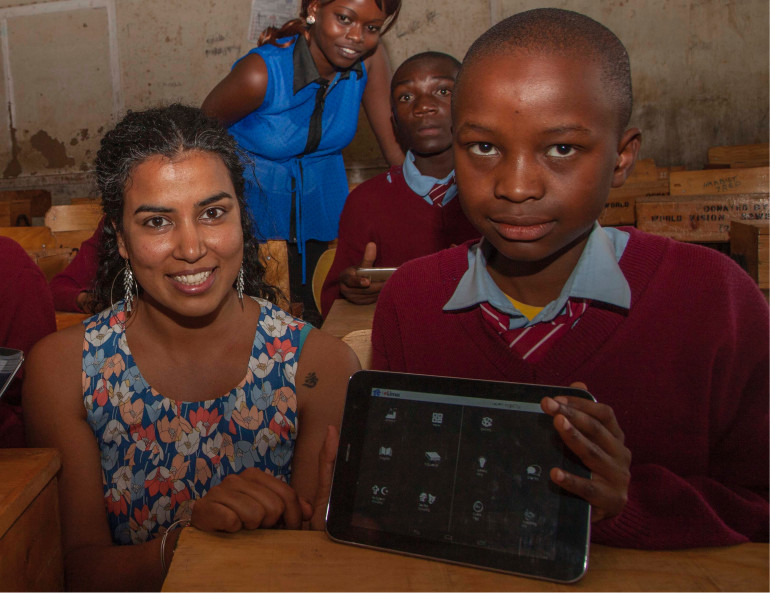
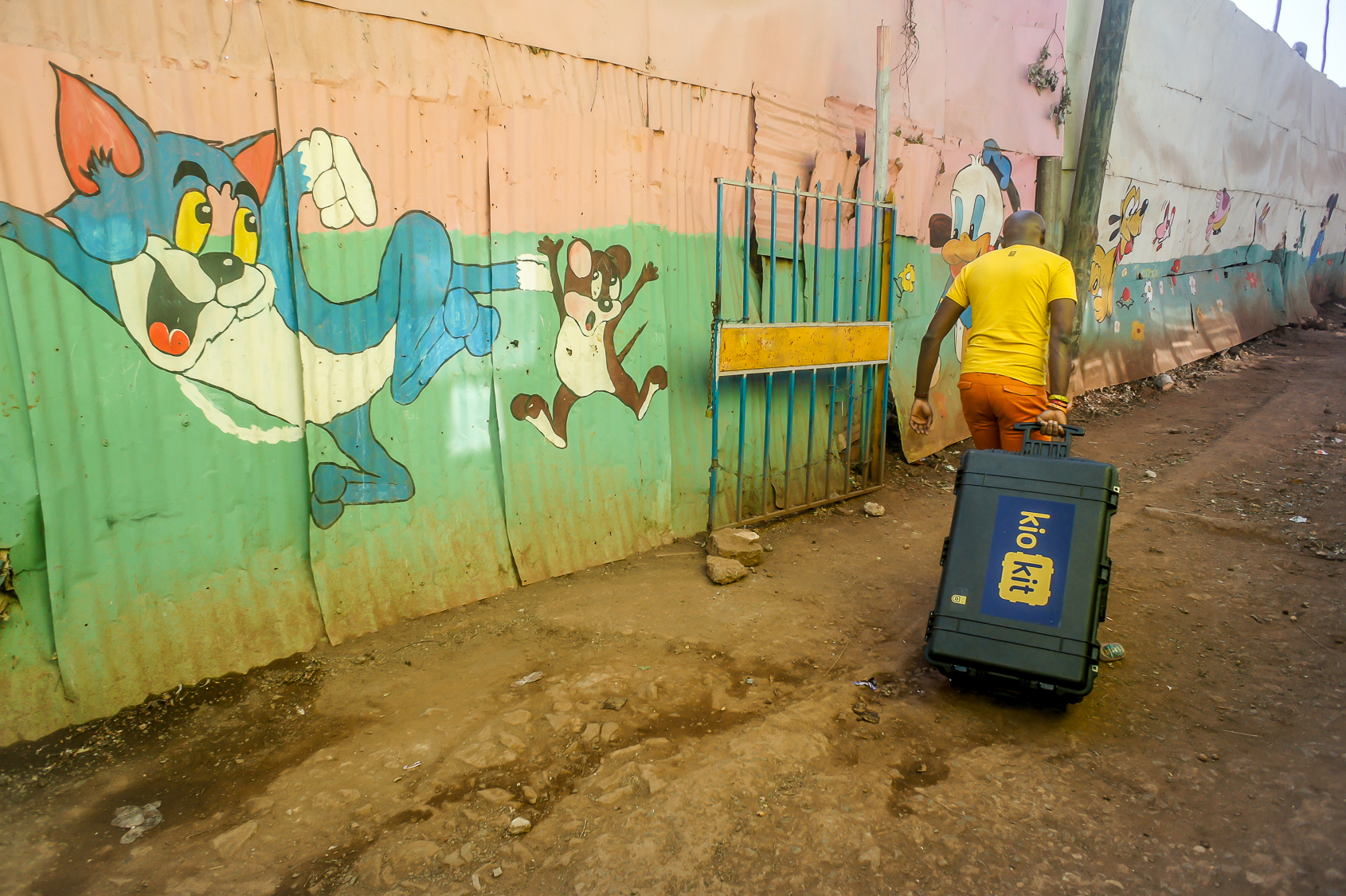
This year we’re going up to Samburu county to do two installations of our BRCK Education school system called the Kio Kit. This kit comes with 40 seven-inch tablets that are all wirelessly charged and the BRCK device acts as the brains of the network, loading content supplied by a number of different partners. All the info on the Kio Kit is in this video below.

We Introduce the Kio Kit from BRCK on Vimeo.

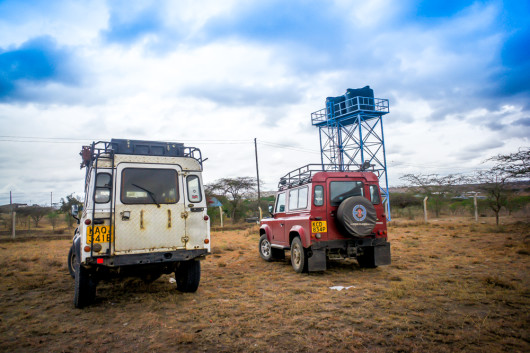
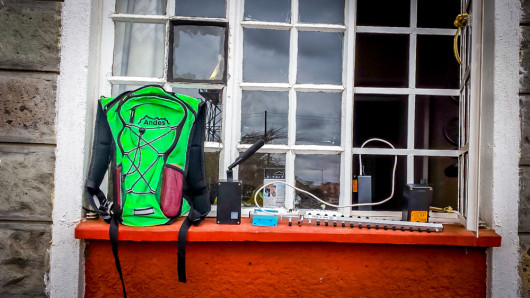
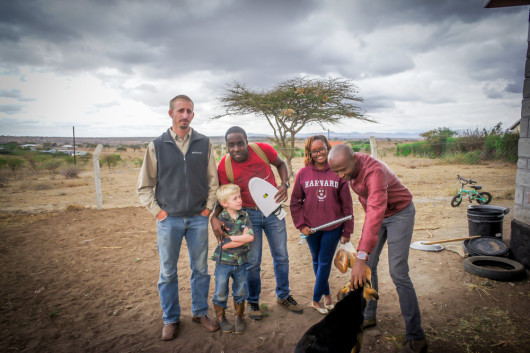
The trip north takes us to a school near Archer’s Post, and then a couple days later to one near Korr. Both of them are well off the road, but have been electrified by the Kenya government’s school electrification program. So, while we’re going with some extra solar kits, we’re expecting to be able to use the school’s power system.

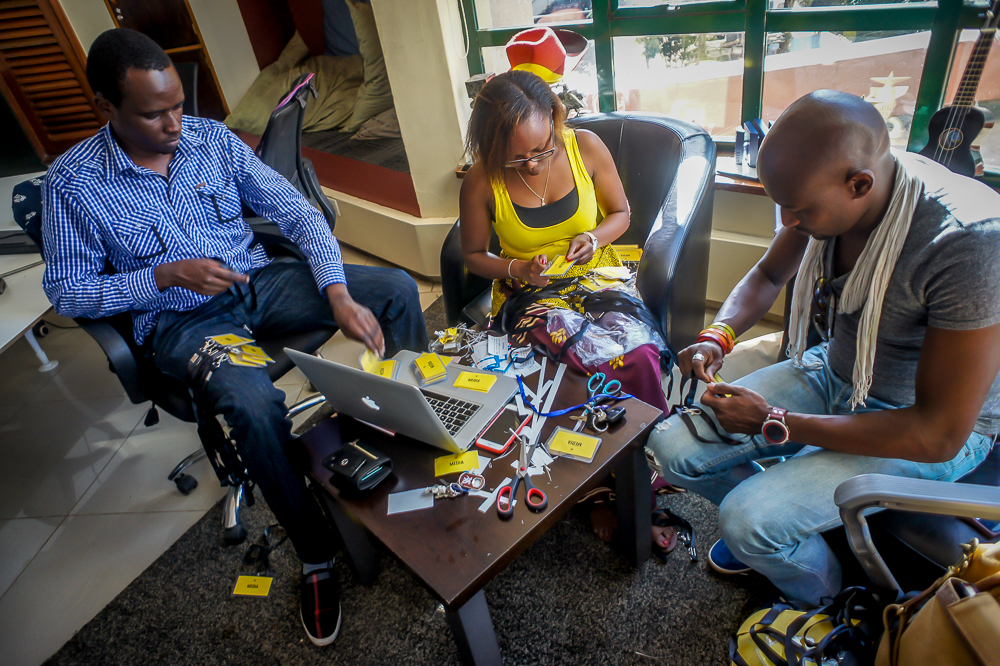
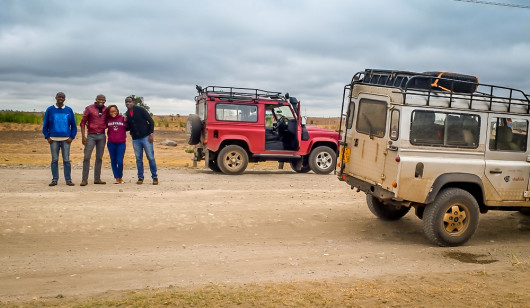
On this trip is Mark (UX), Jeff (Design), Nivi (Education), Janet (Ops), Rufus (Customer Service) as well as Philip, myself, Juliana and Peter. It’s a full roster and we’re looking forward to having an adventurous road trip.

We’ll be posting on this trip for the next few days, so you can follow along here on our blog, on our Twitter account @BRCKnet and on our Instagram account @BRCKnet.

Hacking away at Mozfest 2015

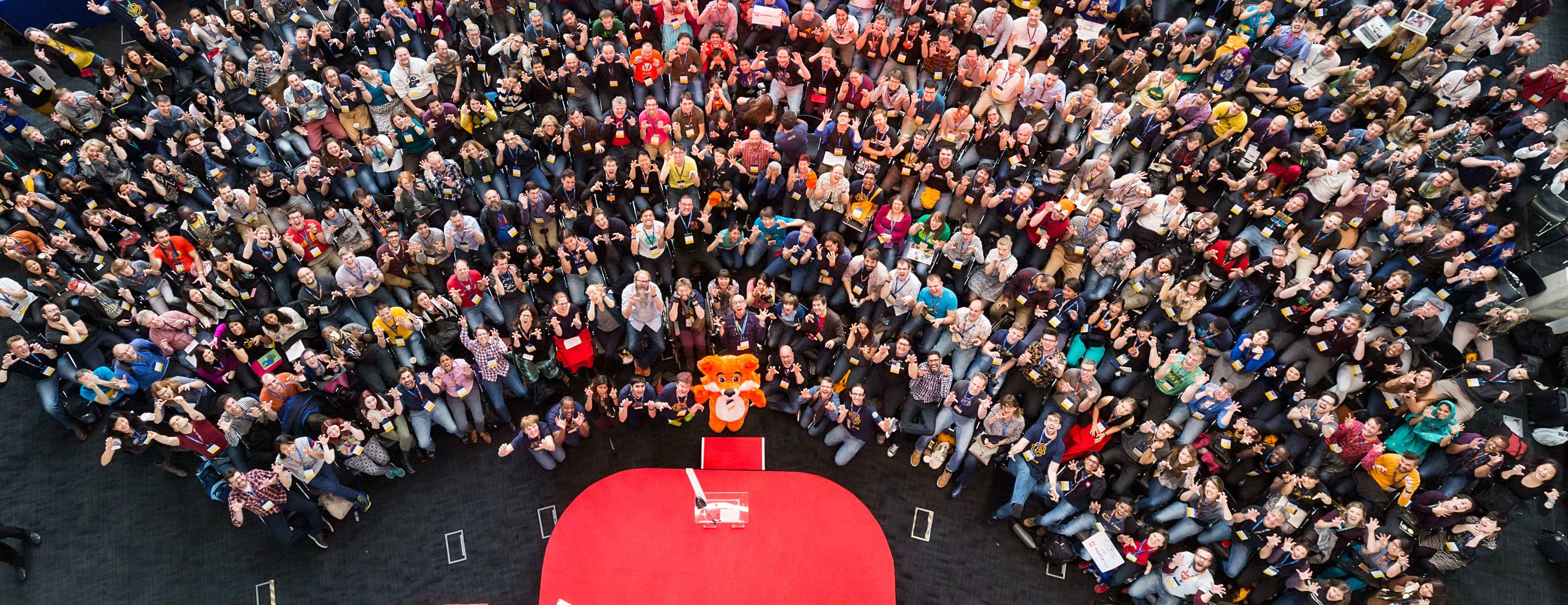
MozFest gang photo

The internet, to me is the most amazing invention of all time. It takes interaction and sharing of ideas to a whole new level breaking every barrier previously known to man.

In appreciation of this every year Mozilla gathers makers, designers, builders, coders and creative folks to come into one innovation garage. This allows individuals to share ideas and make them a reality.

Like many other firms, BRCK exists only because the web exists. It is important to us to share our knowledge and ideas with the community and to build on some of those ideas together.  A couple of months back we decided to follow through on working with the Raspberry Pi.

We have used it on projects such as our education project.
In February of this year Erik asked me to load some applications that we can use for offline use on our BRCK+Pi add-on for the BRCK device.  This takes a normal BRCK and then adds a Raspberry Pi compute module to it to provide computing and more storage to the already existing connectivity on the device.  In essence we get a rugged micro-server.

A few hours later I had Ushahidi and Etherpad-lite on it. The next step was to try and figure out what can we do to take this to the next step. This is where the idea of CrisisStack came into play.

We thought it would be nice to have a clean interface where users can easily choose what applications they want to install, launch and delete as they wish. It would act as a form of the offline internet. A user would be able to interact with this and they should feel like they are on the open Web. If they then get a connection to the internet the applications on the device can then sync the data.

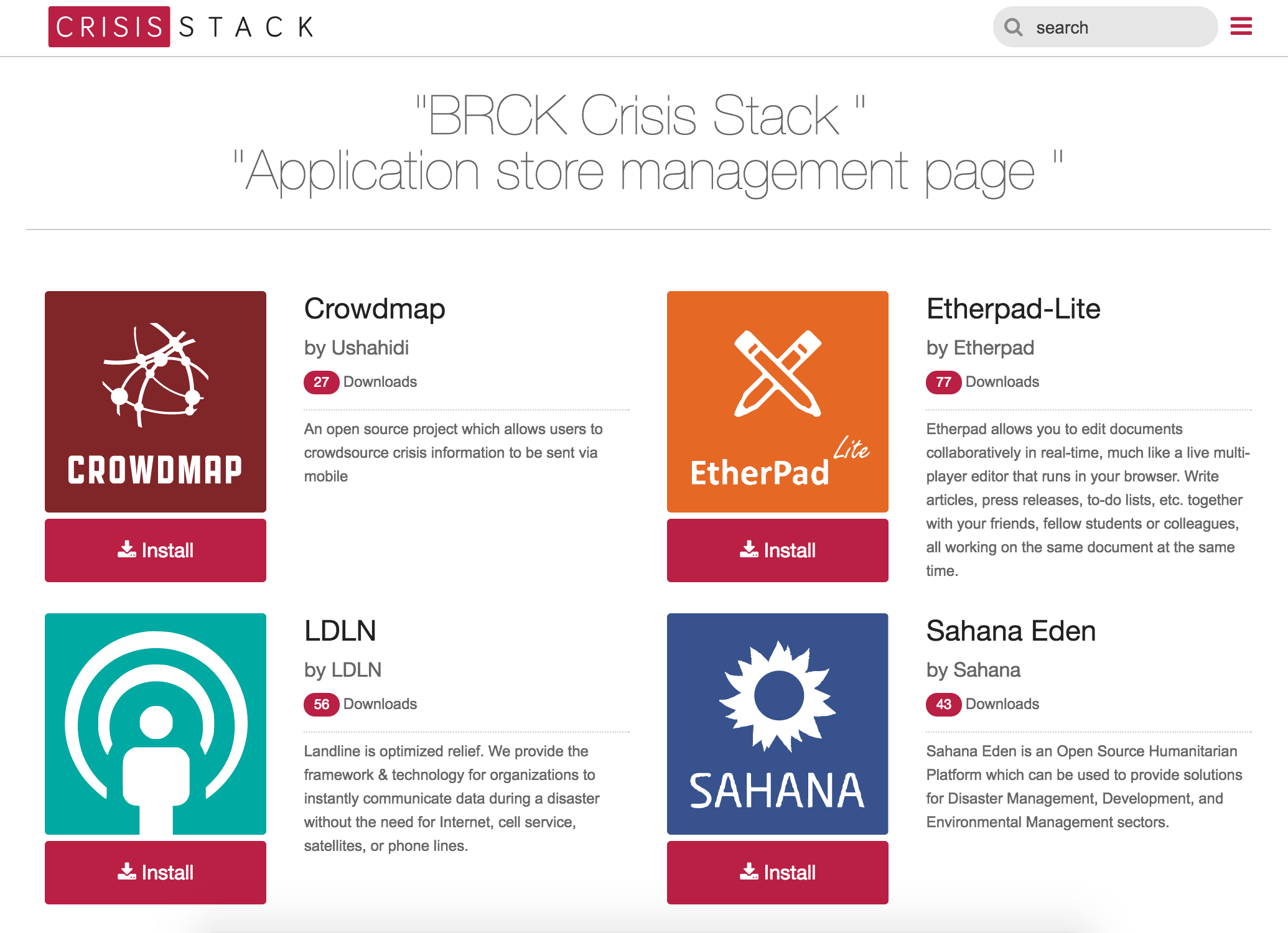
We are proud to release a Beta Version of CrisisStack to the community via crisisstack.com

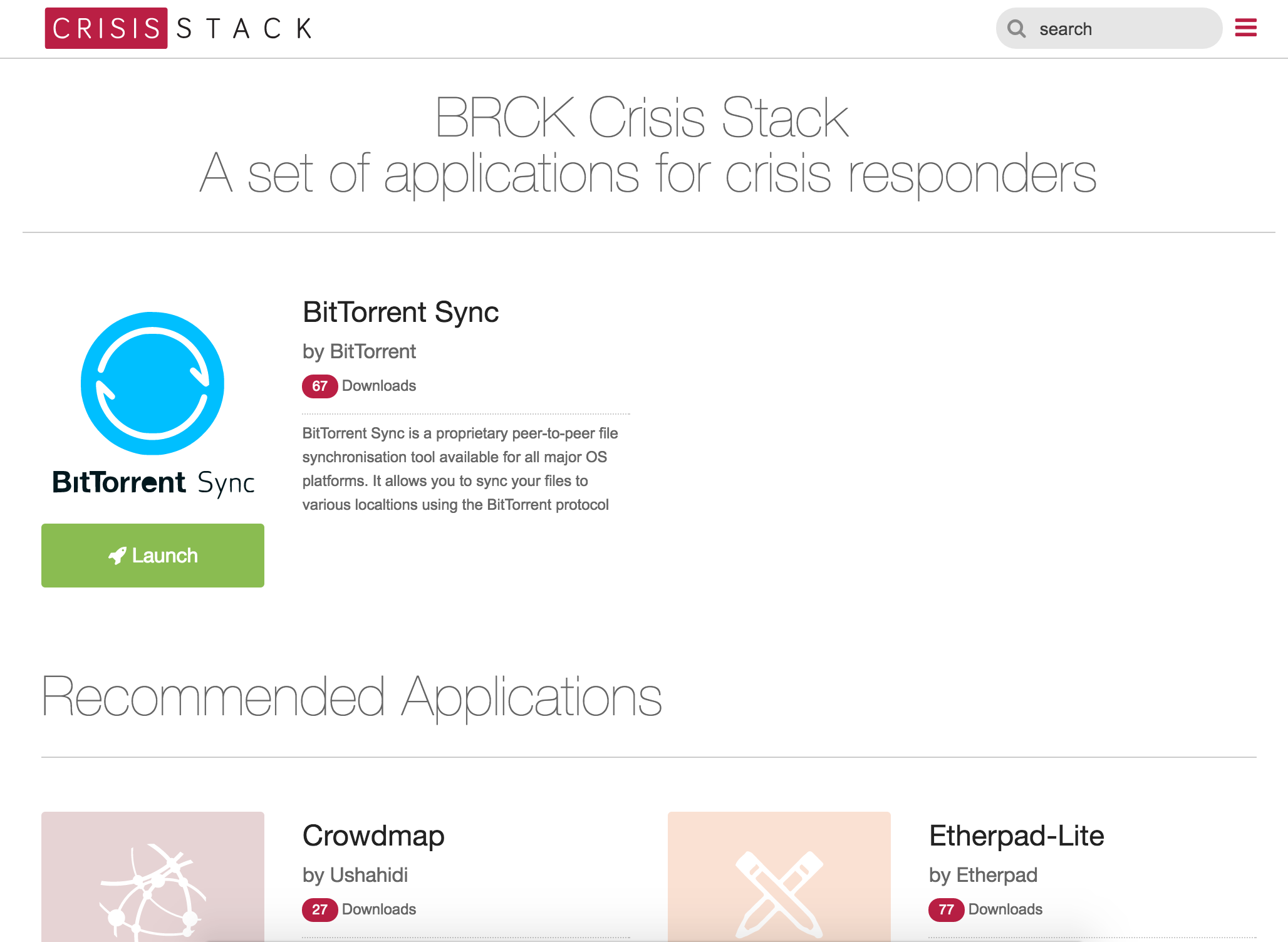
Some screen shots below.

Application Installation Screen

Application Installation Screen

Application Launch screen

Application Launch screen

It was therefore my mission to share what I have done so far with open technology with the greater network of people at Mozfest. The event was scheduled to run from Saturday through to Sunday.

For those of you who have attended Mozfest before, I am sure you would agree that we need to invent a way of being in two places at once. There was a lot happening from the open garage to different training and discussion sessions. So much to do, but impossible to do it all.

I started off by showing off my BRCK to a few folks and a standard raspberry PI explaining how things work. I then took it a step ahead and decided to expound on how the device would work when off the grid.  I then took out the BRCK+Pi from my bag. I highlighted what we had done differently and how one can achieve it .

We started of seating around showing them the application and how it works. We then sat down and started chatting about how we could improve the system.  Some of the things we talked about were:

Having a central system where we could pull all our application(s) from. This would act more like an application store. This would allow us to have one central place where:

  1. Developers could upload their applications
  2. We could all collaborate on what it would take on building a standard for web applications to truly run offline
  3. How to build Operating system independent web applications. That is one that runs on phones, tablets, desktops and the raspberry PI.  
  4. Extending firefox OS for the raspberry PI
  5. Building add-ons that make it easier for the whole community to add anything they needed to an OS.
  6. Providing a priority on application using the data

Because pictures are worth 1000 words

Moz UK community leader hacking around

“Mozilla UK community leader at work”


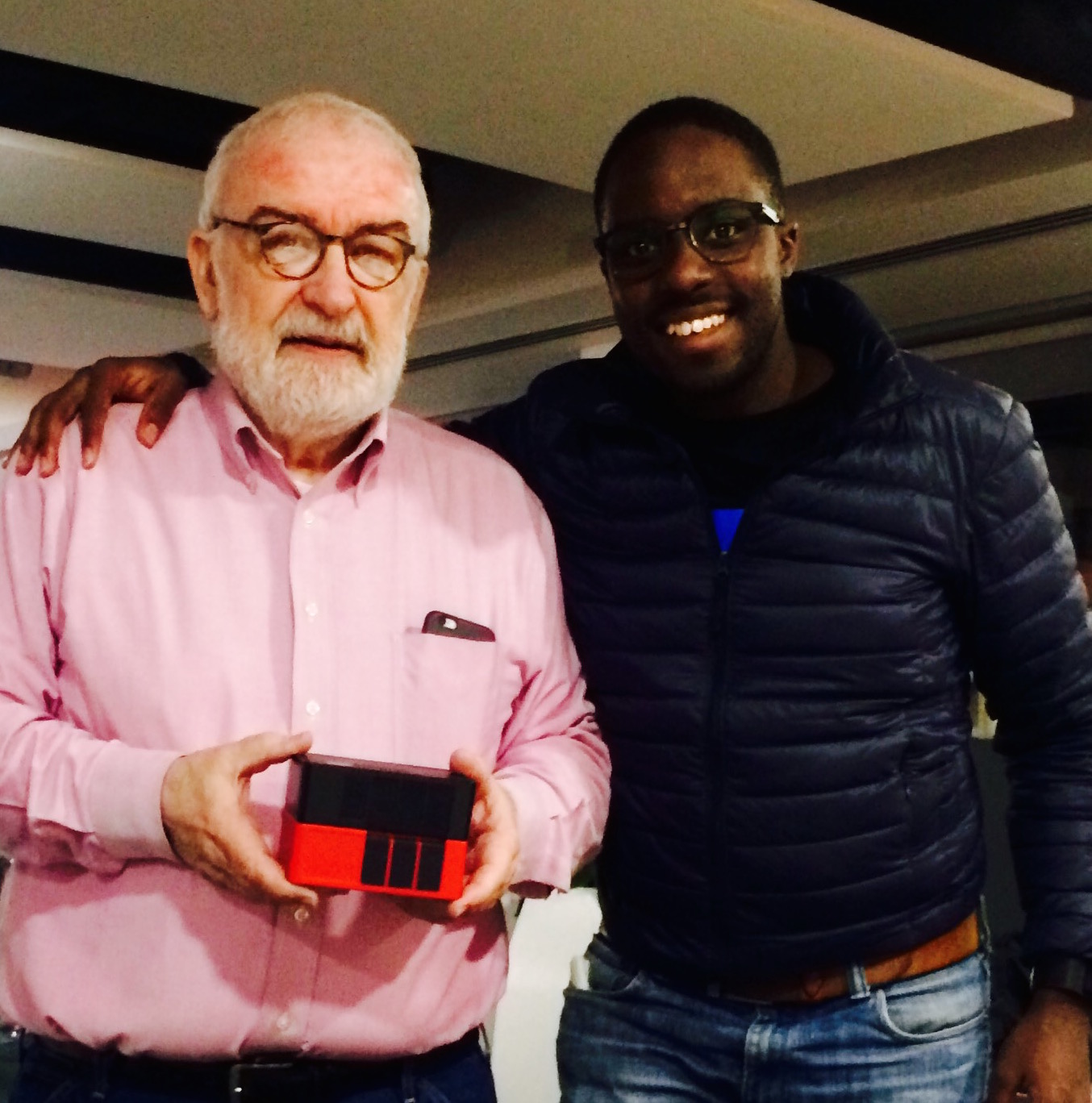
Richard and I chatting on possibilities

Richard and I chatting on possibilities

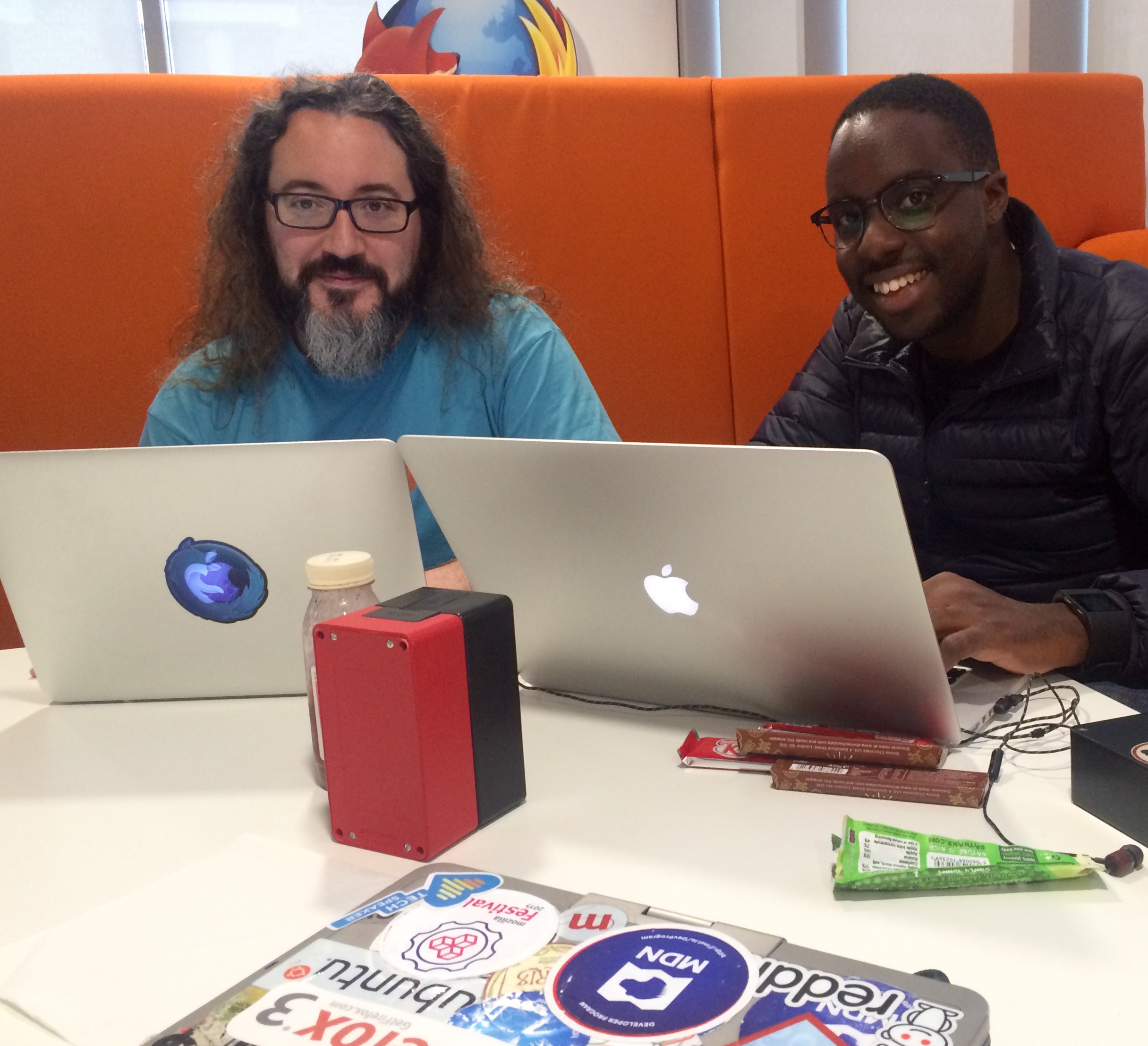
Engineers at it

Engineers going hard at it – Snacks never miss 🙂

All in all it was amazing. We talked a lot about Linux, possibilities with these offline web applications, packaging and distributing them even beyond Raspbian(Linux distribution for raspberry PI).  We left with some improvements that we are looking to implement. Later this week we plan to have an LDLN release for BRCK+PI.  We also looked into a “lighter”(less resource heavy) language that would then  result a faster and smoother experience. Remember on these small devices we have to be selfish when it comes to how we use our resources because of many other factors such as power(which would most likely be from the battery).

I am going to start working on this in the coming weeks in a different fork of the same repository. I think it is safe to say this was some good fun and I look forward to Mozfest next year.

Watch this space to see what we shall have for you in the next few months.

To keep up with CrisisStack please visit us here


Behind the scenes at the Kio + Kio Kit launch

BRCK is at it again. Over the past 48 hours, much has been said about “BRCK Education’s” launch of their flagship products the Kio and the Kio Kit.  The Kio is a ruggedized tablet for African schools and the Kio Kit is a revolutionary digital classroom in a box. It consisting of 40 tablets plus a BRCK+PI acting as a Micro server and then there is the genius behind the packaging that brings it all together. Journalists from every corner of the earth, on Forbes, Quartz, ZDNet, techweez , the blogosphere and techies in general got their fix on juicy tech stats and congratulatory messages galore ensued.
87

This blog is for the non-techies, the behind the scenes of an Apple-esque product launch, what the product is and why it is a big deal.

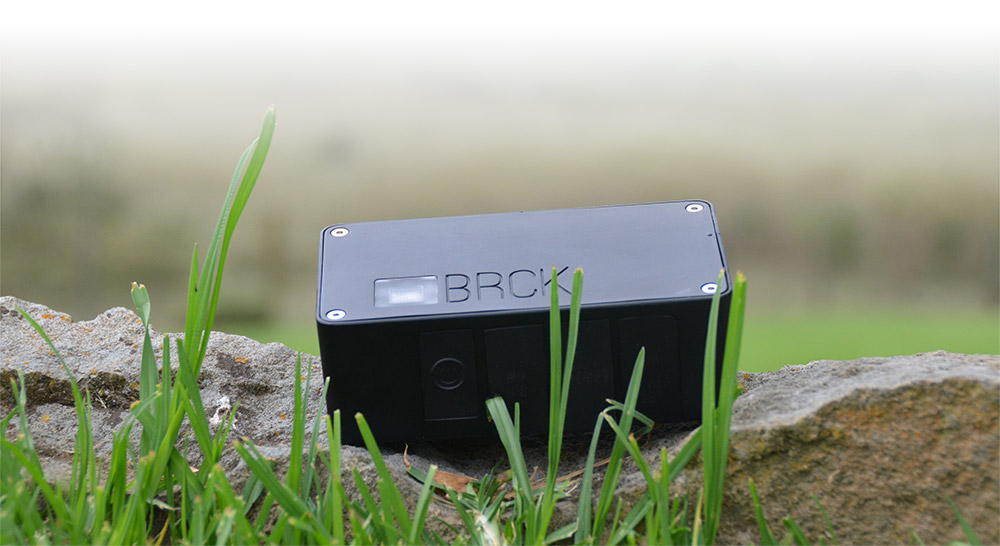
The journey starts 3.5 years ago with the birth of BRCK a Nairobi consumer electronic company that decided to design and engineer connectivity devices for Africa. Africa has it’s fair share of infrastructure, power and environmental curve balls that make electronics made for other places as severely handicapped as my golf game. So several years later, the BRCK, a ruggedized, dust/drop proof, connectivity-source-agnostic, modem + router has been sold in 54 countries worldwide in 5 continents. It has an 8 hour battery life with 20 devices connected to it making it the ideal way to connect in the Masai Mara, some places in the Scottish highlands and right now as I sit at a Java house at Adams Arcade Nairobi, generally one of the most reliable Wi-Fi locations in Nairobi but today I am greeted by a “Limited access” message on the Wi-Fi screen.
brck_background99b

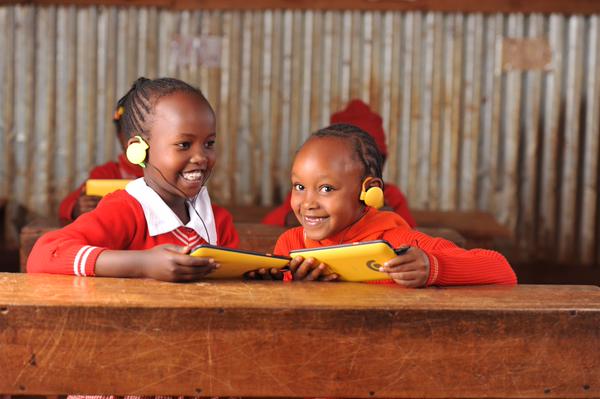
For the backstage pass to the launch, let’s start a year and a half ago, we the BRCK team at this point are working in schools in Tanzania, Uganda and Kenya solving connectivity issues using the BRCK in schools at the edge of the network. The lessons learned from this super cool pilots is that by using the BRCK to cache content, the students got to experience better digital learning. The education space is a dynamic space. We needed a platform that kids could surf infinite amounts of information from the web but cache it on the BRCK. We also needed a platform that could be remotely updated; as we all know PLUTO has A.D.D., it could be a planet, demoted to a moon and partially re-promoted to a dwarf planet in a span of a few months. Whatever that means, kids in a school by the Serengeti should be able to enjoy the drama unfold just as much as kids in New York.
138 112

So BRCK did what it does best. People first, Design second and then Technology brings it all together. The BRCK team does no less than 5000 Miles of “adventure” trips a year to make sure that they understand the environment in which they design for. So visiting schools in Uganda, Kenya and Tanzania became a staple for the team. The outcome was the two products that I mentioned earlier. The Tablet was named Kio, and then many designs later, after dropping, breaking, igniting and crashing several iterations, the Kio was ready for prime time. How do we then introduce it to the world? How better than to make a “Tough Mudder” type of video to showcase its robustness. Drop it from over 2ft/70cm onto concrete, pour a glass of water on to it, into dust, finish off with sticky chewing gum fingers, the Kio is ready for whatever Africa can throw at it and it fits perfectly into the hands of a 7 year old.
 

97

“But building the Kio is climbing half the mountain” – Erik Hersman. BRCK needed to make sure that these Kios are housed, charged and have a “brainiac” of a mother onboard to take care of the children. So a Kio Kit was designed, hardy, waterproof, portable, intelligent, in a couple of words, beautifully rugged. A class in a box that has one power button each to bring both the BRCK+PI and the Kios to life. When turned on, the wireless, induction charging is what techies would call sexy.
140 Brck_Education_Launch_08

After many sleepless nights, globetrotting to find the best partners in tech and content, the likes of Intel, Mozilla, JP, Pearson, e-limu, eKitabu the Kio Kit was ready to be launched. So now the hard work to find the venue, Event Company, set up design and execution.

For product launches, there are generally two schools of thought, the first and mostly applied, is to throw a big party, get everyone totally partied-up and boozed up. The problem is that you get to be the most talked about company in town but for the party and not the product. The second approach, which is what Apple and Tesla do and BRCK is following closely which is to unveil your product in a well-choreographed event and let the product speak for itself.
10783

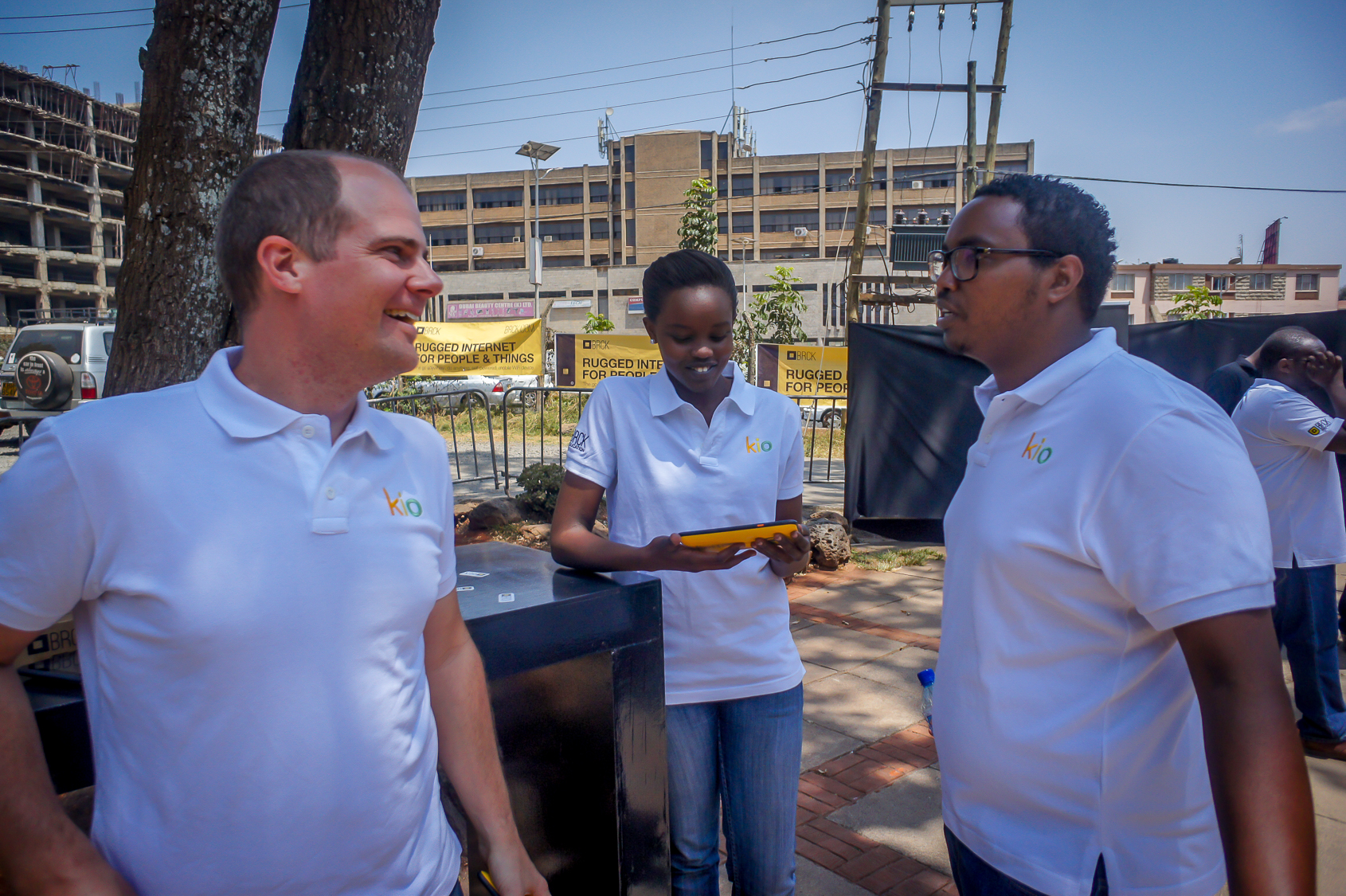
Enter Nivi, President of BRCK Education and Angie, the Program Manager, the two most efficient machines in multi tasking, planning and coordination. Several white boarding sessions later and a 22 page excel spreadsheet of plans nothing is left to fate. Invitations, guest lists, venue, program, transport, catering, lights, camera and action all accounted for. Then the larger BRCK family went to work gnawing at the huge launch piece by piece. Design, print, packing, moving, building, decorating, early mornings, late nights, a diet of coffee and pizzas, pretty soon the day was upon us.
104 100

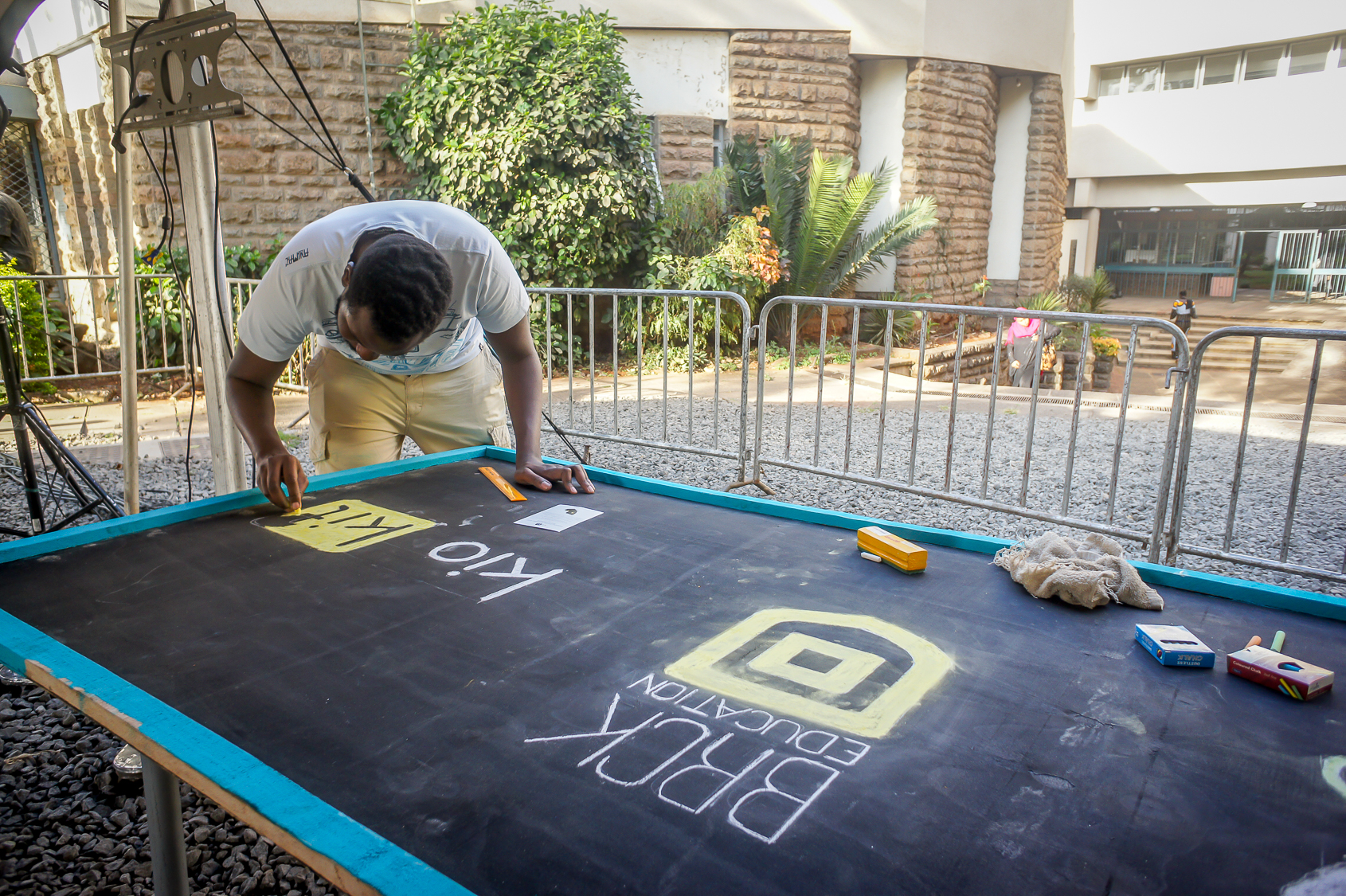
The event went on with the precision of a world class event, Forbes, Quartz, Twitter and the gambit in attendance, you can go there for the glitz and glam. As a behind the scenes blog, I will dwell on the things that were not going as planned. The first thing to cause us a sleepless night was the foam plastic K from the big BRCK logo tumbled off stage breaking into a million pieces at 4pm the day before the launch, our fabricators had to perform magic to replace the K. This is just one of several more hurdles to jump, dry runs, team meetings, more pizza, several ubers and we went to sleep really late.
109134

Early Tuesday Morning, Erik Hersman the CEO sent a wake-up call to everyone at 6:27am. An hour later the team was applying final touches to the space, fresh coffee from Pete’s a much welcome kick-starter but that big locomotive of an espresso machine tripped the whole electricity system crashing it minutes before the event started. Saved by the bell, the awesome event company (HomeBoyz) came through again by providing fusing and stop gaps. Another disaster averted.

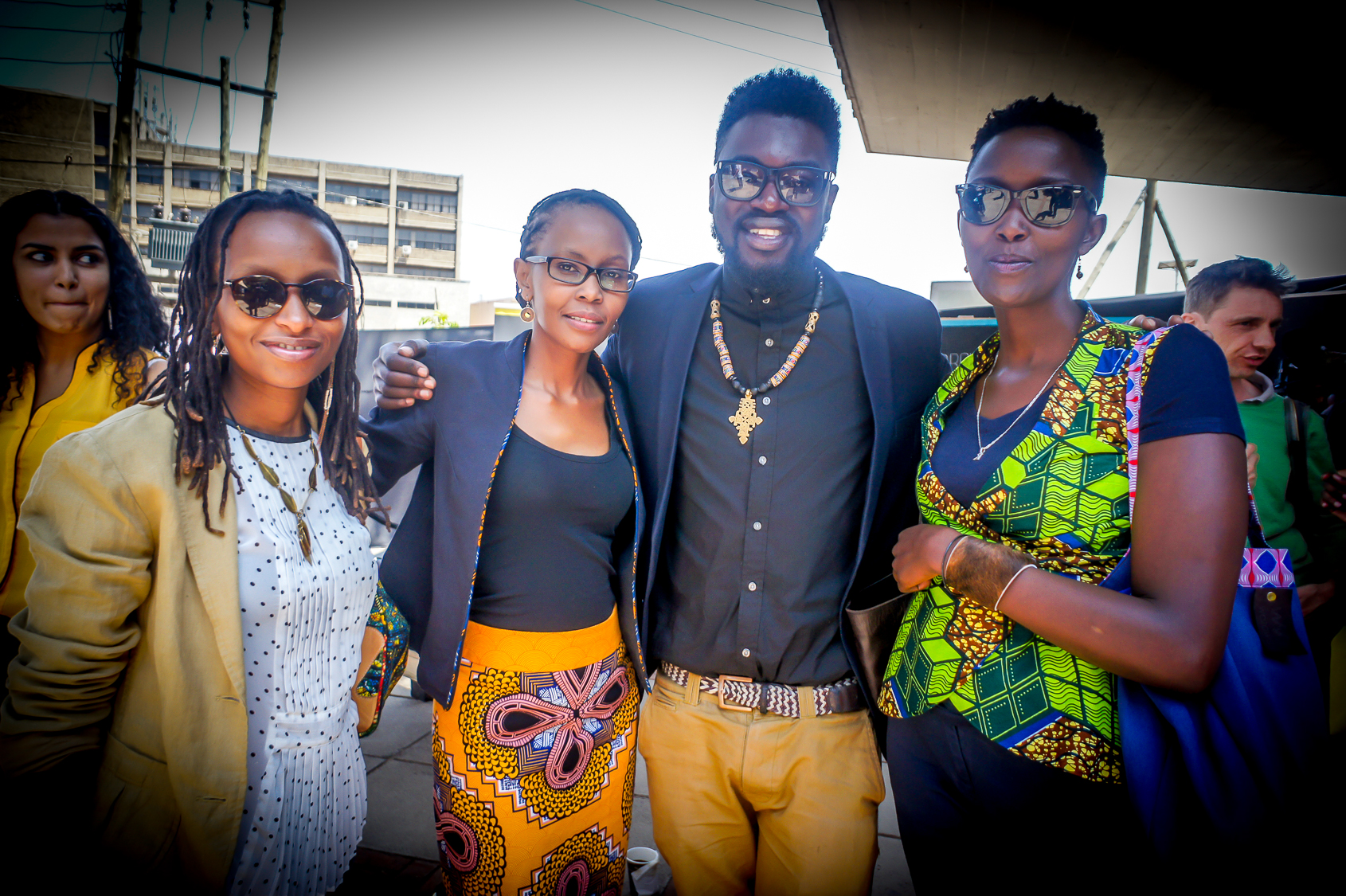
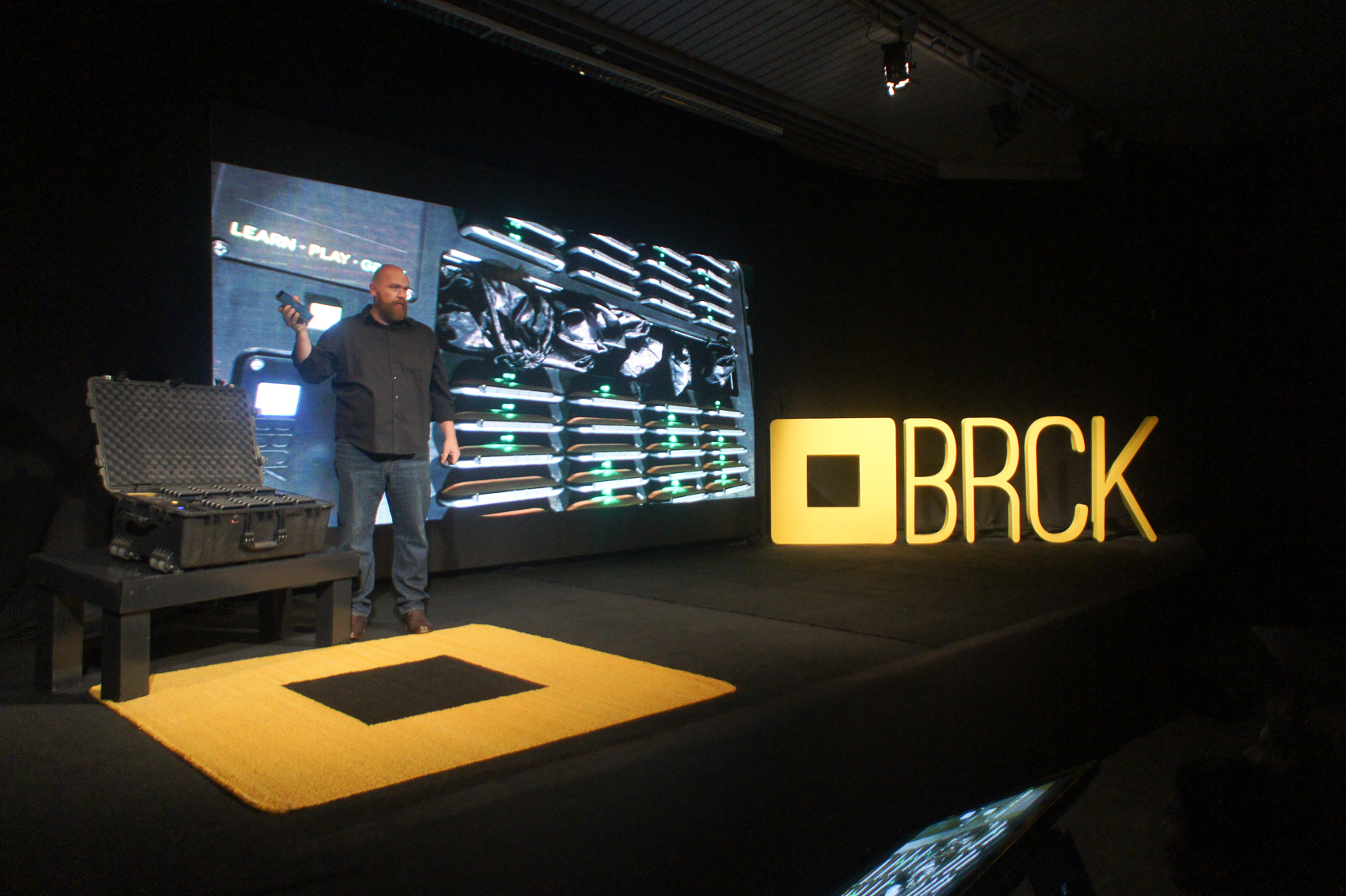
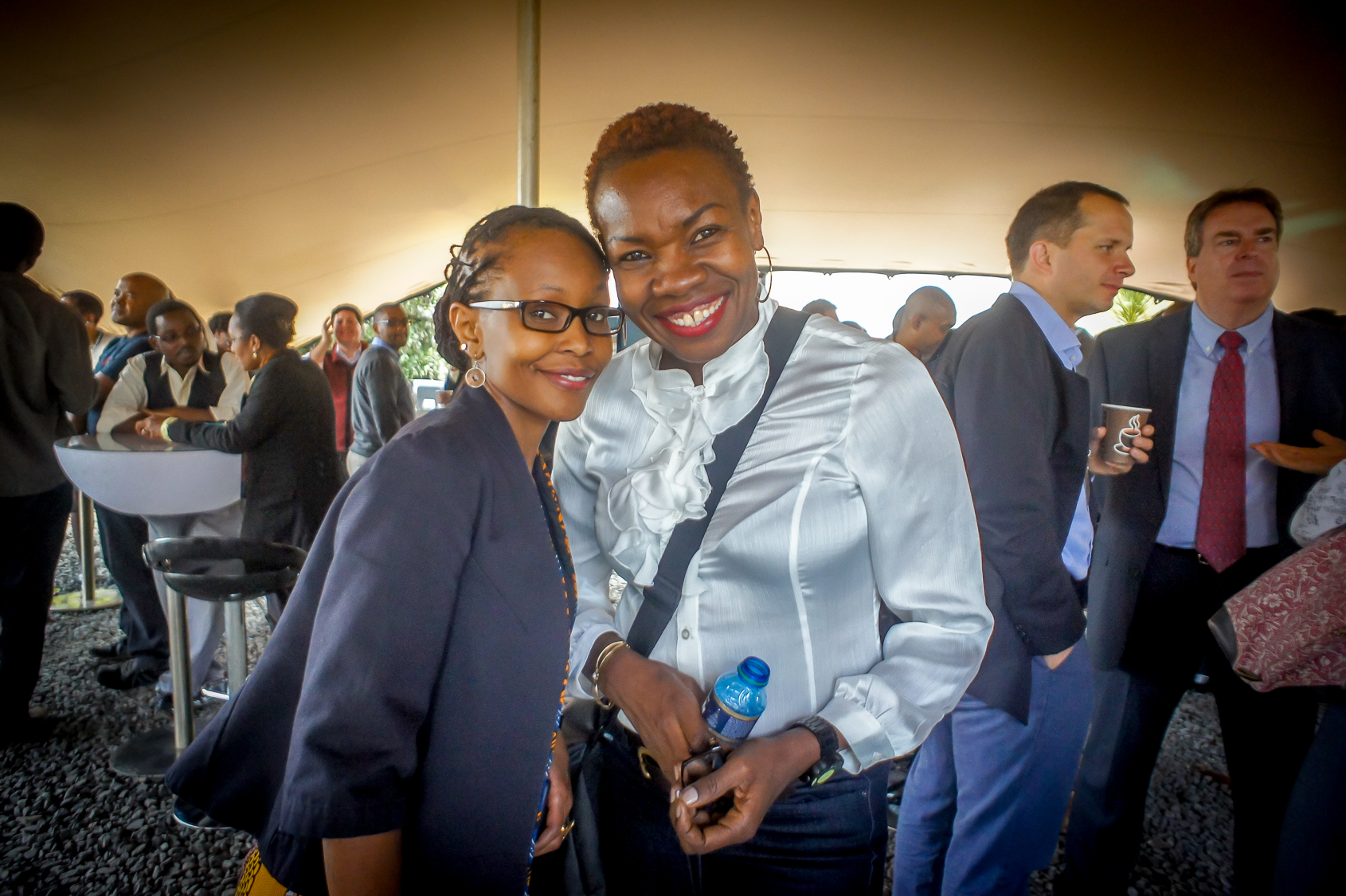
The guests came in ready for the BRCK Yellow carpet. Many smiling faces, friends, family, the press in large numbers, guests from all walks of life including the class one school children from our piloting schools. Soon the show and tell was in full force, partners being recognized, product unveiling, a few loud EDM songs, captivating presentations and wowing videos.
131 123

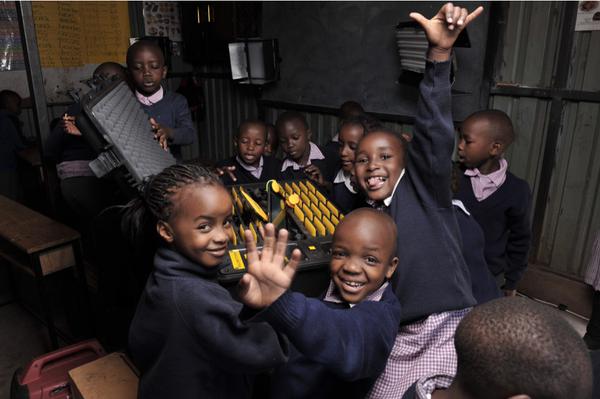
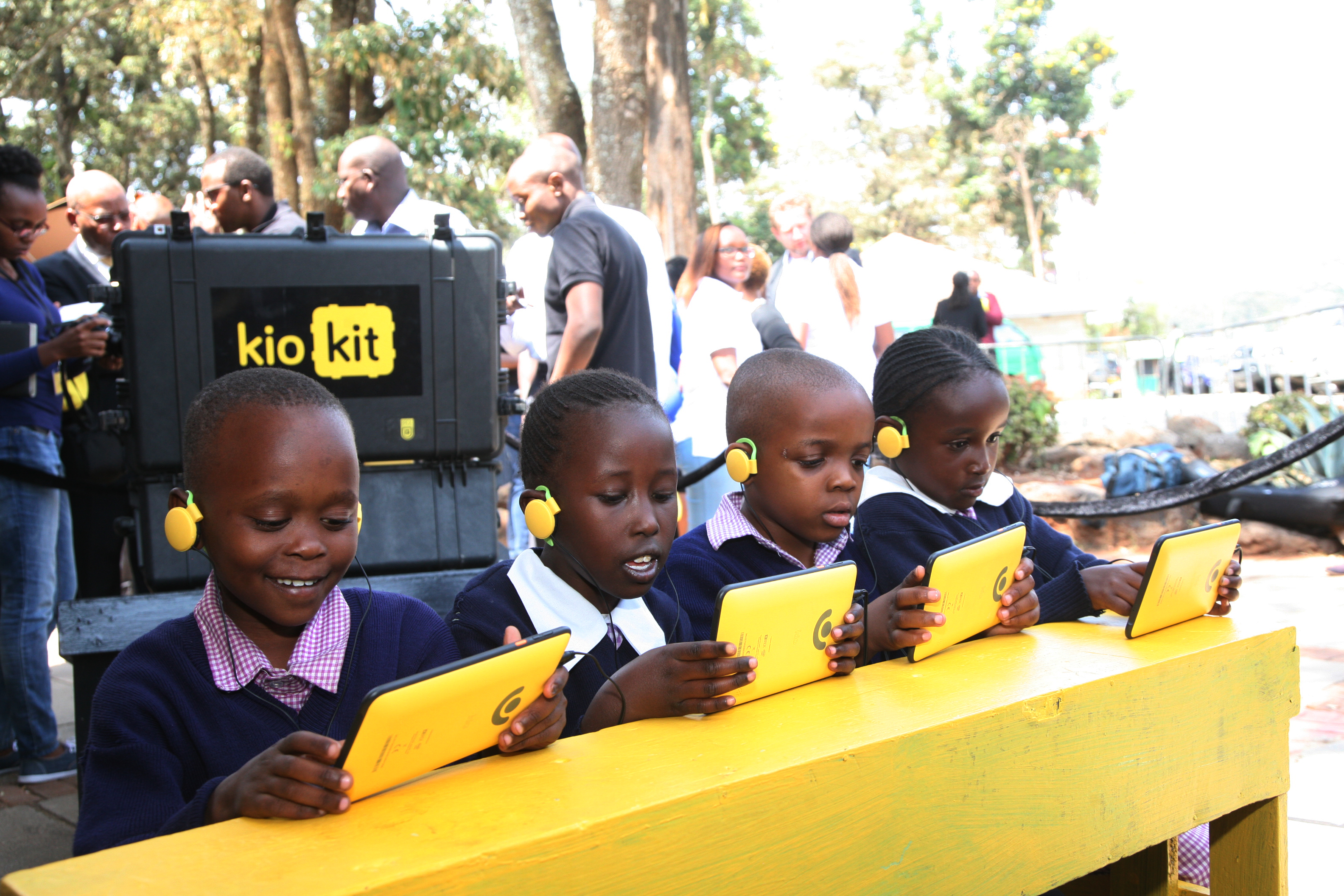
Finally how better to showcase the product than walking out of the auditorium to find a full classroom set up with the kids learning, growing and playing on the Kios with the Kio Kit in full display. Everyone had a chance to look, touch, feel and get up-close with the products. The BRCK team at the ready to answer all the questions.
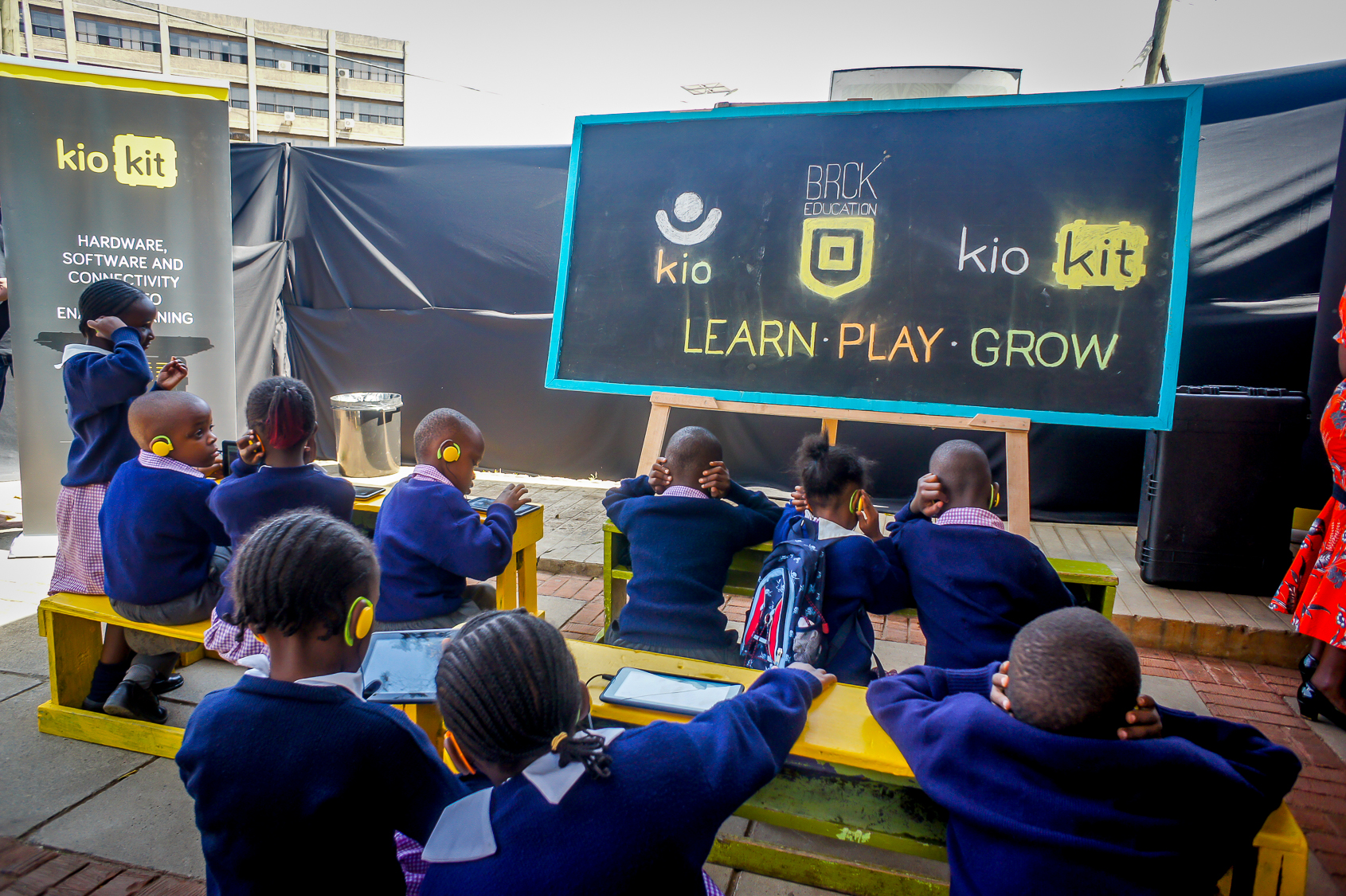
110c 127

In conclusion, Education in Africa will never be the same again. It is time for a kid in sub-Saharan Africa to be able to enjoy videos of Africa’s child Elon Musk’s rockets going to the space station just like the kids in the Palo Alto area. A few people were concerned about the way to finance these Kits but I am not afraid of that. Already there is exciting interest from some schools, the awesome CHASE BANK KE has a no interest loan to schools and several pioneers like African Wildlife Fund are deploying Kio Kits to schools in Uganda, Ethiopia, Congo and beyond. I was quick to remind people that the Kenyan citizen is called Mwanainchi which means “child of the country/soil/earth” so together, we will see this dream of digitizing our children through to fruition. END
121 85 132 128

BRCK Education Kio and Kio Kit Launch

BRCK Education Kio and Kio Kit Launch from BRCK on Vimeo.

When we set out to build the BRCK, we wanted to take care of the rampant connectivity and power issues that prevent many people in the developing world from being as efficient or as effective in their jobs. We did this, and we ended up becoming one of Kenya’s first consumer electronics’ companies. We were very excited about this, and the recognition we were getting, but the BRCK was built to be much more. When it was designed, we included a USB port and a micro web server, that at the time, just seemed like cool features. Over time, we came to appreciate that they were so much more. You could access content from the BRCK but we felt this was not enough, so we combined the BRCK with a Raspberry Pi computing module to give it a bit of a boost. This enabled access to rich and interactive websites and content, from the same rugged form factor as the original BRCK.

There are numerous challenges facing education in developing countries. Since the BRCK together with the Pi, enables access of locally-cached and web-hosted content, we thought it could prove a useful tool to both teachers and students if they could access up-to-date educational materials, and give them an edge and enable them to compete with schools with more resources. This was in line with our ethos of promoting equality in education and levelling the playing field by using the same technologies as the rest of the world but tweaked to our particular context. At BRCK Education, we do not think the only sources of knowledge and information in a classroom should be teachers and textbooks. The four walls of a classroom should not limit a child’s access to learning, playing and growing. This technology, however, cannot replace the role of a teacher. It makes access to information much easier.

The easiest way to deliver educational content to students is through tablet computers. Initially, tablets, even the ones made for schools, were not durable and did not have the kind of features we needed: a long battery life, an easy-to-use interface and some sort of durability. Until now. Due to the demands of our environments, and the fact that children are bound to drop and spill fluids on the tablets, we designed and engineered the Kio Tablet, to be rugged, adaptable and unbelievably functional. We built the Kio specifically to the needs we exhaustively identified during our field tests in schools. Even with the progress we made, we felt like we had only climbed half the mountain.

Brck_Education_Launch_05

Having the tablets was well and good, but tablets need to be charged. One of the barriers to using tablets effectively is the inconvenience of remembering to charge them and the fact that charging cables break frequently. Also, tablets present a security fear: they are small and can be easily stolen. So, how about a rugged kit, that provides both the charging and security needed for the tablets in one go? The Kio Kit. It comes with wireless charging and is lockable, and in case a tablet is taken away from it, we built the firmware to prevent flashing of its operating system. The Kio Kit can hold and charge 40 tablets, each of which can run for 8 hours on a single charge.

Brck_Education_Launch_08

What we are doing is not just selling technology. We passionately believe in our ability to positively impact the quality of learning of students in Kenya. But, we cannot do this alone. We are proud that both local and international organizations, both big and small, have joined us to make this dream a reality. The Kio Kit will be available for pre-order today, limited availability begin on November 1st and we expect general availability from January 1st 2016. The Kio Kit will go for USD 5,000 and a Kio Tablet will go for USD 100.

For more information, you can visit our website at education.brck.com. Also, feel free to email us at [email protected] or tweet us at @brcknet. You can also find us on Facebook at brcknet.

UX and QA adventures

At BRCK we are fanatical about User Experience (UX) and Quality Analysis (QA). That is why last week, we took the fantastic 5 to Kajiado to spend a day with one of our BRCKs in the wild.

13

Kajiado is a town located 80 kilometres south of Nairobi, along the Nairobi – Arusha highway (A104 road). Local people are predominantly of the Maasai tribe and we consider it the kind of place that we build for. Though located just south of Nairobi, Kajiado is a nevertheless a challenge get to.

14

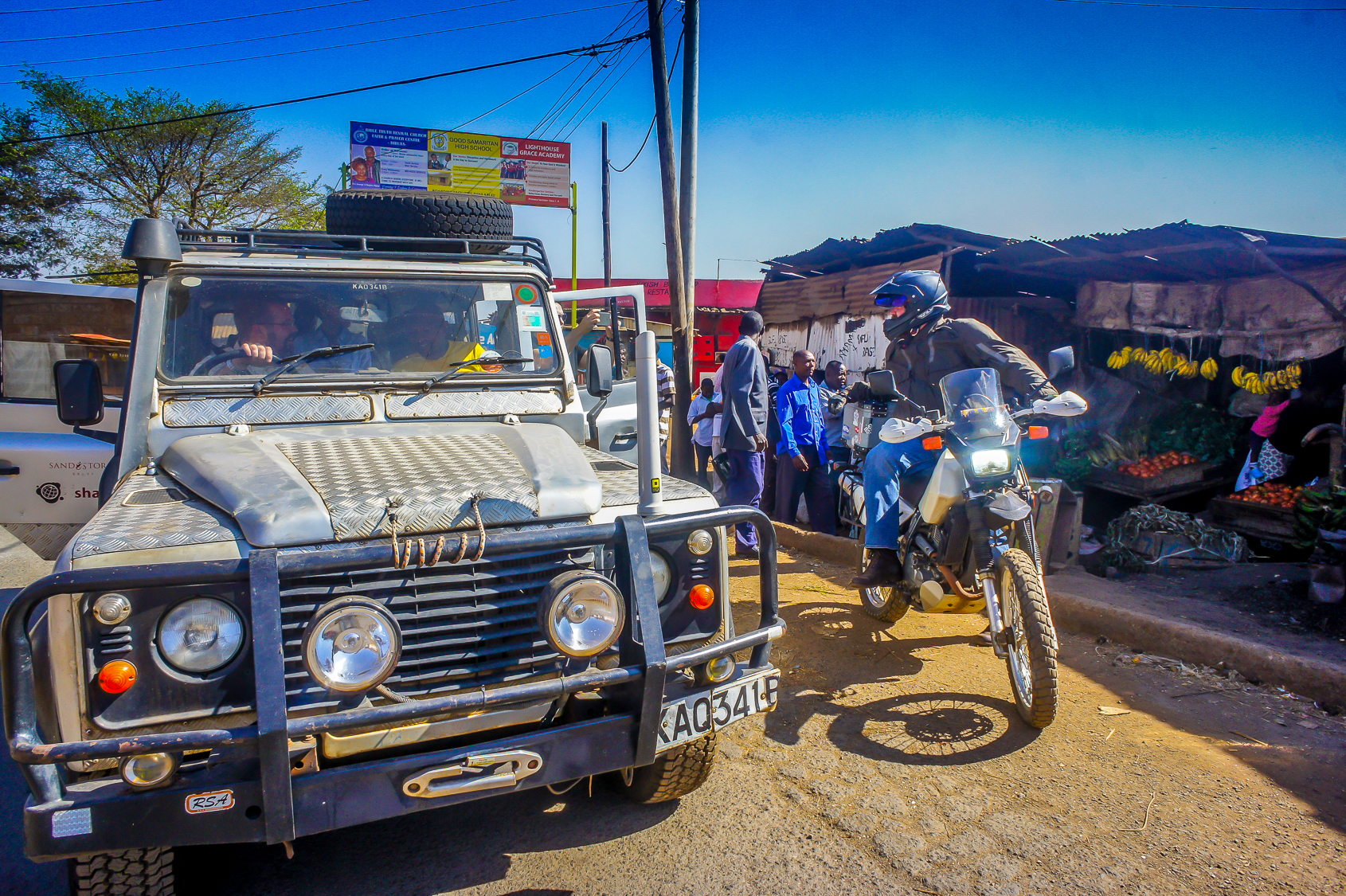
Our trip began at 8am, a mistake because rain, traffic and the “scenic route” turned a 1 hour journey into a strenuous 3 hour ordeal. Luckily, we came prepared with a pair of land rovers, as the road conditions deteriorated continuously and we were soon off-roading in some of the prettiest landscapes in Kenya.

18c 16

Our amazing host and BRCK owner met us at a gas station in Kajiado and we followed him to their beautiful home where we were welcomed with freshly made peanut butter and jelly sandwiches, yum. Originally from Texas, our hosts say Kajiado is similar to their home in many ways. Landscapes, temperature, rainfall, or lack thereof, etc…

2 18b

Getting down to business, we ran several tests, from understanding how they unboxed the BRCK and the way our instructions flowed, to testing connectivity, set up, the cloud management system, and even comparing other connectivity solutions to the BRCK. We do this is because, as a 2 year old company, we need to keep designing and building for the future. Any intelligence we can get makes us smarter. Most importantly, unlike many Modem and Router Hardware companies, we build for the fringes of connectivity and work our way in. For us to say we want to connect the 800 million unconnected in Africa, we need to stay situationally intelligent.

19 26

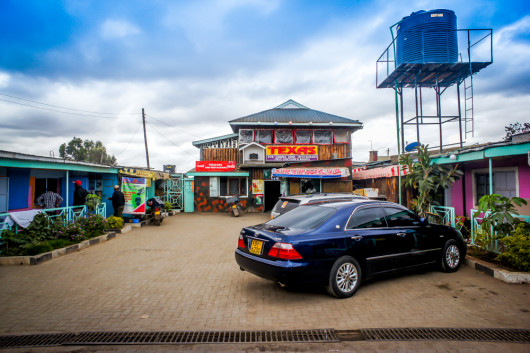
After several hours of work, we went back into Kajiado to a restaurant called Texas where we had some of the yummiest Bar-B-Q. Any objections of comparing Kajiado to Texas were put to rest.

4 1

Our research in Kajiado has been the talk of the BRCK office for several days now and with those conversations we move towards a better BRCK. The SuperBRCK. Stay tuned.

Announcement: Collaboration with Kenyatta University for Digital Literacy

With the recently announced learning division of BRCK Inc led by Nivi Mukherjee, comes this exciting news about a major agreement signed between BRCK Inc and the venerable Kenyatta University.

Do see the announcement on the Kenyatta University website too.

BRCK and KU

Kenyatta University, BRCK sign digital literacy MoU

Nairobi, 7 August 2015 –Kenyatta University, a leading Kenyan academic institution and BRCK, a local technology firm based in Nairobi, have today signed a Memorandum of Understanding (MoU) to promote digital literacy in the country.

The MoU covers among other areas, joint collaboration in the design and development of innovative technological solutions, research, advocacy and stakeholder engagements, content development and training and capacity building.

Speaking after the signing ceremony, KU Vice Chancellor Prof. Olive Mugenda said the partnership will enable the two organisations to leverage technology as an enabler of delivering educational content and impart knowledge, skills, attitudes and values that will have far-reaching changes in the education sector.

“It is a great pleasure to partner with like-minded organisations such as BRCK with whom we have a shared vision and an appreciation of the role that technology can and should play in the overall education process. Both BRCK and KU are at the forefront of developing and rolling out cutting edge digital solutions that will transform the way education is delivered resulting in an enhanced learning environment that offers competitive advantage in the workforce for the young people of Africa and generations to come,” she said.

The partnership will also firmly establish Kenya as a global hub for digital education, by creating a unique centre where deployments of digital learning solutions, teacher training, curriculum design and device design, manufacturing and logistics knowledge gained will come together leading to a 21st century digital education centre.

The two organisations will leverage each other’s strengths to ensure a successful joint venture delivering uncompromised standards and techniques in teaching and learning. Kenyatta University has a dedicated division of research and a very vibrate innovation and incubation centre which has seen the creation of winning start -up companies in the country.  The institution also has a very strong digital school which was re-engineered recently.

On the other hand, BRCK has an unrivalled ability and capability to develop innovative connectivity technologies making the two partners a formidable, dynamic, forward-thinking team.

As part of the agreement, Kenyatta University will host the manufacturing and assembly plant which will enable the institution to manufacture more tablets. This will result in the creation of jobs for the youth, technology transfer and will also mitigate depreciation of the exchange rate through local production rather than importing the devices.

“We were the first university in the country to use tablets to deliver content to the students in the digital school. The tablets are very interactive with software that makes teaching easy and interactive. Following our partnership with BRCK, we hope to start a manufacturing plant to make cost effective tablets as well as scale up their use to other schools,” Prof. Mugenda added.

This partnership will create the infrastructure and skills not only for the digital learning but design, build and manufacture a myriad of technologies in future creating indigenous digital solutions for a myriad of applications in education and beyond that will be deployed around the continent.

BRCK Board member Juliana Rotich said: “Education has been identified as the common thread that will shape a sustainable future for economies around the globe and digital technology is one of the tools that will provide a leg-up to this new mode of learning. Through this joint venture, we aim to overcome barriers in the sector and offer constructive value through content, connectivity and functionality.”

About Kenyatta University

Kenyatta University is an international university based in Nairobi Kenya. It was established in 1985 through an Act of Parliament. The University’s main campus is located along the Thika Superhighway, 20 kilometers from Nairobi City center with 10 Satellite campuses and Distance and elearning Centers each. It offers over 500 programmes across 17 schools.

By April 2015, the student population was over 70,000 with a staff capacity of over 3,000, both teaching and non-teaching. Its infrastructural set up among other key ranking points has placed the University as the best in the country and regionally.

Kenyatta University has a cutting edge over other universities due to their emphasis on practical hands-on knowledge and the skills training imparted to both students and the larger international community.

Kenyatta University is home to some of the world’s top scholars, researchers and experts in diverse fields. The institution prides itself in providing high quality programmes that attract individuals who wish to be globally competitive. Towards this end, the University has invested heavily in infrastructure and facilities to offer its students the best experience in quality academic programmes under a nurturing environment in which its students learn and grow.

The university has partnered with other key organizations for example Young African Leadership Initiative (YALI) which is supported by the U.S. Government and the African Centre for Transformative and Inclusive Leadership (ACTIL), which is sponsored by the UN WOMEN.

About BRCK 

BRCK is a hardware and services tech company based in Nairobi, Kenya.  As the first company to pursue ground up design and engineering of consumer electronics in East Africa, it has developed a connectivity device also known as BRCK, which is designed to work in harsh environment where electricity is intermittent. BRCK can support up to 40 devices, has an 8-hour battery life when the power is out, and can jump from Ethernet, to WiFi, to 3G, to 4G seamlessly. The initial BRCK units started shipping in July of 2014 and by February of 2015, thousands of BRCK’s had been sold to 54 countries around the world.

BRCK is a spin-off from the world acclaimed Ushahidi, a Kenyan technology company which builds open source software tools and which has received accolades for the impact that its creative and cutting-edge solutions are having around the world.

 Media contacts

Evelyn Njoroge, africapractice [email protected] 0721704712

Sally Kahiu, africapractice [email protected] 0706322488

BRCK Education: Nivi Mukherjee to Lead the Team

Nivi Mukherjee , President of BRCK Education, in a classroom when running eLimu

There’s a press release (which always seem boring to me, but have added it to the bottom of the page) about Nivi Mukherjee, the founder of eLimu and long-time iHub member, joining the BRCK team offically. I’ve had the pleasure of seeing her grow her company from nothing, getting out ahead of the curve to create a new way to learn, study and test for the big KCPE exam that every kid in Kenya takes in 8th grade. She’s fought and shown the scrappy leader that she is for 4 years, so when we started looking at BRCK Education more seriously six months ago, Nivi was the one I went to for help. While we know a lot about tech and hardware, she knows a lot about education, teachers and students. She also taught us new fancy words, such as “pedagogy“.

The past 4 months have seen us working closely together with the eLimu team on some great projects, and without her understanding of how the education system works we wouldn’t be where we are today.

Nivi is now the President of BRCK Education, a new business unit for us that focuses school-based solutions where the BRCK software and hardware can be used to make a real difference. We’ve seen this happening in Uganda, Tanzania and Kenya as more schools get started with tablets and computers. Nivi’s job will be to fulfill on this in our own backyard here in Kenya, and also to take it to the rest of Africa and the world.

More news on this front soon…!

Press Release

BRCK appoints its Education President
Nairobi, 4 August 2015 – BRCK, a local hardware and services technology company based in Nairobi, has announced the appointment of Nivi Mukherjee as the head of its newly created division, BRCK Education.
Ms Mukherjee will be charged with driving BRCK’s efforts to provide hardware and software solutions to enable online and offline learning.

Commenting on the appointment, BRCK Board Member and Ushahidi Executive Director Juliana Rotich said:
“We are delighted to welcome onboard Ms Mukherjee who has a wealth of knowledge and expertise to take over the Education division. Through this division, we aim to creatively and effectively deliver 21st century technology that will revolutionize the education sector and eventually take digital literacy in Kenya and in the African continent to the next level.”

Ms Mukherjee joins BRCK from eLimu, one of the most talked about EdTech innovations in Africa where she spearheaded the digitization of KCPE curriculum content for Kenyan upper primary students and the development of a literacy application in English and Kiswahili.

The new president is expected to leverage the BRCK, a pioneering connectivity device that is designed to work in environments where electricity and internet connections are problematic. The BRCK is a WiFi access point with an 8-hour battery-life and the ability to store up to 2 terabytes of educational content.

“I am excited to join this great team that has demonstrated its ability to innovate effectively for Africa. I am privileged to be able to leverage this game-changing device, which will enable instantaneous access for up to 40 devices, to promote digital access in education. What remains now is to curate localized and culturally relevant digital content that will improve the learning experience and outcomes for millions of students on the continent,” Ms Mukherjee said.

She reinforced BRCK’s user-driven commitment towards developing sustainable and interactive tools adding that the organization is keen and ready to partner with teachers, parents, students, like-minded organisations and government institutions in order to bring far-reaching changes in the way education is delivered.

Notes to Editors
About Nivi Mukherjee
Nivi is a social entrepreneur, technophile, community volunteer and 2014 East African Acumen Fellow. She is passionate about educational initiatives that foster development and fun. She has spoken as an expert on eLearning, the African tech scene and innovation at: TEDxStellenbosch, South By South West – Austin TX, Massachusetts Institute of Technology (MIT) Sloan Business Conference Africa Innovate as well as appearing on Al Jazeera, CNN, Euronews and being featured on BBC and The Economist. In her spare time, Nivi organizes cultural festivals, bakes, knits, runs half marathons, folds origami and plays Fusball.

About BRCK
BRCK is a connectivity device designed in Kenya to meet the demanding challenges of life and work in harsh environments where electricity is intermittent and the internet is spotty. BRCK works to alleviate these issues by delivering a redundant data connection combined with a reliable power source to ensure that nothing gets in the way of getting the information you need. BRCK can support up to 40 devices, has an 8-hour battery life when the power is out, and can jump from Ethernet, to WiFi, to 3G, to 4G seamlessly.

BRCK is the first company to pursue and deliver using entirely ground up design and engineering of consumer electronics in East Africa. The initial BRCK units started shipping in July of 2014 and by February of 2015, thousands of BRCKs had been sold in 54 countries around the world, in both developed and developing markets.

The company is a spin-off from the world acclaimed Ushahidi, a Kenyan technology company which builds open source software tools and which has received accolades for the impact that its creative and cutting-edge solutions are having around the world.

BRCKs in Education: Studi Academy, Tanzania

We’re receiving increased interest from Education focused organizations to use the BRCK to enable access to their content both online and offline.

One of the partners we’re working with is Studi Academy in Tanzania. Studi is passionate about changing how students in secondary schools in developing countries learn. They provide an online platform for students to engage with localized content adapted to local syllabus and language through educational animations & challenging quizzes, games to add fun and competitiveness and a structure that supports students to pass their critical exams.

Morning in Dar es Salaam

Dar es Salaam city center

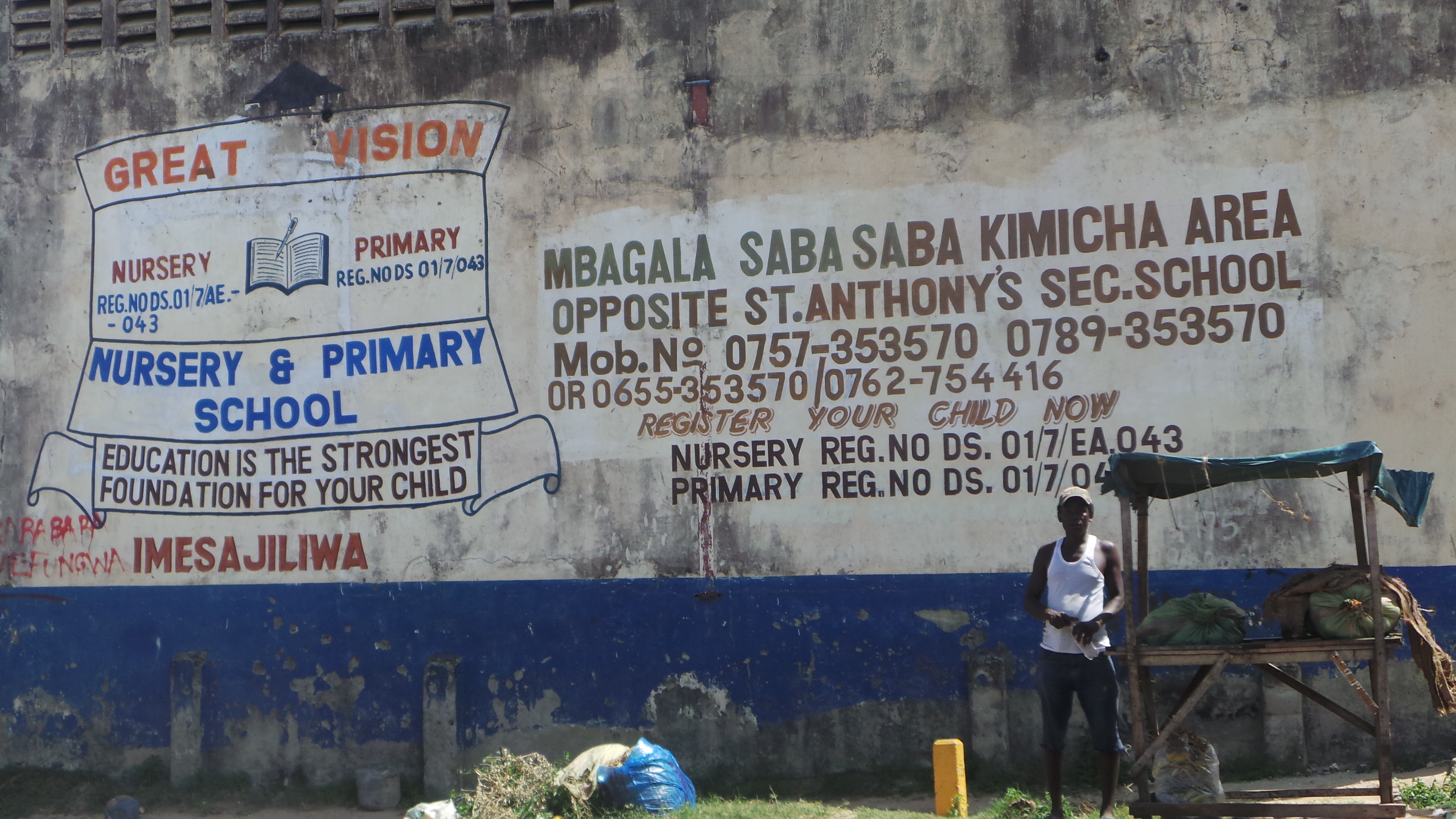
School advertising in Mbagala area

School “advertising” in Mbagala area, outside Dar es Salaam

One of the schools Studi is working with is St. Anthony’s school, a secondary school on the outskirts of Dar es Salaam. They are using BRCKs to connect their computer labs to the internet, and more importantly to Studi’s content. The Head of Computer labs, is responsible for ensuring students can access Studi content easily.

We visited the school to see their experience first hand. Their BRCKs  have been working great though the mobile signal is intermittent. We ran some tests and  recommended that they get a unidirectional antenna as they have a cell-tower quite close to where the computer labs are located.

BRCKs connected to mobile signal

BRCKs connected to mobile internet from SIM cards

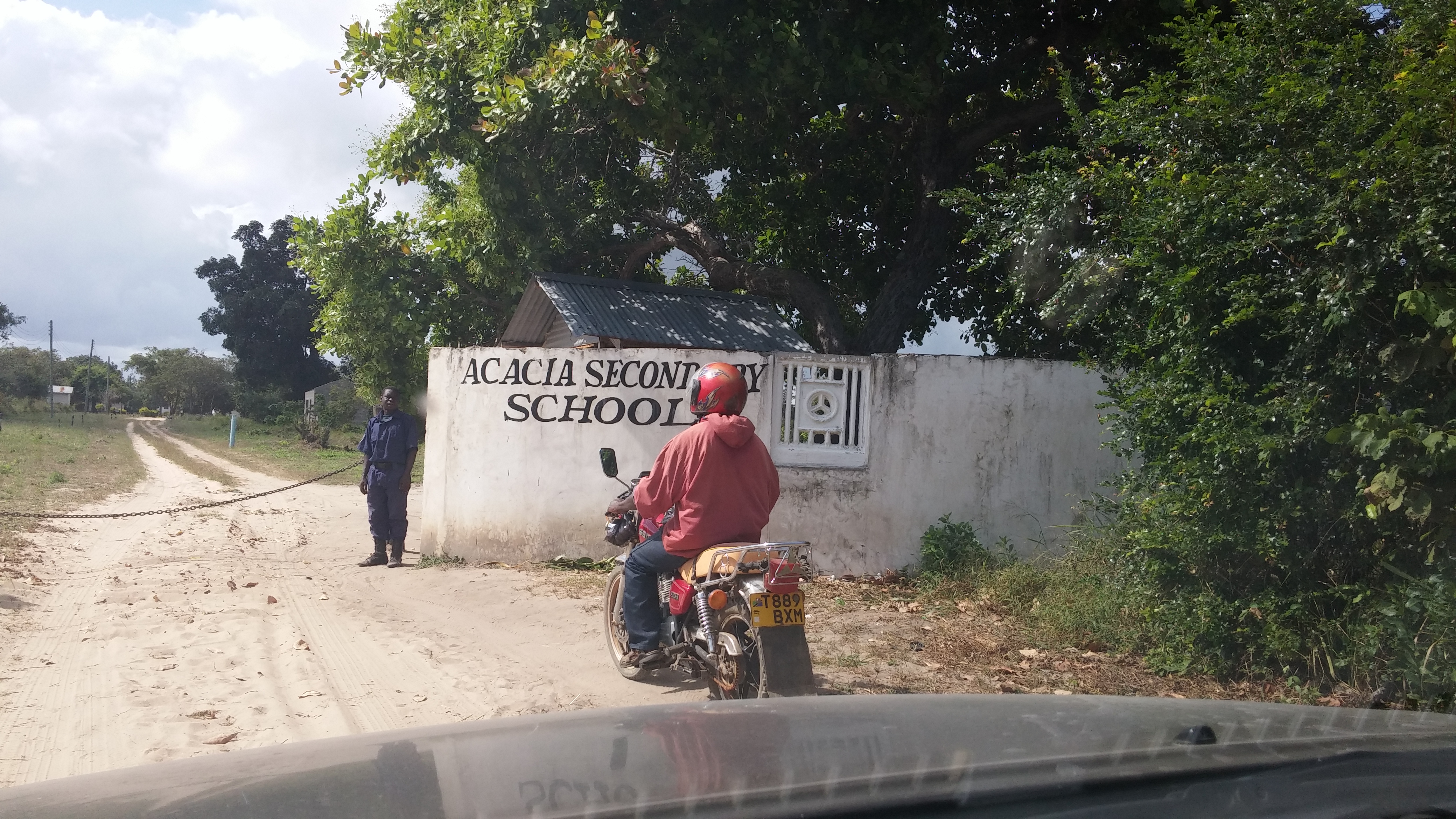
We also visited Acacia Secondary School, 30km from Dar es Salaam. Their school is 8km from the main road, sitting on a beautiful 55 acre piece of land. Before they receive BRCKs from Studi, it was important for us to run some tests to see what the best use case for their students  would be. For internet connectivity, we suggested that in addition to BRCKs, they should get an amplifier and an omnidirectional antenna. We also recommended that they cache content locally on the BRCK, as it has expandable storage capacity, giving the students a better experience than if they were trying to interact with the content online.

Student classes are 8km in from the gate

Acacia School buildings are 8km from this entrance

With many insights gained on how we can support our partners working in remote educational institutions, we continue to be excited about the potential to provide hardware and software tools to enable online and offline learning.

Are you running an educational institution or making education focused investments ? Talk to us – [email protected]

The BRCK at Rhino Charge 2015

Northern Kenya

The Rhino Charge is an annual off-roading competition in Kenya where racers are required to visit a number of checkpoints while traveling the shortest possible distance across difficult, trackless terrain, where speed is not a necessity although you have to complete the race before 5:30pm. You can see some of our coverage from last year and how we helped the Rhino Charge HQ get internet here.

A giraffe in Northern Kenya

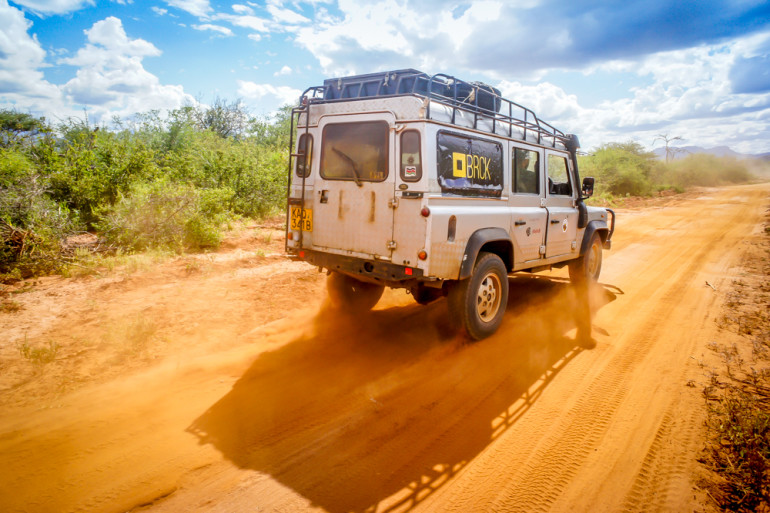
Hitting the road in the BRCK Land Rover

BRCK COO Philip Walton with Peter Ngunyi

Due to the ruggedness and remoteness of the event, the BRCK team sponsors a car and we use this opportunity to go test our connectivity in the wild (plus, it’s just a fun thing to do). This year the event took us north past the equator, 100 miles past Isiolo and 40 miles into the semi-desert region of Kalepo (Namunyak Conservancy) in Samburu, Northern Kenya. The drive there is beautiful but the distance and heat can take a toll on the vehicles. For those who follow our blog, we are sorry to disappoint, there will be no vehicular breakdown drama on this trip. The Landrover performed like a champ partly due to the relentless efforts of Reg to make sure the car was properly serviced and ready for the task.

BRCK CTO Reg Orton at the Rhino Charge 2015

BRCK CTO Reg Orton at the Rhino Charge 2015

The drive into the conservancy is amazing. When we got there we found a very upbeat crowd with everyone looking forward to a great race. There were two ways to connect to the internet, the first and closest to the race headquarters was Liquid Telecom’s satellite backhaul connectivity. They had an impressive show of technology and branding however as is often the case with connectivity at events the system kept getting choked due to the volumes of people trying to get on at the same time. The second provider was a special Safaricom tower 200 meters away from the headquarters that had Edge (2g) connectivity. We drove there and it was very interesting to see how many locals and event staff were huddled under a tree next to the tower surfing the internet.

A mobile phone signal where there wasn't one before

A mobile phone signal where there wasn’t one before

Back at the campsite, the connectivity was even slower and no sooner had we turned on the BRCK did someone shout, “there is a WiFi signal here and it is very strong!” After dinner and around the campfire, we started discussions around the previous year Rhino Charge event, to up the ante, I told everyone that they can use the BRCK to watch the highlights from 2014 race.

We had pre-loaded the BRCK with a number of videos, including last year’s Rhino Charge as well as some other offroad racing videos. Several people jumped on and were amazed at the speed and quality of our remote data offering. One person asked whether the Rhino charge was the toughest race and we were able to watch different videos with the conversation talking about the difference between rhino charge and Superkarpata a European offroad 3 day challenge through a dozen countries.

BRCK vehicle at camp

Rhino Charge 2015

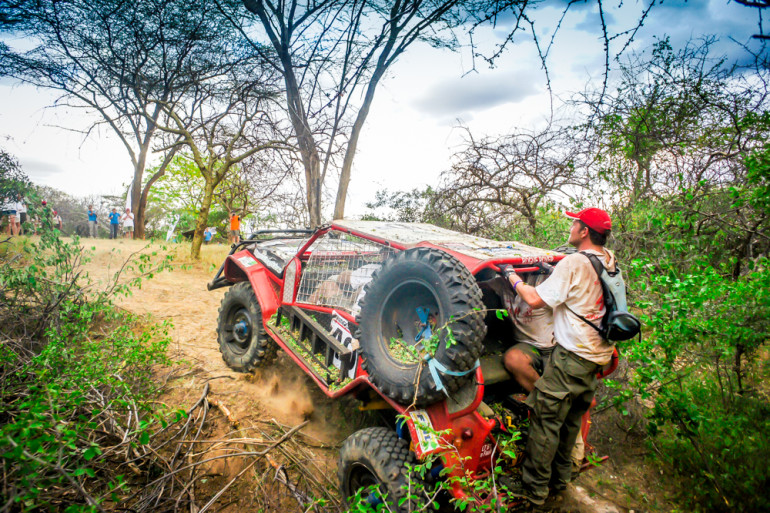
Race day came on Sunday. We were up bright and early to visit the checkpoints as we chased BRCK vehicle (the #18 Range Rover) to provide moral support. Several hours after the race started we made our way to the “gauntlet”, where they put 3 checkpoints close to each other for spectator enjoyment. As we waited for the next car, a bunch of guys asked us why BRCK was here and the connectivity was slow and I run back to our truck and came back with several BRCK devices and the complaining guys were soon glued to their phones streaming content from our WiFi connection. Big win for team BRCK.

Landscape in Northern Kenya

Rhino Charge car with issues

Rhino Charge time!

We soon relocated to the last checkpoint to welcome our truck at the finish line. We had our BRCK out so that we could follow the GPS coordinates of #18 and our connection was much faster than the available options at the checkpoint.

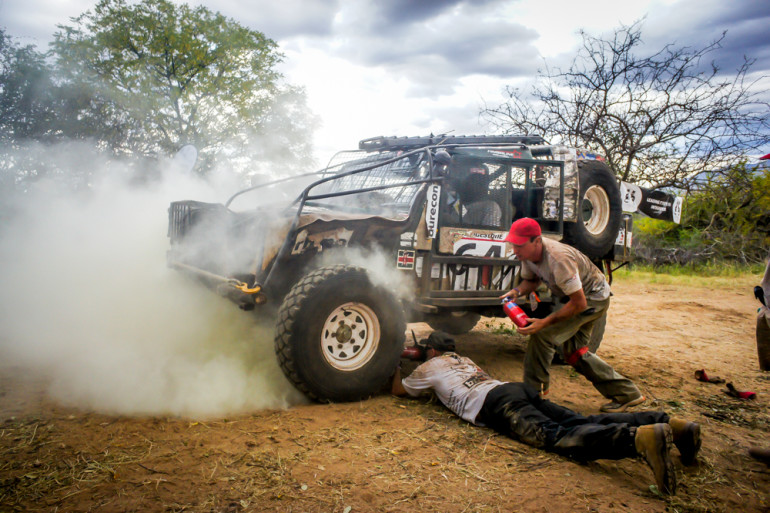
We were soon getting twitter updates of the race progress, other cars on fire, evacuations and finishers. 67 meters to the end of the race, our #18 car which was out of brakes, broken engine mounts, lost wheel nuts, the starter caught on fire, frying the whole electrical system and that was the end of the race.

At the Rhino Charge camp

Rhino Charge car in the bush

To add to the excitement, just as we were getting this news on our car, car #64 finished the race just as the whole bottom end lit up on fire… two bottles of fire extinguishers later, they officially punched in their completion ticket. Crazy times indeed!

It was so nice to see all the competitors leaving it all on the field. I however was aware of the lack of native Kenyan spectators at the event. We should be aware that statistics have proven that conservation of any kind in any continent cannot be achieved by a select segment of the population. I hope that the Rhino Charge does more to get local spectators back to the race next year. See you again in 2016.

Connectivity in Tsavo

Half way between Nairobi and Mombasa are two of Kenya’s largest national parks Tsavo East and Tsavo West.  These parks are known for both their wildlife and also their fairly severe poaching problems.  To counteract this Tsavo West National Park has created a 1002 km sanctuary within the park specifically for protecting rhinos.  It has been quite successful; there has not been a single poaching incident in the sanctuary and it is now reached capacity with about 60 rhinos.  In fact there are plans to create a similar sanctuary in Tsavo East.

Elephant

A shot of just one of the many elephants we saw during the trip.

Currently the rangers who patrol this sanctuary fill out special forms recording everything from the condition of the fence, the location of a carcass to of course the identification and location of rhinos.  The information on these forms is later entered into an electronic database where it can be analyzed as needed.  But there is a delay in both the filling of the forms and the transfer of data and so the information is somewhat unused.

The Linköping University in Sweden has partnered with iHub Consulting and the iHub UX Lab to migrate the forms from paper to a simple app on a ruggedized smart phone.  With this method not only is the information presented almost immediately  on an online map but the time and location is more accurate and even pictures can be included with the data.

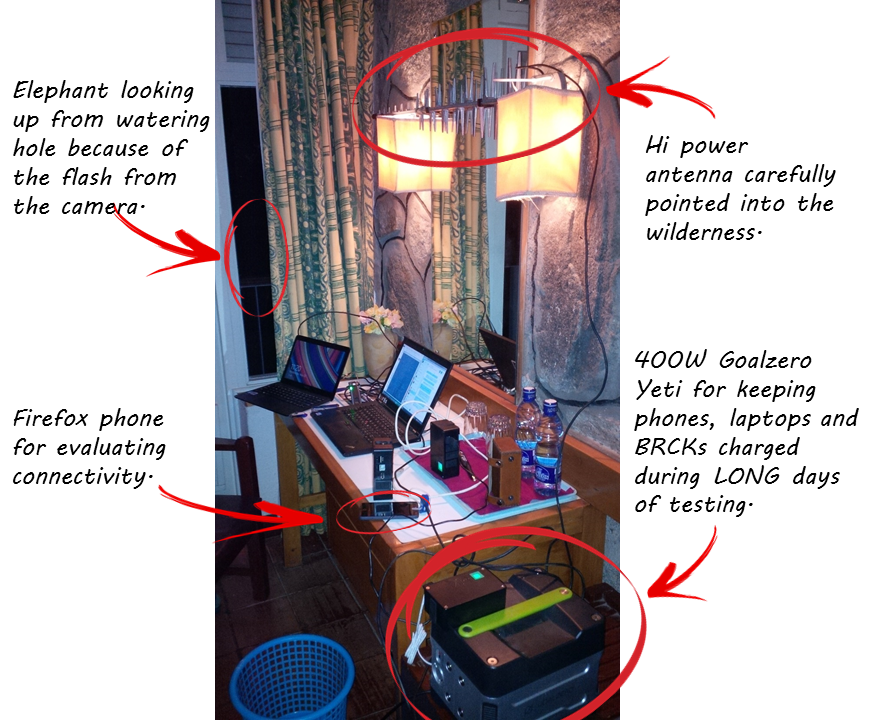
Connectivity in the sanctuary is weak to say the least.  So when the team got wind of BRCK and all that it is capable of they were immediately interested.  The BRCK, with an external antenna, can make use of the weak 2G (Edge) connection that is in the park.  And, as a bonus, the BRCK can charge off raw power from solar panels and then charge the phones from the USB port.

So on Wednesday and Thursday this past week I joined the team as they went out to do some field research.  The main purpose of the trip was to demonstrate the app to the rangers and get some user feedback.  (For example, they immediately pointed out that the pouch for the phones should not use Velcro since it makes too much noise and the rhinos, or other wildlife, may become aware of the ranger.  Just another reason why it is so important we live in the context where our devices will be used.)

Ranger app evaluation.

Getting feedback on the ranger app.

I came along to evaluate the connectivity situation and I must say, it was rather fun.  We had special access to the sanctuary and I sat on root of the Safari truck as we drove around collecting signal strength and connectivity data.  The rugged Tsavo landscape is beautiful and the recent rains meant everything is nice and green.  Although the foliage is thick we still saw some zebra, impala and quite a number of elephants though unfortunately no rhinos.

I am also happy to report that with one of our large antennas I was able to get connectivity throughout the sanctuary.  Most of the time the phones reported absolutely no signal and only the BRCK with antenna was able to provide a connection.   In some places the phones would report that they had found a 2G connection but further testing showed that the testing often did not work or was sporadic at best.  The Edge connection is admittedly slow so the project might have to control the number of simultaneous users but otherwise everything should work well.

BRCK_office

Typical BRCK office-on-the-go.

The plan is to install a BRCK at each of the dozen bases throughout the sanctuary that the rangers use as bases for their patrols.  The BRCKs can then provide connectivity as well as charging capabilities when needed.  Just another great example of how people are using BRCK’s to solve problems in emerging markets.